new

Get trending papers in your email inbox!

Subscribe

Daily Papers

byAK and the research community

Apr 21

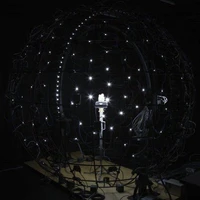
GaussianProperty: Integrating Physical Properties to 3D Gaussians with LMMs

Estimating physical properties for visual data is a crucial task in computer vision, graphics, and robotics, underpinning applications such as augmented reality, physical simulation, and robotic grasping. However, this area remains under-explored due to the inherent ambiguities in physical property estimation. To address these challenges, we introduce GaussianProperty, a training-free framework that assigns physical properties of materials to 3D Gaussians. Specifically, we integrate the segmentation capability of SAM with the recognition capability of GPT-4V(ision) to formulate a global-local physical property reasoning module for 2D images. Then we project the physical properties from multi-view 2D images to 3D Gaussians using a voting strategy. We demonstrate that 3D Gaussians with physical property annotations enable applications in physics-based dynamic simulation and robotic grasping. For physics-based dynamic simulation, we leverage the Material Point Method (MPM) for realistic dynamic simulation. For robot grasping, we develop a grasping force prediction strategy that estimates a safe force range required for object grasping based on the estimated physical properties. Extensive experiments on material segmentation, physics-based dynamic simulation, and robotic grasping validate the effectiveness of our proposed method, highlighting its crucial role in understanding physical properties from visual data. Online demo, code, more cases and annotated datasets are available on https://Gaussian-Property.github.io{this https URL}.

  • 11 authors
·
Dec 15, 2024 2

Physics3D: Learning Physical Properties of 3D Gaussians via Video Diffusion

In recent years, there has been rapid development in 3D generation models, opening up new possibilities for applications such as simulating the dynamic movements of 3D objects and customizing their behaviors. However, current 3D generative models tend to focus only on surface features such as color and shape, neglecting the inherent physical properties that govern the behavior of objects in the real world. To accurately simulate physics-aligned dynamics, it is essential to predict the physical properties of materials and incorporate them into the behavior prediction process. Nonetheless, predicting the diverse materials of real-world objects is still challenging due to the complex nature of their physical attributes. In this paper, we propose Physics3D, a novel method for learning various physical properties of 3D objects through a video diffusion model. Our approach involves designing a highly generalizable physical simulation system based on a viscoelastic material model, which enables us to simulate a wide range of materials with high-fidelity capabilities. Moreover, we distill the physical priors from a video diffusion model that contains more understanding of realistic object materials. Extensive experiments demonstrate the effectiveness of our method with both elastic and plastic materials. Physics3D shows great potential for bridging the gap between the physical world and virtual neural space, providing a better integration and application of realistic physical principles in virtual environments. Project page: https://liuff19.github.io/Physics3D.

  • 6 authors
·
Jun 6, 2024 4

MatterGen: a generative model for inorganic materials design

The design of functional materials with desired properties is essential in driving technological advances in areas like energy storage, catalysis, and carbon capture. Generative models provide a new paradigm for materials design by directly generating entirely novel materials given desired property constraints. Despite recent progress, current generative models have low success rate in proposing stable crystals, or can only satisfy a very limited set of property constraints. Here, we present MatterGen, a model that generates stable, diverse inorganic materials across the periodic table and can further be fine-tuned to steer the generation towards a broad range of property constraints. To enable this, we introduce a new diffusion-based generative process that produces crystalline structures by gradually refining atom types, coordinates, and the periodic lattice. We further introduce adapter modules to enable fine-tuning towards any given property constraints with a labeled dataset. Compared to prior generative models, structures produced by MatterGen are more than twice as likely to be novel and stable, and more than 15 times closer to the local energy minimum. After fine-tuning, MatterGen successfully generates stable, novel materials with desired chemistry, symmetry, as well as mechanical, electronic and magnetic properties. Finally, we demonstrate multi-property materials design capabilities by proposing structures that have both high magnetic density and a chemical composition with low supply-chain risk. We believe that the quality of generated materials and the breadth of MatterGen's capabilities represent a major advancement towards creating a universal generative model for materials design.

  • 21 authors
·
Dec 6, 2023

Cybloids - Creation and Control of Cybernetic Colloids

Colloids play an important role in fundamental science as well as in nature and technology. They have had a strong impact on the fundamental understanding of statistical physics. For example, colloids have helped to obtain a better understanding of collective phenomena, ranging from phase transitions and glass formation to the swarming of active Brownian particles. Yet the success of colloidal systems hinges crucially on the specific physical and chemical properties of the colloidal particles, i.e. particles with the appropriate characteristics must be available. Here we present an idea to create particles with freely selectable properties. The properties might depend, for example, on the presence of other particles (hence mimicking specific pair or many-body interactions), previous configurations (hence introducing some memory or feedback), or a directional bias (hence changing the dynamics). Without directly interfering with the sample, each particle is fully controlled and can receive external commands through a predefined algorithm that can take into account any input parameters. This is realized with computer-controlled colloids, which we term cybloids - short for cybernetic colloids. The potential of cybloids is illustrated by programming a time-delayed external potential acting on a single colloid and interaction potentials for many colloids. Both an attractive harmonic potential and an annular potential are implemented. For a single particle, this programming can cause subdiffusive behavior or lend activity. For many colloids, the programmed interaction potential allows to select a crystal structure at wish. Beyond these examples, we discuss further opportunities which cybloids offer.

  • 4 authors
·
Aug 1, 2024

Random Grid Neural Processes for Parametric Partial Differential Equations

We introduce a new class of spatially stochastic physics and data informed deep latent models for parametric partial differential equations (PDEs) which operate through scalable variational neural processes. We achieve this by assigning probability measures to the spatial domain, which allows us to treat collocation grids probabilistically as random variables to be marginalised out. Adapting this spatial statistics view, we solve forward and inverse problems for parametric PDEs in a way that leads to the construction of Gaussian process models of solution fields. The implementation of these random grids poses a unique set of challenges for inverse physics informed deep learning frameworks and we propose a new architecture called Grid Invariant Convolutional Networks (GICNets) to overcome these challenges. We further show how to incorporate noisy data in a principled manner into our physics informed model to improve predictions for problems where data may be available but whose measurement location does not coincide with any fixed mesh or grid. The proposed method is tested on a nonlinear Poisson problem, Burgers equation, and Navier-Stokes equations, and we provide extensive numerical comparisons. We demonstrate significant computational advantages over current physics informed neural learning methods for parametric PDEs while improving the predictive capabilities and flexibility of these models.

  • 6 authors
·
Jan 26, 2023

Efficient Estimation of Material Property Curves and Surfaces via Active Learning

The relationship between material properties and independent variables such as temperature, external field or time, is usually represented by a curve or surface in a multi-dimensional space. Determining such a curve or surface requires a series of experiments or calculations which are often time and cost consuming. A general strategy uses an appropriate utility function to sample the space to recommend the next optimal experiment or calculation within an active learning loop. However, knowing what the optimal sampling strategy to use to minimize the number of experiments is an outstanding problem. We compare a number of strategies based on directed exploration on several materials problems of varying complexity using a Kriging based model. These include one dimensional curves such as the fatigue life curve for 304L stainless steel and the Liquidus line of the Fe-C phase diagram, surfaces such as the Hartmann 3 function in 3D space and the fitted intermolecular potential for Ar-SH, and a four dimensional data set of experimental measurements for BaTiO3 based ceramics. We also consider the effects of experimental noise on the Hartmann 3 function. We find that directed exploration guided by maximum variance provides better performance overall, converging faster across several data sets. However, for certain problems, the trade-off methods incorporating exploitation can perform at least as well, if not better than maximum variance. Thus, we discuss how the choice of the utility function depends on the distribution of the data, the model performance and uncertainties, additive noise as well as the budget.

  • 7 authors
·
Oct 14, 2020

Phantom: Physics-Infused Video Generation via Joint Modeling of Visual and Latent Physical Dynamics

Recent advances in generative video modeling, driven by large-scale datasets and powerful architectures, have yielded remarkable visual realism. However, emerging evidence suggests that simply scaling data and model size does not endow these systems with an understanding of the underlying physical laws that govern real-world dynamics. Existing approaches often fail to capture or enforce such physical consistency, resulting in unrealistic motion and dynamics. In his work, we investigate whether integrating the inference of latent physical properties directly into the video generation process can equip models with the ability to produce physically plausible videos. To this end, we propose Phantom, a Physics-Infused Video Generation model that jointly models the visual content and latent physical dynamics. Conditioned on observed video frames and inferred physical states, Phantom jointly predicts latent physical dynamics and generates future video frames. Phantom leverages a physics-aware video representation that serves as an abstract yet informaive embedding of the underlying physics, facilitating the joint prediction of physical dynamics alongside video content without requiring an explicit specification of a complex set of physical dynamics and properties. By integrating the inference of physical-aware video representation directly into the video generation process, Phantom produces video sequences that are both visually realistic and physically consistent. Quantitative and qualitative results on both standard video generation and physics-aware benchmarks demonstrate that Phantom not only outperforms existing methods in terms of adherence to physical dynamics but also delivers competitive perceptual fidelity.

OmniPhysGS: 3D Constitutive Gaussians for General Physics-Based Dynamics Generation

Recently, significant advancements have been made in the reconstruction and generation of 3D assets, including static cases and those with physical interactions. To recover the physical properties of 3D assets, existing methods typically assume that all materials belong to a specific predefined category (e.g., elasticity). However, such assumptions ignore the complex composition of multiple heterogeneous objects in real scenarios and tend to render less physically plausible animation given a wider range of objects. We propose OmniPhysGS for synthesizing a physics-based 3D dynamic scene composed of more general objects. A key design of OmniPhysGS is treating each 3D asset as a collection of constitutive 3D Gaussians. For each Gaussian, its physical material is represented by an ensemble of 12 physical domain-expert sub-models (rubber, metal, honey, water, etc.), which greatly enhances the flexibility of the proposed model. In the implementation, we define a scene by user-specified prompts and supervise the estimation of material weighting factors via a pretrained video diffusion model. Comprehensive experiments demonstrate that OmniPhysGS achieves more general and realistic physical dynamics across a broader spectrum of materials, including elastic, viscoelastic, plastic, and fluid substances, as well as interactions between different materials. Our method surpasses existing methods by approximately 3% to 16% in metrics of visual quality and text alignment.

  • 4 authors
·
Jan 31, 2025

WISA: World Simulator Assistant for Physics-Aware Text-to-Video Generation

Recent rapid advancements in text-to-video (T2V) generation, such as SoRA and Kling, have shown great potential for building world simulators. However, current T2V models struggle to grasp abstract physical principles and generate videos that adhere to physical laws. This challenge arises primarily from a lack of clear guidance on physical information due to a significant gap between abstract physical principles and generation models. To this end, we introduce the World Simulator Assistant (WISA), an effective framework for decomposing and incorporating physical principles into T2V models. Specifically, WISA decomposes physical principles into textual physical descriptions, qualitative physical categories, and quantitative physical properties. To effectively embed these physical attributes into the generation process, WISA incorporates several key designs, including Mixture-of-Physical-Experts Attention (MoPA) and a Physical Classifier, enhancing the model's physics awareness. Furthermore, most existing datasets feature videos where physical phenomena are either weakly represented or entangled with multiple co-occurring processes, limiting their suitability as dedicated resources for learning explicit physical principles. We propose a novel video dataset, WISA-32K, collected based on qualitative physical categories. It consists of 32,000 videos, representing 17 physical laws across three domains of physics: dynamics, thermodynamics, and optics. Experimental results demonstrate that WISA can effectively enhance the compatibility of T2V models with real-world physical laws, achieving a considerable improvement on the VideoPhy benchmark. The visual exhibitions of WISA and WISA-32K are available in the https://360cvgroup.github.io/WISA/.

  • 12 authors
·
Mar 11, 2025 2

Measuring Primitive Accumulation: An Information-Theoretic Approach to Capitalist Enclosure in PIK2, Indonesia

Large-scale land enclosure for speculative mega-development constitutes a non-equilibrium spatial process whose velocity, topology, and irreversibility remain poorly quantified. We study the Pantai Indah Kapuk 2 (PIK2) coastal mega-development north of Jakarta, Indonesia, using eight years (2017--2024) of Sentinel-2 land-use/land-cover (LULC) data at 10-meter resolution. The landscape is projected onto a Marxian probability simplex partitioning terrestrial pixels into Commons, Agrarian, and Capital fractions. Fisher-Rao (FR) geodesic distances on this simplex identify a transformation pulse of 0.405~rad/yr during 2019--2020, coinciding with major construction activity. Absorbing Markov chain analysis yields expected absorption times into the built environment of 46.0~years for cropland and 38.1~years for tree cover, with a pooled built-area self-retention rate of 96.4%. Percolation analysis reveals that a giant connected component containing 89--95% of all built pixels persists at occupation probabilities p in [0.096, 0.162], far below the random percolation threshold p_c approx 0.593, indicating planned rather than stochastic spatial growth. The box-counting fractal dimension of the urban boundary increases from d_f = 1.316 to 1.397, consistent with increasingly irregular frontier expansion. These results suggest that information-geometric and statistical-mechanical tools can characterize the kinematic and topological signatures of capitalist spatial accumulation with quantitative precision.

ProPhy: Progressive Physical Alignment for Dynamic World Simulation

Recent advances in video generation have shown remarkable potential for constructing world simulators. However, current models still struggle to produce physically consistent results, particularly when handling large-scale or complex dynamics. This limitation arises primarily because existing approaches respond isotropically to physical prompts and neglect the fine-grained alignment between generated content and localized physical cues. To address these challenges, we propose ProPhy, a Progressive Physical Alignment Framework that enables explicit physics-aware conditioning and anisotropic generation. ProPhy employs a two-stage Mixture-of-Physics-Experts (MoPE) mechanism for discriminative physical prior extraction, where Semantic Experts infer semantic-level physical principles from textual descriptions, and Refinement Experts capture token-level physical dynamics. This mechanism allows the model to learn fine-grained, physics-aware video representations that better reflect underlying physical laws. Furthermore, we introduce a physical alignment strategy that transfers the physical reasoning capabilities of vision-language models (VLMs) into the Refinement Experts, facilitating a more accurate representation of dynamic physical phenomena. Extensive experiments on physics-aware video generation benchmarks demonstrate that ProPhy produces more realistic, dynamic, and physically coherent results than existing state-of-the-art methods.

  • 10 authors
·
Dec 5, 2025 2

Geometric Trajectory Diffusion Models

Generative models have shown great promise in generating 3D geometric systems, which is a fundamental problem in many natural science domains such as molecule and protein design. However, existing approaches only operate on static structures, neglecting the fact that physical systems are always dynamic in nature. In this work, we propose geometric trajectory diffusion models (GeoTDM), the first diffusion model for modeling the temporal distribution of 3D geometric trajectories. Modeling such distribution is challenging as it requires capturing both the complex spatial interactions with physical symmetries and temporal correspondence encapsulated in the dynamics. We theoretically justify that diffusion models with equivariant temporal kernels can lead to density with desired symmetry, and develop a novel transition kernel leveraging SE(3)-equivariant spatial convolution and temporal attention. Furthermore, to induce an expressive trajectory distribution for conditional generation, we introduce a generalized learnable geometric prior into the forward diffusion process to enhance temporal conditioning. We conduct extensive experiments on both unconditional and conditional generation in various scenarios, including physical simulation, molecular dynamics, and pedestrian motion. Empirical results on a wide suite of metrics demonstrate that GeoTDM can generate realistic geometric trajectories with significantly higher quality.

  • 5 authors
·
Oct 16, 2024

PFGM++: Unlocking the Potential of Physics-Inspired Generative Models

We introduce a new family of physics-inspired generative models termed PFGM++ that unifies diffusion models and Poisson Flow Generative Models (PFGM). These models realize generative trajectories for N dimensional data by embedding paths in N{+}D dimensional space while still controlling the progression with a simple scalar norm of the D additional variables. The new models reduce to PFGM when D{=}1 and to diffusion models when D{to}infty. The flexibility of choosing D allows us to trade off robustness against rigidity as increasing D results in more concentrated coupling between the data and the additional variable norms. We dispense with the biased large batch field targets used in PFGM and instead provide an unbiased perturbation-based objective similar to diffusion models. To explore different choices of D, we provide a direct alignment method for transferring well-tuned hyperparameters from diffusion models (D{to} infty) to any finite D values. Our experiments show that models with finite D can be superior to previous state-of-the-art diffusion models on CIFAR-10/FFHQ 64{times}64 datasets, with FID scores of 1.91/2.43 when D{=}2048/128. In class-conditional setting, D{=}2048 yields current state-of-the-art FID of 1.74 on CIFAR-10. In addition, we demonstrate that models with smaller D exhibit improved robustness against modeling errors. Code is available at https://github.com/Newbeeer/pfgmpp

  • 6 authors
·
Feb 8, 2023

Multi-property directed generative design of inorganic materials through Wyckoff-augmented transfer learning

Accelerated materials discovery is an urgent demand to drive advancements in fields such as energy conversion, storage, and catalysis. Property-directed generative design has emerged as a transformative approach for rapidly discovering new functional inorganic materials with multiple desired properties within vast and complex search spaces. However, this approach faces two primary challenges: data scarcity for functional properties and the multi-objective optimization required to balance competing tasks. Here, we present a multi-property-directed generative framework designed to overcome these limitations and enhance site symmetry-compliant crystal generation beyond P1 (translational) symmetry. By incorporating Wyckoff-position-based data augmentation and transfer learning, our framework effectively handles sparse and small functional datasets, enabling the generation of new stable materials simultaneously conditioned on targeted space group, band gap, and formation energy. Using this approach, we identified previously unknown thermodynamically and lattice-dynamically stable semiconductors in tetragonal, trigonal, and cubic systems, with bandgaps ranging from 0.13 to 2.20 eV, as validated by density functional theory (DFT) calculations. Additionally, we assessed their thermoelectric descriptors using DFT, indicating their potential suitability for thermoelectric applications. We believe our integrated framework represents a significant step forward in generative design of inorganic materials.

  • 6 authors
·
Mar 20, 2025

Physics-Informed Machine Learning: A Survey on Problems, Methods and Applications

Recent advances of data-driven machine learning have revolutionized fields like computer vision, reinforcement learning, and many scientific and engineering domains. In many real-world and scientific problems, systems that generate data are governed by physical laws. Recent work shows that it provides potential benefits for machine learning models by incorporating the physical prior and collected data, which makes the intersection of machine learning and physics become a prevailing paradigm. By integrating the data and mathematical physics models seamlessly, it can guide the machine learning model towards solutions that are physically plausible, improving accuracy and efficiency even in uncertain and high-dimensional contexts. In this survey, we present this learning paradigm called Physics-Informed Machine Learning (PIML) which is to build a model that leverages empirical data and available physical prior knowledge to improve performance on a set of tasks that involve a physical mechanism. We systematically review the recent development of physics-informed machine learning from three perspectives of machine learning tasks, representation of physical prior, and methods for incorporating physical prior. We also propose several important open research problems based on the current trends in the field. We argue that encoding different forms of physical prior into model architectures, optimizers, inference algorithms, and significant domain-specific applications like inverse engineering design and robotic control is far from being fully explored in the field of physics-informed machine learning. We believe that the interdisciplinary research of physics-informed machine learning will significantly propel research progress, foster the creation of more effective machine learning models, and also offer invaluable assistance in addressing long-standing problems in related disciplines.

  • 7 authors
·
Nov 15, 2022

Information Theory and Statistical Mechanics Revisited

The statistical mechanics of Gibbs is a juxtaposition of subjective, probabilistic ideas on the one hand and objective, mechanical ideas on the other. In this paper, we follow the path set out by Jaynes, including elements added subsequently to that original work, to explore the consequences of the purely statistical point of view. We show how standard methods in the equilibrium theory could have been derived simply from a description of the available problem information. In addition, our presentation leads to novel insights into questions associated with symmetry and non-equilibrium statistical mechanics. Two surprising consequences to be explored in further work are that (in)distinguishability factors are automatically predicted from the problem formulation and that a quantity related to the thermodynamic entropy production is found by considering information loss in non-equilibrium processes. Using the problem of ion channel thermodynamics as an example, we illustrate the idea of building up complexity by successively adding information to create progressively more complex descriptions of a physical system. Our result is that such statistical mechanical descriptions can be used to create transparent, computable, experimentally-relevant models that may be informed by more detailed atomistic simulations. We also derive a theory for the kinetic behavior of this system, identifying the nonequilibrium `process' free energy functional. The Gibbs relation for this functional is a fluctuation-dissipation theorem applicable arbitrarily far from equilibrium, that captures the effect of non-local and time-dependent behavior from transient driving forces. Based on this work, it is clear that statistical mechanics is a general tool for constructing the relationships between constraints on system information.

  • 3 authors
·
May 27, 2011

3D Copy-Paste: Physically Plausible Object Insertion for Monocular 3D Detection

A major challenge in monocular 3D object detection is the limited diversity and quantity of objects in real datasets. While augmenting real scenes with virtual objects holds promise to improve both the diversity and quantity of the objects, it remains elusive due to the lack of an effective 3D object insertion method in complex real captured scenes. In this work, we study augmenting complex real indoor scenes with virtual objects for monocular 3D object detection. The main challenge is to automatically identify plausible physical properties for virtual assets (e.g., locations, appearances, sizes, etc.) in cluttered real scenes. To address this challenge, we propose a physically plausible indoor 3D object insertion approach to automatically copy virtual objects and paste them into real scenes. The resulting objects in scenes have 3D bounding boxes with plausible physical locations and appearances. In particular, our method first identifies physically feasible locations and poses for the inserted objects to prevent collisions with the existing room layout. Subsequently, it estimates spatially-varying illumination for the insertion location, enabling the immersive blending of the virtual objects into the original scene with plausible appearances and cast shadows. We show that our augmentation method significantly improves existing monocular 3D object models and achieves state-of-the-art performance. For the first time, we demonstrate that a physically plausible 3D object insertion, serving as a generative data augmentation technique, can lead to significant improvements for discriminative downstream tasks such as monocular 3D object detection. Project website: https://gyhandy.github.io/3D-Copy-Paste/

  • 8 authors
·
Dec 8, 2023

Physics Steering: Causal Control of Cross-Domain Concepts in a Physics Foundation Model

Recent advances in mechanistic interpretability have revealed that large language models (LLMs) develop internal representations corresponding not only to concrete entities but also distinct, human-understandable abstract concepts and behaviour. Moreover, these hidden features can be directly manipulated to steer model behaviour. However, it remains an open question whether this phenomenon is unique to models trained on inherently structured data (ie. language, images) or if it is a general property of foundation models. In this work, we investigate the internal representations of a large physics-focused foundation model. Inspired by recent work identifying single directions in activation space for complex behaviours in LLMs, we extract activation vectors from the model during forward passes over simulation datasets for different physical regimes. We then compute "delta" representations between the two regimes. These delta tensors act as concept directions in activation space, encoding specific physical features. By injecting these concept directions back into the model during inference, we can steer its predictions, demonstrating causal control over physical behaviours, such as inducing or removing some particular physical feature from a simulation. These results suggest that scientific foundation models learn generalised representations of physical principles. They do not merely rely on superficial correlations and patterns in the simulations. Our findings open new avenues for understanding and controlling scientific foundation models and has implications for AI-enabled scientific discovery.

  • 5 authors
·
Nov 25, 2025

PhysX: Physical-Grounded 3D Asset Generation

3D modeling is moving from virtual to physical. Existing 3D generation primarily emphasizes geometries and textures while neglecting physical-grounded modeling. Consequently, despite the rapid development of 3D generative models, the synthesized 3D assets often overlook rich and important physical properties, hampering their real-world application in physical domains like simulation and embodied AI. As an initial attempt to address this challenge, we propose PhysX, an end-to-end paradigm for physical-grounded 3D asset generation. 1) To bridge the critical gap in physics-annotated 3D datasets, we present PhysXNet - the first physics-grounded 3D dataset systematically annotated across five foundational dimensions: absolute scale, material, affordance, kinematics, and function description. In particular, we devise a scalable human-in-the-loop annotation pipeline based on vision-language models, which enables efficient creation of physics-first assets from raw 3D assets.2) Furthermore, we propose PhysXGen, a feed-forward framework for physics-grounded image-to-3D asset generation, injecting physical knowledge into the pre-trained 3D structural space. Specifically, PhysXGen employs a dual-branch architecture to explicitly model the latent correlations between 3D structures and physical properties, thereby producing 3D assets with plausible physical predictions while preserving the native geometry quality. Extensive experiments validate the superior performance and promising generalization capability of our framework. All the code, data, and models will be released to facilitate future research in generative physical AI.

  • 4 authors
·
Jul 16, 2025 1

Generative Inverse Design of Metamaterials with Functional Responses by Interpretable Learning

Metamaterials with functional responses can exhibit varying properties under different conditions (e.g., wave-based responses or deformation-induced property variation). This work addresses the rapid inverse design of such metamaterials to meet target qualitative functional behaviors, a challenge due to its intractability and non-unique solutions. Unlike data-intensive and non-interpretable deep-learning-based methods, we propose the Random-forest-based Interpretable Generative Inverse Design (RIGID), a single-shot inverse design method for fast generation of metamaterial designs with on-demand functional behaviors. RIGID leverages the interpretability of a random forest-based "designrightarrowresponse" forward model, eliminating the need for a more complex "responserightarrowdesign" inverse model. Based on the likelihood of target satisfaction derived from the trained random forest, one can sample a desired number of design solutions using Markov chain Monte Carlo methods. We validate RIGID on acoustic and optical metamaterial design problems, each with fewer than 250 training samples. Compared to the genetic algorithm-based design generation approach, RIGID generates satisfactory solutions that cover a broader range of the design space, allowing for better consideration of additional figures of merit beyond target satisfaction. This work offers a new perspective on solving on-demand inverse design problems, showcasing the potential for incorporating interpretable machine learning into generative design under small data constraints.

  • 5 authors
·
Dec 7, 2023

MatSpray: Fusing 2D Material World Knowledge on 3D Geometry

Manual modeling of material parameters and 3D geometry is a time consuming yet essential task in the gaming and film industries. While recent advances in 3D reconstruction have enabled accurate approximations of scene geometry and appearance, these methods often fall short in relighting scenarios due to the lack of precise, spatially varying material parameters. At the same time, diffusion models operating on 2D images have shown strong performance in predicting physically based rendering (PBR) properties such as albedo, roughness, and metallicity. However, transferring these 2D material maps onto reconstructed 3D geometry remains a significant challenge. We propose a framework for fusing 2D material data into 3D geometry using a combination of novel learning-based and projection-based approaches. We begin by reconstructing scene geometry via Gaussian Splatting. From the input images, a diffusion model generates 2D maps for albedo, roughness, and metallic parameters. Any existing diffusion model that can convert images or videos to PBR materials can be applied. The predictions are further integrated into the 3D representation either by optimizing an image-based loss or by directly projecting the material parameters onto the Gaussians using Gaussian ray tracing. To enhance fine-scale accuracy and multi-view consistency, we further introduce a light-weight neural refinement step (Neural Merger), which takes ray-traced material features as input and produces detailed adjustments. Our results demonstrate that the proposed methods outperform existing techniques in both quantitative metrics and perceived visual realism. This enables more accurate, relightable, and photorealistic renderings from reconstructed scenes, significantly improving the realism and efficiency of asset creation workflows in content production pipelines.

CGTuebingen CG Tübingen
·
Dec 20, 2025 2

Evaluating Uncertainty Quantification approaches for Neural PDEs in scientific applications

The accessibility of spatially distributed data, enabled by affordable sensors, field, and numerical experiments, has facilitated the development of data-driven solutions for scientific problems, including climate change, weather prediction, and urban planning. Neural Partial Differential Equations (Neural PDEs), which combine deep learning (DL) techniques with domain expertise (e.g., governing equations) for parameterization, have proven to be effective in capturing valuable correlations within spatiotemporal datasets. However, sparse and noisy measurements coupled with modeling approximation introduce aleatoric and epistemic uncertainties. Therefore, quantifying uncertainties propagated from model inputs to outputs remains a challenge and an essential goal for establishing the trustworthiness of Neural PDEs. This work evaluates various Uncertainty Quantification (UQ) approaches for both Forward and Inverse Problems in scientific applications. Specifically, we investigate the effectiveness of Bayesian methods, such as Hamiltonian Monte Carlo (HMC) and Monte-Carlo Dropout (MCD), and a more conventional approach, Deep Ensembles (DE). To illustrate their performance, we take two canonical PDEs: Burger's equation and the Navier-Stokes equation. Our results indicate that Neural PDEs can effectively reconstruct flow systems and predict the associated unknown parameters. However, it is noteworthy that the results derived from Bayesian methods, based on our observations, tend to display a higher degree of certainty in their predictions as compared to those obtained using the DE. This elevated certainty in predictions suggests that Bayesian techniques might underestimate the true underlying uncertainty, thereby appearing more confident in their predictions than the DE approach.

Living Capillary Bridges

Biological tissues exhibit complex behaviors with their dynamics often resembling inert soft matter such as liquids, polymers, colloids, and liquid crystals. These analogies enable physics-based approaches for investigations of emergent behaviors in biological processes. A well-studied case is the spreading of cellular aggregates on solid surfaces, where they display dynamics similar to viscous droplets. In vivo, however, cells and tissues are in a confined environment with varying geometries and mechanical properties to which they need to adapt. In this work, we compressed cellular aggregates between two solid surfaces and studied their dynamics using microscopy, and computer simulations. The confined cellular aggregates transitioned from compressed spheres into dynamic living capillary bridges exhibiting bridge thinning and a convex-to-concave meniscus curvature transition. We found that the stability of the bridge is determined by the interplay between cell growth and cell spreading on the confining surfaces. This interaction leads to bridge rupture at a critical length scale determined by the distance between the plates. The force distributions, formation and stability regimes of the living capillary bridges were characterized with full 3D computer simulations that included cell division, migration and growth dynamics, directly showing how mechanical principles govern the behavior of the living bridges; cellular aggregates display jamming and stiffening analogously to granular matter, and cell division along the long axis enhances thinning. Based on our results, we propose a new class of active soft matter behavior, where cellular aggregates exhibit liquid-like adaptation to confinement, but with self-organized rupturing driven by biological activity.

  • 8 authors
·
Oct 16, 2025

MMGP: a Mesh Morphing Gaussian Process-based machine learning method for regression of physical problems under non-parameterized geometrical variability

When learning simulations for modeling physical phenomena in industrial designs, geometrical variabilities are of prime interest. While classical regression techniques prove effective for parameterized geometries, practical scenarios often involve the absence of shape parametrization during the inference stage, leaving us with only mesh discretizations as available data. Learning simulations from such mesh-based representations poses significant challenges, with recent advances relying heavily on deep graph neural networks to overcome the limitations of conventional machine learning approaches. Despite their promising results, graph neural networks exhibit certain drawbacks, including their dependency on extensive datasets and limitations in providing built-in predictive uncertainties or handling large meshes. In this work, we propose a machine learning method that do not rely on graph neural networks. Complex geometrical shapes and variations with fixed topology are dealt with using well-known mesh morphing onto a common support, combined with classical dimensionality reduction techniques and Gaussian processes. The proposed methodology can easily deal with large meshes without the need for explicit shape parameterization and provides crucial predictive uncertainties, which are essential for informed decision-making. In the considered numerical experiments, the proposed method is competitive with respect to existing graph neural networks, regarding training efficiency and accuracy of the predictions.

  • 3 authors
·
May 22, 2023

Particle-Grid Neural Dynamics for Learning Deformable Object Models from RGB-D Videos

Modeling the dynamics of deformable objects is challenging due to their diverse physical properties and the difficulty of estimating states from limited visual information. We address these challenges with a neural dynamics framework that combines object particles and spatial grids in a hybrid representation. Our particle-grid model captures global shape and motion information while predicting dense particle movements, enabling the modeling of objects with varied shapes and materials. Particles represent object shapes, while the spatial grid discretizes the 3D space to ensure spatial continuity and enhance learning efficiency. Coupled with Gaussian Splattings for visual rendering, our framework achieves a fully learning-based digital twin of deformable objects and generates 3D action-conditioned videos. Through experiments, we demonstrate that our model learns the dynamics of diverse objects -- such as ropes, cloths, stuffed animals, and paper bags -- from sparse-view RGB-D recordings of robot-object interactions, while also generalizing at the category level to unseen instances. Our approach outperforms state-of-the-art learning-based and physics-based simulators, particularly in scenarios with limited camera views. Furthermore, we showcase the utility of our learned models in model-based planning, enabling goal-conditioned object manipulation across a range of tasks. The project page is available at https://kywind.github.io/pgnd .

  • 4 authors
·
Jun 18, 2025

PhysGaia: A Physics-Aware Benchmark with Multi-Body Interactions for Dynamic Novel View Synthesis

We introduce PhysGaia, a novel physics-aware benchmark for Dynamic Novel View Synthesis (DyNVS) that encompasses both structured objects and unstructured physical phenomena. While existing datasets primarily focus on photorealistic appearance, PhysGaia is specifically designed to support physics-consistent dynamic reconstruction. Our benchmark features complex scenarios with rich multi-body interactions, where objects realistically collide and exchange forces. Furthermore, it incorporates a diverse range of materials, including liquid, gas, textile, and rheological substance, moving beyond the rigid-body assumptions prevalent in prior work. To ensure physical fidelity, all scenes in PhysGaia are generated using material-specific physics solvers that strictly adhere to fundamental physical laws. We provide comprehensive ground-truth information, including 3D particle trajectories and physical parameters (e.g., viscosity), enabling the quantitative evaluation of physical modeling. To facilitate research adoption, we also provide integration pipelines for recent 4D Gaussian Splatting models along with our dataset and their results. By addressing the critical shortage of physics-aware benchmarks, PhysGaia can significantly advance research in dynamic view synthesis, physics-based scene understanding, and the integration of deep learning with physical simulation, ultimately enabling more faithful reconstruction and interpretation of complex dynamic scenes.

  • 5 authors
·
Apr 5

Reconstruction of three-dimensional porous media using generative adversarial neural networks

To evaluate the variability of multi-phase flow properties of porous media at the pore scale, it is necessary to acquire a number of representative samples of the void-solid structure. While modern x-ray computer tomography has made it possible to extract three-dimensional images of the pore space, assessment of the variability in the inherent material properties is often experimentally not feasible. We present a novel method to reconstruct the solid-void structure of porous media by applying a generative neural network that allows an implicit description of the probability distribution represented by three-dimensional image datasets. We show, by using an adversarial learning approach for neural networks, that this method of unsupervised learning is able to generate representative samples of porous media that honor their statistics. We successfully compare measures of pore morphology, such as the Euler characteristic, two-point statistics and directional single-phase permeability of synthetic realizations with the calculated properties of a bead pack, Berea sandstone, and Ketton limestone. Results show that GANs can be used to reconstruct high-resolution three-dimensional images of porous media at different scales that are representative of the morphology of the images used to train the neural network. The fully convolutional nature of the trained neural network allows the generation of large samples while maintaining computational efficiency. Compared to classical stochastic methods of image reconstruction, the implicit representation of the learned data distribution can be stored and reused to generate multiple realizations of the pore structure very rapidly.

  • 3 authors
·
Apr 11, 2017

Towards Physically Plausible Video Generation via VLM Planning

Video diffusion models (VDMs) have advanced significantly in recent years, enabling the generation of highly realistic videos and drawing the attention of the community in their potential as world simulators. However, despite their capabilities, VDMs often fail to produce physically plausible videos due to an inherent lack of understanding of physics, resulting in incorrect dynamics and event sequences. To address this limitation, we propose a novel two-stage image-to-video generation framework that explicitly incorporates physics. In the first stage, we employ a Vision Language Model (VLM) as a coarse-grained motion planner, integrating chain-of-thought and physics-aware reasoning to predict a rough motion trajectories/changes that approximate real-world physical dynamics while ensuring the inter-frame consistency. In the second stage, we use the predicted motion trajectories/changes to guide the video generation of a VDM. As the predicted motion trajectories/changes are rough, noise is added during inference to provide freedom to the VDM in generating motion with more fine details. Extensive experimental results demonstrate that our framework can produce physically plausible motion, and comparative evaluations highlight the notable superiority of our approach over existing methods. More video results are available on our Project Page: https://madaoer.github.io/projects/physically_plausible_video_generation.

  • 11 authors
·
Mar 30, 2025 3

On the statistical theory of self-gravitating collisionless dark matter flow: Scale and redshift variation of velocity and density distributions

This paper studies the scale and redshift variation of density and velocity distributions in self-gravitating collisionless dark matter flow by a halo-based non-projection approach. All particles are divided into halo and out-of-halo particles for redshift variation of distributions. Without projecting particle fields onto a structured grid, the scale variation is analyzed by identifying all particle pairs on different scales r. We demonstrate that: i) Delaunay tessellation can be used to reconstruct the density field. The density correlation, spectrum, and dispersion functions were obtained, modeled, and compared with the N-body simulation; ii) the velocity distributions are symmetric on both small and large scales and are non-symmetric with a negative skewness on intermediate scales due to the inverse energy cascade at a constant rate varepsilon_u; iii) On small scales, the even order moments of pairwise velocity Delta u_L follow a two-thirds law (-varepsilon_ur)^{2/3}, while the odd order moments follow a linear scaling langle(Delta u_L)^{2n+1}rangle=(2n+1)langle(Delta u_L)^{2n}ranglelangleDelta u_Lrangler; iv) The scale variation of the velocity distributions was studied for longitudinal velocities u_L or u_L^{'}, pairwise velocity (velocity difference) Delta u_L=u_L^{'}-u_L and velocity sum Sigma u_L=u^{'}_L+u_L. Fully developed velocity fields are never Gaussian on any scale, despite that they can initially be Gaussian; v) On small scales, u_L and Sigma u_L can be modeled by a X distribution to maximize the system entropy; vi) On large scales, Delta u_L and Sigma u_L can be modeled by a logistic or a X distribution; vii) the redshift variation of the velocity distributions follows the evolution of the X distribution involving a shape parameter alpha(z) decreasing with time.

  • 1 authors
·
Feb 14, 2022

PropMolFlow: Property-guided Molecule Generation with Geometry-Complete Flow Matching

Molecule generation is advancing rapidly in chemical discovery and drug design. Flow matching methods have recently set the state of the art (SOTA) in unconditional molecule generation, surpassing score-based diffusion models. However, diffusion models still lead in property-guided generation. In this work, we introduce PropMolFlow, a novel approach for property-guided molecule generation based on geometry-complete SE(3)-equivariant flow matching. Integrating five different property embedding methods with a Gaussian expansion of scalar properties, PropMolFlow outperforms previous SOTA diffusion models in conditional molecule generation across various properties while preserving the stability and validity of the generated molecules, consistent with its unconditional counterpart. Additionally, it enables faster inference with significantly fewer time steps compared to baseline models. We highlight the importance of validating the properties of generated molecules through DFT calculations performed at the same level of theory as the training data. Specifically, our analysis identifies properties that require DFT validation and others where a pretrained SE(3) geometric vector perceptron regressors provide sufficiently accurate predictions on generated molecules. Furthermore, we introduce a new property metric designed to assess the model's ability to propose molecules with underrepresented property values, assessing its capacity for out-of-distribution generalization. Our findings reveal shortcomings in existing structural metrics, which mistakenly validate open-shell molecules or molecules with invalid valence-charge configurations, underscoring the need for improved evaluation frameworks. Overall, this work paves the way for developing targeted property-guided generation methods, enhancing the design of molecular generative models for diverse applications.

  • 9 authors
·
May 27, 2025

TOMATOES: Topology and Material Optimization for Latent Heat Thermal Energy Storage Devices

Latent heat thermal energy storage (LHTES) systems are compelling candidates for energy storage, primarily owing to their high storage density. Improving their performance is crucial for developing the next-generation efficient and cost effective devices. Topology optimization (TO) has emerged as a powerful computational tool to design LHTES systems by optimally distributing a high-conductivity material (HCM) and a phase change material (PCM). However, conventional TO typically limits to optimizing the geometry for a fixed, pre-selected materials. This approach does not leverage the large and expanding databases of novel materials. Consequently, the co-design of material and geometry for LHTES remains a challenge and unexplored. To address this limitation, we present an automated design framework for the concurrent optimization of material choice and topology. A key challenge is the discrete nature of material selection, which is incompatible with the gradient-based methods used for TO. We overcome this by using a data-driven variational autoencoder (VAE) to project discrete material databases for both the HCM and PCM onto continuous and differentiable latent spaces. These continuous material representations are integrated into an end-to-end differentiable, transient nonlinear finite-element solver that accounts for phase change. We demonstrate this framework on a problem aimed at maximizing the discharged energy within a specified time, subject to cost constraints. The effectiveness of the proposed method is validated through several illustrative examples.

  • 3 authors
·
Oct 8, 2025

XDen-1K: A Density Field Dataset of Real-World Objects

A deep understanding of the physical world is a central goal for embodied AI and realistic simulation. While current models excel at capturing an object's surface geometry and appearance, they largely neglect its internal physical properties. This omission is critical, as properties like volumetric density are fundamental for predicting an object's center of mass, stability, and interaction dynamics in applications ranging from robotic manipulation to physical simulation. The primary bottleneck has been the absence of large-scale, real-world data. To bridge this gap, we introduce XDen-1K, the first large-scale, multi-modal dataset designed for real-world physical property estimation, with a particular focus on volumetric density. The core of this dataset consists of 1,000 real-world objects across 148 categories, for which we provide comprehensive multi-modal data, including a high-resolution 3D geometric model with part-level annotations and a corresponding set of real-world biplanar X-ray scans. Building upon this data, we introduce a novel optimization framework that recovers a high-fidelity volumetric density field of each object from its sparse X-ray views. To demonstrate its practical value, we add X-ray images as a conditioning signal to an existing segmentation network and perform volumetric segmentation. Furthermore, we conduct experiments on downstream robotics tasks. The results show that leveraging the dataset can effectively improve the accuracy of center-of-mass estimation and the success rate of robotic manipulation. We believe XDen-1K will serve as a foundational resource and a challenging new benchmark, catalyzing future research in physically grounded visual inference and embodied AI.

  • 9 authors
·
Dec 11, 2025

COP-GEN: Latent Diffusion Transformer for Copernicus Earth Observation Data -- Generation Stochastic by Design

Earth observation applications increasingly rely on data from multiple sensors, including optical, radar, elevation, and land-cover products. Relationships between these modalities are fundamental for data integration but are inherently non-injective: identical conditioning information can correspond to multiple physically plausible observations. Thus, such conditional mappings should be parametrised as data distributions. As a result, deterministic models tend to collapse toward conditional means and fail to represent the uncertainty and variability required for tasks such as data completion and cross-sensor translation. We introduce COP-GEN, a multimodal latent diffusion transformer that models the joint distribution of heterogeneous Earth Observation modalities at their native spatial resolutions. By parameterising cross-modal mappings as conditional distributions, COP-GEN enables flexible any-to-any conditional generation, including zero-shot modality translation, spectral band infilling, and generation under partial or missing inputs, without task-specific retraining. Experiments on a large-scale global multimodal dataset show that COP-GEN generates diverse yet physically consistent realisations while maintaining strong peak fidelity across optical, radar, and elevation modalities. Qualitative and quantitative analyses demonstrate that the model captures meaningful cross-modal structure and systematically adapts its output uncertainty as conditioning information increases. These results highlight the practical importance of stochastic generative modeling for Earth observation and motivate evaluation protocols that move beyond single-reference, pointwise metrics. Website: https:// miquel-espinosa.github.io/cop-gen

  • 5 authors
·
Mar 2

Φeat: Physically-Grounded Feature Representation

Foundation models have emerged as effective backbones for many vision tasks. However, current self-supervised features entangle high-level semantics with low-level physical factors, such as geometry and illumination, hindering their use in tasks requiring explicit physical reasoning. In this paper, we introduce Φeat, a novel physically-grounded visual backbone that encourages a representation sensitive to material identity, including reflectance cues and geometric mesostructure. Our key idea is to employ a pretraining strategy that contrasts spatial crops and physical augmentations of the same material under varying shapes and lighting conditions. While similar data have been used in high-end supervised tasks such as intrinsic decomposition or material estimation, we demonstrate that a pure self-supervised training strategy, without explicit labels, already provides a strong prior for tasks requiring robust features invariant to external physical factors. We evaluate the learned representations through feature similarity analysis and material selection, showing that Φeat captures physically-grounded structure beyond semantic grouping. These findings highlight the promise of unsupervised physical feature learning as a foundation for physics-aware perception in vision and graphics. These findings highlight the promise of unsupervised physical feature learning as a foundation for physics-aware perception in vision and graphics.

adobe Adobe
·
Nov 14, 2025 2

PhysAlign: Physics-Coherent Image-to-Video Generation through Feature and 3D Representation Alignment

Video Diffusion Models (VDMs) offer a promising approach for simulating dynamic scenes and environments, with broad applications in robotics and media generation. However, existing models often generate temporally incoherent content that violates basic physical intuition, significantly limiting their practical applicability. We propose PhysAlign, an efficient framework for physics-coherent image-to-video (I2V) generation that explicitly addresses this limitation. To overcome the critical scarcity of physics-annotated videos, we first construct a fully controllable synthetic data generation pipeline based on rigid-body simulation, yielding a highly-curated dataset with accurate, fine-grained physics and 3D annotations. Leveraging this data, PhysAlign constructs a unified physical latent space by coupling explicit 3D geometry constraints with a Gram-based spatio-temporal relational alignment that extracts kinematic priors from video foundation models. Extensive experiments demonstrate that PhysAlign significantly outperforms existing VDMs on tasks requiring complex physical reasoning and temporal stability, without compromising zero-shot visual quality. PhysAlign shows the potential to bridge the gap between raw visual synthesis and rigid-body kinematics, establishing a practical paradigm for genuinely physics-grounded video generation. The project page is available at https://physalign.github.io/PhysAlign.

  • 7 authors
·
Mar 13

Implicit Neural Spatial Representations for Time-dependent PDEs

Implicit Neural Spatial Representation (INSR) has emerged as an effective representation of spatially-dependent vector fields. This work explores solving time-dependent PDEs with INSR. Classical PDE solvers introduce both temporal and spatial discretizations. Common spatial discretizations include meshes and meshless point clouds, where each degree-of-freedom corresponds to a location in space. While these explicit spatial correspondences are intuitive to model and understand, these representations are not necessarily optimal for accuracy, memory usage, or adaptivity. Keeping the classical temporal discretization unchanged (e.g., explicit/implicit Euler), we explore INSR as an alternative spatial discretization, where spatial information is implicitly stored in the neural network weights. The network weights then evolve over time via time integration. Our approach does not require any training data generated by existing solvers because our approach is the solver itself. We validate our approach on various PDEs with examples involving large elastic deformations, turbulent fluids, and multi-scale phenomena. While slower to compute than traditional representations, our approach exhibits higher accuracy and lower memory consumption. Whereas classical solvers can dynamically adapt their spatial representation only by resorting to complex remeshing algorithms, our INSR approach is intrinsically adaptive. By tapping into the rich literature of classic time integrators, e.g., operator-splitting schemes, our method enables challenging simulations in contact mechanics and turbulent flows where previous neural-physics approaches struggle. Videos and codes are available on the project page: http://www.cs.columbia.edu/cg/INSR-PDE/

  • 5 authors
·
Sep 30, 2022

TexGaussian: Generating High-quality PBR Material via Octree-based 3D Gaussian Splatting

Physically Based Rendering (PBR) materials play a crucial role in modern graphics, enabling photorealistic rendering across diverse environment maps. Developing an effective and efficient algorithm that is capable of automatically generating high-quality PBR materials rather than RGB texture for 3D meshes can significantly streamline the 3D content creation. Most existing methods leverage pre-trained 2D diffusion models for multi-view image synthesis, which often leads to severe inconsistency between the generated textures and input 3D meshes. This paper presents TexGaussian, a novel method that uses octant-aligned 3D Gaussian Splatting for rapid PBR material generation. Specifically, we place each 3D Gaussian on the finest leaf node of the octree built from the input 3D mesh to render the multi-view images not only for the albedo map but also for roughness and metallic. Moreover, our model is trained in a regression manner instead of diffusion denoising, capable of generating the PBR material for a 3D mesh in a single feed-forward process. Extensive experiments on publicly available benchmarks demonstrate that our method synthesizes more visually pleasing PBR materials and runs faster than previous methods in both unconditional and text-conditional scenarios, exhibiting better consistency with the given geometry. Our code and trained models are available at https://3d-aigc.github.io/TexGaussian.

  • 9 authors
·
Nov 29, 2024

Unified Micromechanics Theory of Composites

We consider the matrix composite materials (CM) of either random (statistically homogeneous or inhomogeneous), periodic, or deterministic (neither random nor periodic) structures. CMs exhibit linear or nonlinear behavior, coupled or uncoupled multi-physical phenomena, locally elastic, weakly nonlocal (strain gradient and stress gradient), or strongly nonlocal (strain-type and displacement-type, peridynamics) phase properties. A modified Computational Analytical Micromechanics (CAM) approach introduces an exact Additive General Integral Equation (AGIE) for CMs of any structure and phase properties mentioned above. The unified iteration solution of static AGIEs is adapted to the body force with compact support serving as a fundamentally new universal training parameter. The approach also establishes a critical threshold for filtering out unsuitable sub-datasets of effective parameters through a novel Representative Volume Element (RVE) concept, which extends Hill's classical framework. This RVE concept eliminates sample size, boundary layer, and edge effects, making it applicable to CMs of any structure and phase properties, regardless of local or nonlocal, linear or nonlinear. Incorporating this new RVE concept into machine learning and neural network techniques enables the construction of any unpredefined surrogate nonlocal operators. The methodology is structured as a modular, block-based framework, allowing independent development and refinement of software components. This flexible, robust AGIE-CAM framework integrates data-driven, multi-scale, and multi-physics modeling, accelerating research in CM of any microtopology and phase properties considered. The AGIE-CAM framework represents a groundbreaking paradigm shift in the micromechanics of composites, redefining the very philosophy that underpins our understanding of their behavior at the microscopic level.

  • 1 authors
·
Mar 15, 2025

Crystal Diffusion Variational Autoencoder for Periodic Material Generation

Generating the periodic structure of stable materials is a long-standing challenge for the material design community. This task is difficult because stable materials only exist in a low-dimensional subspace of all possible periodic arrangements of atoms: 1) the coordinates must lie in the local energy minimum defined by quantum mechanics, and 2) global stability also requires the structure to follow the complex, yet specific bonding preferences between different atom types. Existing methods fail to incorporate these factors and often lack proper invariances. We propose a Crystal Diffusion Variational Autoencoder (CDVAE) that captures the physical inductive bias of material stability. By learning from the data distribution of stable materials, the decoder generates materials in a diffusion process that moves atomic coordinates towards a lower energy state and updates atom types to satisfy bonding preferences between neighbors. Our model also explicitly encodes interactions across periodic boundaries and respects permutation, translation, rotation, and periodic invariances. We significantly outperform past methods in three tasks: 1) reconstructing the input structure, 2) generating valid, diverse, and realistic materials, and 3) generating materials that optimize a specific property. We also provide several standard datasets and evaluation metrics for the broader machine learning community.

  • 5 authors
·
Oct 12, 2021

A Periodic Bayesian Flow for Material Generation

Generative modeling of crystal data distribution is an important yet challenging task due to the unique periodic physical symmetry of crystals. Diffusion-based methods have shown early promise in modeling crystal distribution. More recently, Bayesian Flow Networks were introduced to aggregate noisy latent variables, resulting in a variance-reduced parameter space that has been shown to be advantageous for modeling Euclidean data distributions with structural constraints (Song et al., 2023). Inspired by this, we seek to unlock its potential for modeling variables located in non-Euclidean manifolds e.g. those within crystal structures, by overcoming challenging theoretical issues. We introduce CrysBFN, a novel crystal generation method by proposing a periodic Bayesian flow, which essentially differs from the original Gaussian-based BFN by exhibiting non-monotonic entropy dynamics. To successfully realize the concept of periodic Bayesian flow, CrysBFN integrates a new entropy conditioning mechanism and empirically demonstrates its significance compared to time-conditioning. Extensive experiments over both crystal ab initio generation and crystal structure prediction tasks demonstrate the superiority of CrysBFN, which consistently achieves new state-of-the-art on all benchmarks. Surprisingly, we found that CrysBFN enjoys a significant improvement in sampling efficiency, e.g., ~100x speedup 10 v.s. 2000 steps network forwards) compared with previous diffusion-based methods on MP-20 dataset. Code is available at https://github.com/wu-han-lin/CrysBFN.

  • 9 authors
·
Feb 4, 2025

Interplay between thermal and compositional gradients decides the microstructure during thermomigration: a phase-field study

The presence of thermal gradients in alloys often leads to non-uniformity in concentration profiles, which can induce the thermomigration of microstructural features such as precipitates. To investigate such microstructural changes, we present a phase-field model that incorporates coupling between concentration and thermal gradients. First, we simulated the evolution of non-uniform concentration profiles in the single-phase regions of Fe-C and Fe-N alloy systems due to imposed thermal gradients. To validate our model with the classical experiments performed by Darken and Oriani, we studied the evolution of spatially varying concentration profiles where thermal gradients encompass single-phase and two-phase regions. We developed a parameterized thermodynamic description of the two-phase region of a binary alloy to systematically study the effect of interactions between chemically-driven and thermal gradient-driven diffusion of solute on the evolution of precipitates. Our simulations show how thermal gradient, precipitate size, and interparticle distance influence the migration and associated morphological changes of precipitates. The composition profiles and migration rates obtained from single-particle simulations show an exact match with our analytical model. We use twoparticle simulations to show conditions under which thermomigration induces the growth of the smaller particle and shrinkage of the larger one in contrast to the isothermal Ostwald ripening behavior. Our multiparticle simulations show similar behavior during coarsening. Moreover, in the presence of a thermal gradient, there is a shift in the center of mass of the precipitates towards the high-temperature region. Thus, our study offers new insights into the phenomena of microstructure evolution in the presence of thermal gradient.

  • 4 authors
·
Jun 2, 2024

Von Mises Mixture Distributions for Molecular Conformation Generation

Molecules are frequently represented as graphs, but the underlying 3D molecular geometry (the locations of the atoms) ultimately determines most molecular properties. However, most molecules are not static and at room temperature adopt a wide variety of geometries or conformations. The resulting distribution on geometries p(x) is known as the Boltzmann distribution, and many molecular properties are expectations computed under this distribution. Generating accurate samples from the Boltzmann distribution is therefore essential for computing these expectations accurately. Traditional sampling-based methods are computationally expensive, and most recent machine learning-based methods have focused on identifying modes in this distribution rather than generating true samples. Generating such samples requires capturing conformational variability, and it has been widely recognized that the majority of conformational variability in molecules arises from rotatable bonds. In this work, we present VonMisesNet, a new graph neural network that captures conformational variability via a variational approximation of rotatable bond torsion angles as a mixture of von Mises distributions. We demonstrate that VonMisesNet can generate conformations for arbitrary molecules in a way that is both physically accurate with respect to the Boltzmann distribution and orders of magnitude faster than existing sampling methods.

  • 3 authors
·
Jun 12, 2023

Hierarchical Fine-grained Preference Optimization for Physically Plausible Video Generation

Recent advancements in video generation have enabled the creation of high-quality, visually compelling videos. However, generating videos that adhere to the laws of physics remains a critical challenge for applications requiring realism and accuracy. In this work, we propose PhysHPO, a novel framework for Hierarchical Cross-Modal Direct Preference Optimization, to tackle this challenge by enabling fine-grained preference alignment for physically plausible video generation. PhysHPO optimizes video alignment across four hierarchical granularities: a) Instance Level, aligning the overall video content with the input prompt; b) State Level, ensuring temporal consistency using boundary frames as anchors; c) Motion Level, modeling motion trajectories for realistic dynamics; and d) Semantic Level, maintaining logical consistency between narrative and visuals. Recognizing that real-world videos are the best reflections of physical phenomena, we further introduce an automated data selection pipeline to efficiently identify and utilize "good data" from existing large-scale text-video datasets, thereby eliminating the need for costly and time-intensive dataset construction. Extensive experiments on both physics-focused and general capability benchmarks demonstrate that PhysHPO significantly improves physical plausibility and overall video generation quality of advanced models. To the best of our knowledge, this is the first work to explore fine-grained preference alignment and data selection for video generation, paving the way for more realistic and human-preferred video generation paradigms.

  • 5 authors
·
Aug 14, 2025

Objects in Generated Videos Are Slower Than They Appear: Models Suffer Sub-Earth Gravity and Don't Know Galileo's Principle...for now

Video generators are increasingly evaluated as potential world models, which requires them to encode and understand physical laws. We investigate their representation of a fundamental law: gravity. Out-of-the-box video generators consistently generate objects falling at an effectively slower acceleration. However, these physical tests are often confounded by ambiguous metric scale. We first investigate if observed physical errors are artifacts of these ambiguities (e.g., incorrect frame rate assumptions). We find that even temporal rescaling cannot correct the high-variance gravity artifacts. To rigorously isolate the underlying physical representation from these confounds, we introduce a unit-free, two-object protocol that tests the timing ratio t_1^2/t_2^2 = h_1/h_2, a relationship independent of g, focal length, and scale. This relative test reveals violations of Galileo's equivalence principle. We then demonstrate that this physical gap can be partially mitigated with targeted specialization. A lightweight low-rank adaptor fine-tuned on only 100 single-ball clips raises g_{eff} from 1.81,m/s^2 to 6.43,m/s^2 (reaching 65% of terrestrial gravity). This specialist adaptor also generalizes zero-shot to two-ball drops and inclined planes, offering initial evidence that specific physical laws can be corrected with minimal data.

  • 4 authors
·
Dec 1, 2025

Contributions to Robust and Efficient Methods for Analysis of High Dimensional Data

A ubiquitous feature of data of our era is their extra-large sizes and dimensions. Analyzing such high-dimensional data poses significant challenges, since the feature dimension is often much larger than the sample size. This thesis introduces robust and computationally efficient methods to address several common challenges associated with high-dimensional data. In my first manuscript, I propose a coherent approach to variable screening that accommodates nonlinear associations. I develop a novel variable screening method that transcends traditional linear assumptions by leveraging mutual information, with an intended application in neuroimaging data. This approach allows for accurate identification of important variables by capturing nonlinear as well as linear relationships between the outcome and covariates. Building on this foundation, I develop new optimization methods for sparse estimation using nonconvex penalties in my second manuscript. These methods address notable challenges in current statistical computing practices, facilitating computationally efficient and robust analyses of complex datasets. The proposed method can be applied to a general class of optimization problems. In my third manuscript, I contribute to robust modeling of high-dimensional correlated observations by developing a mixed-effects model based on Tsallis power-law entropy maximization and discussed the theoretical properties of such distribution. This model surpasses the constraints of conventional Gaussian models by accommodating a broader class of distributions with enhanced robustness to outliers. Additionally, I develop a proximal nonlinear conjugate gradient algorithm that accelerates convergence while maintaining numerical stability, along with rigorous statistical properties for the proposed framework.

  • 1 authors
·
Sep 9, 2025

Deep learning probability flows and entropy production rates in active matter

Active matter systems, from self-propelled colloids to motile bacteria, are characterized by the conversion of free energy into useful work at the microscopic scale. These systems generically involve physics beyond the reach of equilibrium statistical mechanics, and a persistent challenge has been to understand the nature of their nonequilibrium states. The entropy production rate and the magnitude of the steady-state probability current provide quantitative ways to do so by measuring the breakdown of time-reversal symmetry and the strength of nonequilibrium transport of measure. Yet, their efficient computation has remained elusive, as they depend on the system's unknown and high-dimensional probability density. Here, building upon recent advances in generative modeling, we develop a deep learning framework that estimates the score of this density. We show that the score, together with the microscopic equations of motion, gives direct access to the entropy production rate, the probability current, and their decomposition into local contributions from individual particles, spatial regions, and degrees of freedom. To represent the score, we introduce a novel, spatially-local transformer-based network architecture that learns high-order interactions between particles while respecting their underlying permutation symmetry. We demonstrate the broad utility and scalability of the method by applying it to several high-dimensional systems of interacting active particles undergoing motility-induced phase separation (MIPS). We show that a single instance of our network trained on a system of 4096 particles at one packing fraction can generalize to other regions of the phase diagram, including systems with as many as 32768 particles. We use this observation to quantify the spatial structure of the departure from equilibrium in MIPS as a function of the number of particles and the packing fraction.

  • 2 authors
·
Sep 22, 2023

AQVolt26: High-Temperature r^2SCAN Halide Dataset for Universal ML Potentials and Solid-State Batteries

The demand for safe, high-energy-density batteries has spotlighted halide solid-state electrolytes, which offer the potential for enhanced ionic mobility, electrochemical stability, and interfacial deformability. Accelerating their discovery requires extensive molecular dynamics, which has been increasingly enabled by universal machine learning interatomic potentials trained on foundational datasets. However, the dynamic softness of halides poses a stringent test of whether general-purpose models can reliably replace first-principles calculations under the highly distorted, elevated-temperature regimes necessary to probe ion transport. Here, we present AQVolt26, a dataset of 322,656 r^2SCAN single-point calculations for lithium halides, generated via high-temperature configurational sampling across sim5K structures. We demonstrate that foundational datasets provide a strong baseline for stable halide chemistries and transfer local forces well, however absolute energy predictions degrade in distorted higher-temperature regimes. Co-training with AQVolt26 resolves this blind spot. Furthermore, incorporating Materials Project relaxation data improves near-equilibrium performance but degrades extreme-strain robustness without enhancing high-temperature force accuracy. These results demonstrate that domain-specific configurational sampling is essential for the reliable dynamic screening of halide electrolytes. Furthermore, our findings suggest that while foundational models provide a robust base, they are most effective for dynamically soft solid-state chemistries when augmented with targeted, high-temperature data. Finally, we show that near-equilibrium relaxation data serves as a task-specific complement rather than a universally beneficial addition.

  • 9 authors
·
Apr 1

Generative Physical AI in Vision: A Survey

Generative Artificial Intelligence (AI) has rapidly advanced the field of computer vision by enabling machines to create and interpret visual data with unprecedented sophistication. This transformation builds upon a foundation of generative models to produce realistic images, videos, and 3D/4D content. Conventional generative models primarily focus on visual fidelity while often neglecting the physical plausibility of the generated content. This gap limits their effectiveness in applications that require adherence to real-world physical laws, such as robotics, autonomous systems, and scientific simulations. As generative models evolve to increasingly integrate physical realism and dynamic simulation, their potential to function as "world simulators" expands. Therefore, the field of physics-aware generation in computer vision is rapidly growing, calling for a comprehensive survey to provide a structured analysis of current efforts. To serve this purpose, the survey presents a systematic review, categorizing methods based on how they incorporate physical knowledge, either through explicit simulation or implicit learning. It also analyzes key paradigms, discusses evaluation protocols, and identifies future research directions. By offering a comprehensive overview, this survey aims to help future developments in physically grounded generation for computer vision. The reviewed papers are summarized at https://tinyurl.com/Physics-Aware-Generation.

  • 8 authors
·
Jan 18, 2025

The Blueprints of Intelligence: A Functional-Topological Foundation for Perception and Representation

Real-world phenomena do not generate arbitrary variability: their signals concentrate on compact, low-variability subsets of functional space, enabling rapid generalization from few examples. A small child can recognize a dog after extremely limited exposure because the perceptual manifold of "dog" is compact, structured, and low-dimensional. We formalize this principle through a deterministic functional-topological framework in which the set of valid realizations produced by a physical process forms a compact subset of a Banach space, endowed with stable invariants, a finite Hausdorff radius, and an induced continuous perceptual functional. This geometry provides explicit limits on knowledge, conditions for identifiability, and guarantees for generalization from sparse evidence -- properties fundamental to both natural and artificial intelligence. Across electromechanical, electrochemical, and physiological domains, we show that real-world processes consistently generate compact perceptual manifolds with the same geometric characteristics. Their boundaries can be discovered in a fully self-supervised manner as the empirical radius saturates with increasing sampling, even when the governing equations are unknown. These results demonstrate that deterministic functional topology offers a unified mathematical foundation for perception, representation, and world-model construction. It provides a geometric explanation for why biological learners and self-supervised AI systems can generalize from few observations, and establishes compact perceptual manifolds as a fundamental building block for future AI architectures. Finally, this work unifies biological perception and modern self-supervised models under a single geometric principle: both derive their generalization ability from the compactness and invariants of real-world perceptual manifolds.

  • 1 authors
·
Dec 4, 2025