new

Get trending papers in your email inbox!

Subscribe

Daily Papers

byAK and the research community

Apr 22

Robust Dual Gaussian Splatting for Immersive Human-centric Volumetric Videos

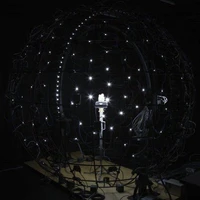
Volumetric video represents a transformative advancement in visual media, enabling users to freely navigate immersive virtual experiences and narrowing the gap between digital and real worlds. However, the need for extensive manual intervention to stabilize mesh sequences and the generation of excessively large assets in existing workflows impedes broader adoption. In this paper, we present a novel Gaussian-based approach, dubbed DualGS, for real-time and high-fidelity playback of complex human performance with excellent compression ratios. Our key idea in DualGS is to separately represent motion and appearance using the corresponding skin and joint Gaussians. Such an explicit disentanglement can significantly reduce motion redundancy and enhance temporal coherence. We begin by initializing the DualGS and anchoring skin Gaussians to joint Gaussians at the first frame. Subsequently, we employ a coarse-to-fine training strategy for frame-by-frame human performance modeling. It includes a coarse alignment phase for overall motion prediction as well as a fine-grained optimization for robust tracking and high-fidelity rendering. To integrate volumetric video seamlessly into VR environments, we efficiently compress motion using entropy encoding and appearance using codec compression coupled with a persistent codebook. Our approach achieves a compression ratio of up to 120 times, only requiring approximately 350KB of storage per frame. We demonstrate the efficacy of our representation through photo-realistic, free-view experiences on VR headsets, enabling users to immersively watch musicians in performance and feel the rhythm of the notes at the performers' fingertips.

  • 8 authors
·
Sep 12, 2024 4

UV Gaussians: Joint Learning of Mesh Deformation and Gaussian Textures for Human Avatar Modeling

Reconstructing photo-realistic drivable human avatars from multi-view image sequences has been a popular and challenging topic in the field of computer vision and graphics. While existing NeRF-based methods can achieve high-quality novel view rendering of human models, both training and inference processes are time-consuming. Recent approaches have utilized 3D Gaussians to represent the human body, enabling faster training and rendering. However, they undermine the importance of the mesh guidance and directly predict Gaussians in 3D space with coarse mesh guidance. This hinders the learning procedure of the Gaussians and tends to produce blurry textures. Therefore, we propose UV Gaussians, which models the 3D human body by jointly learning mesh deformations and 2D UV-space Gaussian textures. We utilize the embedding of UV map to learn Gaussian textures in 2D space, leveraging the capabilities of powerful 2D networks to extract features. Additionally, through an independent Mesh network, we optimize pose-dependent geometric deformations, thereby guiding Gaussian rendering and significantly enhancing rendering quality. We collect and process a new dataset of human motion, which includes multi-view images, scanned models, parametric model registration, and corresponding texture maps. Experimental results demonstrate that our method achieves state-of-the-art synthesis of novel view and novel pose. The code and data will be made available on the homepage https://alex-jyj.github.io/UV-Gaussians/ once the paper is accepted.

  • 8 authors
·
Mar 18, 2024

Gaussian Head & Shoulders: High Fidelity Neural Upper Body Avatars with Anchor Gaussian Guided Texture Warping

By equipping the most recent 3D Gaussian Splatting representation with head 3D morphable models (3DMM), existing methods manage to create head avatars with high fidelity. However, most existing methods only reconstruct a head without the body, substantially limiting their application scenarios. We found that naively applying Gaussians to model the clothed chest and shoulders tends to result in blurry reconstruction and noisy floaters under novel poses. This is because of the fundamental limitation of Gaussians and point clouds -- each Gaussian or point can only have a single directional radiance without spatial variance, therefore an unnecessarily large number of them is required to represent complicated spatially varying texture, even for simple geometry. In contrast, we propose to model the body part with a neural texture that consists of coarse and pose-dependent fine colors. To properly render the body texture for each view and pose without accurate geometry nor UV mapping, we optimize another sparse set of Gaussians as anchors that constrain the neural warping field that maps image plane coordinates to the texture space. We demonstrate that Gaussian Head & Shoulders can fit the high-frequency details on the clothed upper body with high fidelity and potentially improve the accuracy and fidelity of the head region. We evaluate our method with casual phone-captured and internet videos and show our method archives superior reconstruction quality and robustness in both self and cross reenactment tasks. To fully utilize the efficient rendering speed of Gaussian splatting, we additionally propose an accelerated inference method of our trained model without Multi-Layer Perceptron (MLP) queries and reach a stable rendering speed of around 130 FPS for any subjects.


  • 6 authors
·
May 20, 2024

HyperGaussians: High-Dimensional Gaussian Splatting for High-Fidelity Animatable Face Avatars

We introduce HyperGaussians, a novel extension of 3D Gaussian Splatting for high-quality animatable face avatars. Creating such detailed face avatars from videos is a challenging problem and has numerous applications in augmented and virtual reality. While tremendous successes have been achieved for static faces, animatable avatars from monocular videos still fall in the uncanny valley. The de facto standard, 3D Gaussian Splatting (3DGS), represents a face through a collection of 3D Gaussian primitives. 3DGS excels at rendering static faces, but the state-of-the-art still struggles with nonlinear deformations, complex lighting effects, and fine details. While most related works focus on predicting better Gaussian parameters from expression codes, we rethink the 3D Gaussian representation itself and how to make it more expressive. Our insights lead to a novel extension of 3D Gaussians to high-dimensional multivariate Gaussians, dubbed 'HyperGaussians'. The higher dimensionality increases expressivity through conditioning on a learnable local embedding. However, splatting HyperGaussians is computationally expensive because it requires inverting a high-dimensional covariance matrix. We solve this by reparameterizing the covariance matrix, dubbed the 'inverse covariance trick'. This trick boosts the efficiency so that HyperGaussians can be seamlessly integrated into existing models. To demonstrate this, we plug in HyperGaussians into the state-of-the-art in fast monocular face avatars: FlashAvatar. Our evaluation on 19 subjects from 4 face datasets shows that HyperGaussians outperform 3DGS numerically and visually, particularly for high-frequency details like eyeglass frames, teeth, complex facial movements, and specular reflections.

  • 2 authors
·
Jul 3, 2025

BIGS: Bimanual Category-agnostic Interaction Reconstruction from Monocular Videos via 3D Gaussian Splatting

Reconstructing 3Ds of hand-object interaction (HOI) is a fundamental problem that can find numerous applications. Despite recent advances, there is no comprehensive pipeline yet for bimanual class-agnostic interaction reconstruction from a monocular RGB video, where two hands and an unknown object are interacting with each other. Previous works tackled the limited hand-object interaction case, where object templates are pre-known or only one hand is involved in the interaction. The bimanual interaction reconstruction exhibits severe occlusions introduced by complex interactions between two hands and an object. To solve this, we first introduce BIGS (Bimanual Interaction 3D Gaussian Splatting), a method that reconstructs 3D Gaussians of hands and an unknown object from a monocular video. To robustly obtain object Gaussians avoiding severe occlusions, we leverage prior knowledge of pre-trained diffusion model with score distillation sampling (SDS) loss, to reconstruct unseen object parts. For hand Gaussians, we exploit the 3D priors of hand model (i.e., MANO) and share a single Gaussian for two hands to effectively accumulate hand 3D information, given limited views. To further consider the 3D alignment between hands and objects, we include the interacting-subjects optimization step during Gaussian optimization. Our method achieves the state-of-the-art accuracy on two challenging datasets, in terms of 3D hand pose estimation (MPJPE), 3D object reconstruction (CDh, CDo, F10), and rendering quality (PSNR, SSIM, LPIPS), respectively.

  • 7 authors
·
Apr 12, 2025

F3G-Avatar : Face Focused Full-body Gaussian Avatar

Existing full-body Gaussian avatar methods primarily optimize global reconstruction quality and often fail to preserve fine-grained facial geometry and expression details. This challenge arises from limited facial representational capacity that causes difficulties in modeling high-frequency pose-dependent deformations. To address this, we propose F3G-Avatar, a full-body, face-aware avatar synthesis method that reconstructs animatable human representations from multi-view RGB video and regressed pose/shape parameters. Starting from a clothed Momentum Human Rig (MHR) template, front/back positional maps are rendered and decoded into 3D Gaussians through a two-branch architecture: a body branch that captures pose-dependent non-rigid deformations and a face-focused deformation branch that refines head geometry and appearance. The predicted Gaussians are fused, posed with linear blend skinning (LBS), and rendered with differentiable Gaussian splatting. Training combines reconstruction and perceptual objectives with a face-specific adversarial loss to enhance realism in close-up views. Experiments demonstrate strong rendering quality, with face-view performance reaching PSNR/SSIM/LPIPS of 26.243/0.964/0.084 on the AvatarReX dataset. Ablations further highlight contributions of the MHR template and the face-focused deformation. F3G-Avatar provides a practical, high-quality pipeline for realistic, animatable full-body avatar synthesis.

  • 5 authors
·
Apr 9

LayGA: Layered Gaussian Avatars for Animatable Clothing Transfer

Animatable clothing transfer, aiming at dressing and animating garments across characters, is a challenging problem. Most human avatar works entangle the representations of the human body and clothing together, which leads to difficulties for virtual try-on across identities. What's worse, the entangled representations usually fail to exactly track the sliding motion of garments. To overcome these limitations, we present Layered Gaussian Avatars (LayGA), a new representation that formulates body and clothing as two separate layers for photorealistic animatable clothing transfer from multi-view videos. Our representation is built upon the Gaussian map-based avatar for its excellent representation power of garment details. However, the Gaussian map produces unstructured 3D Gaussians distributed around the actual surface. The absence of a smooth explicit surface raises challenges in accurate garment tracking and collision handling between body and garments. Therefore, we propose two-stage training involving single-layer reconstruction and multi-layer fitting. In the single-layer reconstruction stage, we propose a series of geometric constraints to reconstruct smooth surfaces and simultaneously obtain the segmentation between body and clothing. Next, in the multi-layer fitting stage, we train two separate models to represent body and clothing and utilize the reconstructed clothing geometries as 3D supervision for more accurate garment tracking. Furthermore, we propose geometry and rendering layers for both high-quality geometric reconstruction and high-fidelity rendering. Overall, the proposed LayGA realizes photorealistic animations and virtual try-on, and outperforms other baseline methods. Our project page is https://jsnln.github.io/layga/index.html.

  • 6 authors
·
May 12, 2024

Sketch and Patch: Efficient 3D Gaussian Representation for Man-Made Scenes

3D Gaussian Splatting (3DGS) has emerged as a promising representation for photorealistic rendering of 3D scenes. However, its high storage requirements pose significant challenges for practical applications. We observe that Gaussians exhibit distinct roles and characteristics that are analogous to traditional artistic techniques -- Like how artists first sketch outlines before filling in broader areas with color, some Gaussians capture high-frequency features like edges and contours; While other Gaussians represent broader, smoother regions, that are analogous to broader brush strokes that add volume and depth to a painting. Based on this observation, we propose a novel hybrid representation that categorizes Gaussians into (i) Sketch Gaussians, which define scene boundaries, and (ii) Patch Gaussians, which cover smooth regions. Sketch Gaussians are efficiently encoded using parametric models, leveraging their geometric coherence, while Patch Gaussians undergo optimized pruning, retraining, and vector quantization to maintain volumetric consistency and storage efficiency. Our comprehensive evaluation across diverse indoor and outdoor scenes demonstrates that this structure-aware approach achieves up to 32.62% improvement in PSNR, 19.12% in SSIM, and 45.41% in LPIPS at equivalent model sizes, and correspondingly, for an indoor scene, our model maintains the visual quality with 2.3% of the original model size.

  • 5 authors
·
Jan 22, 2025

DiffPose: Multi-hypothesis Human Pose Estimation using Diffusion models

Traditionally, monocular 3D human pose estimation employs a machine learning model to predict the most likely 3D pose for a given input image. However, a single image can be highly ambiguous and induces multiple plausible solutions for the 2D-3D lifting step which results in overly confident 3D pose predictors. To this end, we propose DiffPose, a conditional diffusion model, that predicts multiple hypotheses for a given input image. In comparison to similar approaches, our diffusion model is straightforward and avoids intensive hyperparameter tuning, complex network structures, mode collapse, and unstable training. Moreover, we tackle a problem of the common two-step approach that first estimates a distribution of 2D joint locations via joint-wise heatmaps and consecutively approximates them based on first- or second-moment statistics. Since such a simplification of the heatmaps removes valid information about possibly correct, though labeled unlikely, joint locations, we propose to represent the heatmaps as a set of 2D joint candidate samples. To extract information about the original distribution from these samples we introduce our embedding transformer that conditions the diffusion model. Experimentally, we show that DiffPose slightly improves upon the state of the art for multi-hypothesis pose estimation for simple poses and outperforms it by a large margin for highly ambiguous poses.

  • 2 authors
·
Nov 29, 2022

Mesh-based Gaussian Splatting for Real-time Large-scale Deformation

Neural implicit representations, including Neural Distance Fields and Neural Radiance Fields, have demonstrated significant capabilities for reconstructing surfaces with complicated geometry and topology, and generating novel views of a scene. Nevertheless, it is challenging for users to directly deform or manipulate these implicit representations with large deformations in the real-time fashion. Gaussian Splatting(GS) has recently become a promising method with explicit geometry for representing static scenes and facilitating high-quality and real-time synthesis of novel views. However,it cannot be easily deformed due to the use of discrete Gaussians and lack of explicit topology. To address this, we develop a novel GS-based method that enables interactive deformation. Our key idea is to design an innovative mesh-based GS representation, which is integrated into Gaussian learning and manipulation. 3D Gaussians are defined over an explicit mesh, and they are bound with each other: the rendering of 3D Gaussians guides the mesh face split for adaptive refinement, and the mesh face split directs the splitting of 3D Gaussians. Moreover, the explicit mesh constraints help regularize the Gaussian distribution, suppressing poor-quality Gaussians(e.g. misaligned Gaussians,long-narrow shaped Gaussians), thus enhancing visual quality and avoiding artifacts during deformation. Based on this representation, we further introduce a large-scale Gaussian deformation technique to enable deformable GS, which alters the parameters of 3D Gaussians according to the manipulation of the associated mesh. Our method benefits from existing mesh deformation datasets for more realistic data-driven Gaussian deformation. Extensive experiments show that our approach achieves high-quality reconstruction and effective deformation, while maintaining the promising rendering results at a high frame rate(65 FPS on average).

  • 7 authors
·
Feb 7, 2024

Relightable Full-Body Gaussian Codec Avatars

We propose Relightable Full-Body Gaussian Codec Avatars, a new approach for modeling relightable full-body avatars with fine-grained details including face and hands. The unique challenge for relighting full-body avatars lies in the large deformations caused by body articulation and the resulting impact on appearance caused by light transport. Changes in body pose can dramatically change the orientation of body surfaces with respect to lights, resulting in both local appearance changes due to changes in local light transport functions, as well as non-local changes due to occlusion between body parts. To address this, we decompose the light transport into local and non-local effects. Local appearance changes are modeled using learnable zonal harmonics for diffuse radiance transfer. Unlike spherical harmonics, zonal harmonics are highly efficient to rotate under articulation. This allows us to learn diffuse radiance transfer in a local coordinate frame, which disentangles the local radiance transfer from the articulation of the body. To account for non-local appearance changes, we introduce a shadow network that predicts shadows given precomputed incoming irradiance on a base mesh. This facilitates the learning of non-local shadowing between the body parts. Finally, we use a deferred shading approach to model specular radiance transfer and better capture reflections and highlights such as eye glints. We demonstrate that our approach successfully models both the local and non-local light transport required for relightable full-body avatars, with a superior generalization ability under novel illumination conditions and unseen poses.

  • 18 authors
·
Jan 24, 2025 2

Gaussian Splatting with NeRF-based Color and Opacity

Neural Radiance Fields (NeRFs) have demonstrated the remarkable potential of neural networks to capture the intricacies of 3D objects. By encoding the shape and color information within neural network weights, NeRFs excel at producing strikingly sharp novel views of 3D objects. Recently, numerous generalizations of NeRFs utilizing generative models have emerged, expanding its versatility. In contrast, Gaussian Splatting (GS) offers a similar render quality with faster training and inference as it does not need neural networks to work. It encodes information about the 3D objects in the set of Gaussian distributions that can be rendered in 3D similarly to classical meshes. Unfortunately, GS are difficult to condition since they usually require circa hundred thousand Gaussian components. To mitigate the caveats of both models, we propose a hybrid model Viewing Direction Gaussian Splatting (VDGS) that uses GS representation of the 3D object's shape and NeRF-based encoding of color and opacity. Our model uses Gaussian distributions with trainable positions (i.e. means of Gaussian), shape (i.e. covariance of Gaussian), color and opacity, and a neural network that takes Gaussian parameters and viewing direction to produce changes in the said color and opacity. As a result, our model better describes shadows, light reflections, and the transparency of 3D objects without adding additional texture and light components.

  • 5 authors
·
Dec 21, 2023

Solving High Frequency and Multi-Scale PDEs with Gaussian Processes

Machine learning based solvers have garnered much attention in physical simulation and scientific computing, with a prominent example, physics-informed neural networks (PINNs). However, PINNs often struggle to solve high-frequency and multi-scale PDEs, which can be due to spectral bias during neural network training. To address this problem, we resort to the Gaussian process (GP) framework. To flexibly capture the dominant frequencies, we model the power spectrum of the PDE solution with a student t mixture or Gaussian mixture. We apply the inverse Fourier transform to obtain the covariance function (by Wiener-Khinchin theorem). The covariance derived from the Gaussian mixture spectrum corresponds to the known spectral mixture kernel. Next, we estimate the mixture weights in the log domain, which we show is equivalent to placing a Jeffreys prior. It automatically induces sparsity, prunes excessive frequencies, and adjusts the remaining toward the ground truth. Third, to enable efficient and scalable computation on massive collocation points, which are critical to capture high frequencies, we place the collocation points on a grid, and multiply our covariance function at each input dimension. We use the GP conditional mean to predict the solution and its derivatives so as to fit the boundary condition and the equation itself. As a result, we can derive a Kronecker product structure in the covariance matrix. We use Kronecker product properties and multilinear algebra to promote computational efficiency and scalability, without low-rank approximations. We show the advantage of our method in systematic experiments. The code is released at https://github.com/xuangu-fang/Gaussian-Process-Slover-for-High-Freq-PDE.

  • 6 authors
·
Nov 8, 2023

ColorGS: High-fidelity Surgical Scene Reconstruction with Colored Gaussian Splatting

High-fidelity reconstruction of deformable tissues from endoscopic videos remains challenging due to the limitations of existing methods in capturing subtle color variations and modeling global deformations. While 3D Gaussian Splatting (3DGS) enables efficient dynamic reconstruction, its fixed per-Gaussian color assignment struggles with intricate textures, and linear deformation modeling fails to model consistent global deformation. To address these issues, we propose ColorGS, a novel framework that integrates spatially adaptive color encoding and enhanced deformation modeling for surgical scene reconstruction. First, we introduce Colored Gaussian Primitives, which employ dynamic anchors with learnable color parameters to adaptively encode spatially varying textures, significantly improving color expressiveness under complex lighting and tissue similarity. Second, we design an Enhanced Deformation Model (EDM) that combines time-aware Gaussian basis functions with learnable time-independent deformations, enabling precise capture of both localized tissue deformations and global motion consistency caused by surgical interactions. Extensive experiments on DaVinci robotic surgery videos and benchmark datasets (EndoNeRF, StereoMIS) demonstrate that ColorGS achieves state-of-the-art performance, attaining a PSNR of 39.85 (1.5 higher than prior 3DGS-based methods) and superior SSIM (97.25\%) while maintaining real-time rendering efficiency. Our work advances surgical scene reconstruction by balancing high fidelity with computational practicality, critical for intraoperative guidance and AR/VR applications.

  • 3 authors
·
Aug 26, 2025

DiffPose: SpatioTemporal Diffusion Model for Video-Based Human Pose Estimation

Denoising diffusion probabilistic models that were initially proposed for realistic image generation have recently shown success in various perception tasks (e.g., object detection and image segmentation) and are increasingly gaining attention in computer vision. However, extending such models to multi-frame human pose estimation is non-trivial due to the presence of the additional temporal dimension in videos. More importantly, learning representations that focus on keypoint regions is crucial for accurate localization of human joints. Nevertheless, the adaptation of the diffusion-based methods remains unclear on how to achieve such objective. In this paper, we present DiffPose, a novel diffusion architecture that formulates video-based human pose estimation as a conditional heatmap generation problem. First, to better leverage temporal information, we propose SpatioTemporal Representation Learner which aggregates visual evidences across frames and uses the resulting features in each denoising step as a condition. In addition, we present a mechanism called Lookup-based MultiScale Feature Interaction that determines the correlations between local joints and global contexts across multiple scales. This mechanism generates delicate representations that focus on keypoint regions. Altogether, by extending diffusion models, we show two unique characteristics from DiffPose on pose estimation task: (i) the ability to combine multiple sets of pose estimates to improve prediction accuracy, particularly for challenging joints, and (ii) the ability to adjust the number of iterative steps for feature refinement without retraining the model. DiffPose sets new state-of-the-art results on three benchmarks: PoseTrack2017, PoseTrack2018, and PoseTrack21.

  • 5 authors
·
Jul 31, 2023

Standardized Benchmark Dataset for Localized Exposure to a Realistic Source at 10-90 GHz

The lack of freely available standardized datasets represents an aggravating factor during the development and testing the performance of novel computational techniques in exposure assessment and dosimetry research. This hinders progress as researchers are required to generate numerical data (field, power and temperature distribution) anew using simulation software for each exposure scenario. Other than being time consuming, this approach is highly susceptible to errors that occur during the configuration of the electromagnetic model. To address this issue, in this paper, the limited available data on the incident power density and resultant maximum temperature rise on the skin surface considering various steady-state exposure scenarios at 10-90 GHz have been statistically modeled. The synthetic data have been sampled from the fitted statistical multivariate distribution with respect to predetermined dosimetric constraints. We thus present a comprehensive and open-source dataset compiled of the high-fidelity numerical data considering various exposures to a realistic source. Furthermore, different surrogate models for predicting maximum temperature rise on the skin surface were fitted based on the synthetic dataset. All surrogate models were tested on the originally available data where satisfactory predictive performance has been demonstrated. A simple technique of combining quadratic polynomial and tensor-product spline surrogates, each operating on its own cluster of data, has achieved the lowest mean absolute error of 0.058 {\deg}C. Therefore, overall experimental results indicate the validity of the proposed synthetic dataset.

  • 3 authors
·
May 3, 2023

V2P: Visual Attention Calibration for GUI Grounding via Background Suppression and Center Peaking

Precise localization of GUI elements is crucial for the development of GUI agents. Traditional methods rely on bounding box or center-point regression, neglecting spatial interaction uncertainty and visual-semantic hierarchies. Recent methods incorporate attention mechanisms but still face two key issues: (1) ignoring processing background regions causes attention drift from the desired area, and (2) uniform modeling the target UI element fails to distinguish between its center and edges, leading to click imprecision. Inspired by how humans visually process and interact with GUI elements, we propose the Valley-to-Peak (V2P) method to address these issues. To mitigate background distractions, V2P introduces a suppression attention mechanism that minimizes the model's focus on irrelevant regions to highlight the intended region. For the issue of center-edge distinction, V2P applies a Fitts' Law-inspired approach by modeling GUI interactions as 2D Gaussian heatmaps where the weight gradually decreases from the center towards the edges. The weight distribution follows a Gaussian function, with the variance determined by the target's size. Consequently, V2P effectively isolates the target area and teaches the model to concentrate on the most essential point of the UI element. The model trained by V2P achieves the performance with 92.4\% and 52.5\% on two benchmarks ScreenSpot-v2 and ScreenSpot-Pro (see Fig.~fig:main_results_charts). Ablations further confirm each component's contribution, underscoring V2P's generalizability in precise GUI grounding tasks and its potential for real-world deployment in future GUI agents.

  • 9 authors
·
Jan 11

HopFIR: Hop-wise GraphFormer with Intragroup Joint Refinement for 3D Human Pose Estimation

2D-to-3D human pose lifting is fundamental for 3D human pose estimation (HPE), for which graph convolutional networks (GCNs) have proven inherently suitable for modeling the human skeletal topology. However, the current GCN-based 3D HPE methods update the node features by aggregating their neighbors' information without considering the interaction of joints in different joint synergies. Although some studies have proposed importing limb information to learn the movement patterns, the latent synergies among joints, such as maintaining balance are seldom investigated. We propose the Hop-wise GraphFormer with Intragroup Joint Refinement (HopFIR) architecture to tackle the 3D HPE problem. HopFIR mainly consists of a novel hop-wise GraphFormer (HGF) module and an intragroup joint refinement (IJR) module. The HGF module groups the joints by k-hop neighbors and applies a hopwise transformer-like attention mechanism to these groups to discover latent joint synergies. The IJR module leverages the prior limb information for peripheral joint refinement. Extensive experimental results show that HopFIR outperforms the SOTA methods by a large margin, with a mean per-joint position error (MPJPE) on the Human3.6M dataset of 32.67 mm. We also demonstrate that the state-of-the-art GCN-based methods can benefit from the proposed hop-wise attention mechanism with a significant improvement in performance: SemGCN and MGCN are improved by 8.9% and 4.5%, respectively.

  • 5 authors
·
Feb 28, 2023

PSAvatar: A Point-based Morphable Shape Model for Real-Time Head Avatar Animation with 3D Gaussian Splatting

Despite much progress, achieving real-time high-fidelity head avatar animation is still difficult and existing methods have to trade-off between speed and quality. 3DMM based methods often fail to model non-facial structures such as eyeglasses and hairstyles, while neural implicit models suffer from deformation inflexibility and rendering inefficiency. Although 3D Gaussian has been demonstrated to possess promising capability for geometry representation and radiance field reconstruction, applying 3D Gaussian in head avatar creation remains a major challenge since it is difficult for 3D Gaussian to model the head shape variations caused by changing poses and expressions. In this paper, we introduce PSAvatar, a novel framework for animatable head avatar creation that utilizes discrete geometric primitive to create a parametric morphable shape model and employs 3D Gaussian for fine detail representation and high fidelity rendering. The parametric morphable shape model is a Point-based Morphable Shape Model (PMSM) which uses points instead of meshes for 3D representation to achieve enhanced representation flexibility. The PMSM first converts the FLAME mesh to points by sampling on the surfaces as well as off the meshes to enable the reconstruction of not only surface-like structures but also complex geometries such as eyeglasses and hairstyles. By aligning these points with the head shape in an analysis-by-synthesis manner, the PMSM makes it possible to utilize 3D Gaussian for fine detail representation and appearance modeling, thus enabling the creation of high-fidelity avatars. We show that PSAvatar can reconstruct high-fidelity head avatars of a variety of subjects and the avatars can be animated in real-time (ge 25 fps at a resolution of 512 times 512 ).

  • 5 authors
·
Jan 23, 2024

PICA: Physics-Integrated Clothed Avatar

We introduce PICA, a novel representation for high-fidelity animatable clothed human avatars with physics-accurate dynamics, even for loose clothing. Previous neural rendering-based representations of animatable clothed humans typically employ a single model to represent both the clothing and the underlying body. While efficient, these approaches often fail to accurately represent complex garment dynamics, leading to incorrect deformations and noticeable rendering artifacts, especially for sliding or loose garments. Furthermore, previous works represent garment dynamics as pose-dependent deformations and facilitate novel pose animations in a data-driven manner. This often results in outcomes that do not faithfully represent the mechanics of motion and are prone to generating artifacts in out-of-distribution poses. To address these issues, we adopt two individual 3D Gaussian Splatting (3DGS) models with different deformation characteristics, modeling the human body and clothing separately. This distinction allows for better handling of their respective motion characteristics. With this representation, we integrate a graph neural network (GNN)-based clothed body physics simulation module to ensure an accurate representation of clothing dynamics. Our method, through its carefully designed features, achieves high-fidelity rendering of clothed human bodies in complex and novel driving poses, significantly outperforming previous methods under the same settings.

  • 5 authors
·
Jul 7, 2024

MEGA: Memory-Efficient 4D Gaussian Splatting for Dynamic Scenes

4D Gaussian Splatting (4DGS) has recently emerged as a promising technique for capturing complex dynamic 3D scenes with high fidelity. It utilizes a 4D Gaussian representation and a GPU-friendly rasterizer, enabling rapid rendering speeds. Despite its advantages, 4DGS faces significant challenges, notably the requirement of millions of 4D Gaussians, each with extensive associated attributes, leading to substantial memory and storage cost. This paper introduces a memory-efficient framework for 4DGS. We streamline the color attribute by decomposing it into a per-Gaussian direct color component with only 3 parameters and a shared lightweight alternating current color predictor. This approach eliminates the need for spherical harmonics coefficients, which typically involve up to 144 parameters in classic 4DGS, thereby creating a memory-efficient 4D Gaussian representation. Furthermore, we introduce an entropy-constrained Gaussian deformation technique that uses a deformation field to expand the action range of each Gaussian and integrates an opacity-based entropy loss to limit the number of Gaussians, thus forcing our model to use as few Gaussians as possible to fit a dynamic scene well. With simple half-precision storage and zip compression, our framework achieves a storage reduction by approximately 190times and 125times on the Technicolor and Neural 3D Video datasets, respectively, compared to the original 4DGS. Meanwhile, it maintains comparable rendering speeds and scene representation quality, setting a new standard in the field. Code is available at https://github.com/Xinjie-Q/MEGA.

  • 10 authors
·
Oct 17, 2024

JOintGS: Joint Optimization of Cameras, Bodies and 3D Gaussians for In-the-Wild Monocular Reconstruction

Reconstructing high-fidelity animatable 3D human avatars from monocular RGB videos remains challenging, particularly in unconstrained in-the-wild scenarios where camera parameters and human poses from off-the-shelf methods (e.g., COLMAP, HMR2.0) are often inaccurate. Splatting (3DGS) advances demonstrate impressive rendering quality and real-time performance, they critically depend on precise camera calibration and pose annotations, limiting their applicability in real-world settings. We present JOintGS, a unified framework that jointly optimizes camera extrinsics, human poses, and 3D Gaussian representations from coarse initialization through a synergistic refinement mechanism. Our key insight is that explicit foreground-background disentanglement enables mutual reinforcement: static background Gaussians anchor camera estimation via multi-view consistency; refined cameras improve human body alignment through accurate temporal correspondence; optimized human poses enhance scene reconstruction by removing dynamic artifacts from static constraints. We further introduce a temporal dynamics module to capture fine-grained pose-dependent deformations and a residual color field to model illumination variations. Extensive experiments on NeuMan and EMDB datasets demonstrate that JOintGS achieves superior reconstruction quality, with 2.1~dB PSNR improvement over state-of-the-art methods on NeuMan dataset, while maintaining real-time rendering. Notably, our method shows significantly enhanced robustness to noisy initialization compared to the baseline.Our source code is available at https://github.com/MiliLab/JOintGS.

  • 5 authors
·
Feb 4

Unified Multivariate Gaussian Mixture for Efficient Neural Image Compression

Modeling latent variables with priors and hyperpriors is an essential problem in variational image compression. Formally, trade-off between rate and distortion is handled well if priors and hyperpriors precisely describe latent variables. Current practices only adopt univariate priors and process each variable individually. However, we find inter-correlations and intra-correlations exist when observing latent variables in a vectorized perspective. These findings reveal visual redundancies to improve rate-distortion performance and parallel processing ability to speed up compression. This encourages us to propose a novel vectorized prior. Specifically, a multivariate Gaussian mixture is proposed with means and covariances to be estimated. Then, a novel probabilistic vector quantization is utilized to effectively approximate means, and remaining covariances are further induced to a unified mixture and solved by cascaded estimation without context models involved. Furthermore, codebooks involved in quantization are extended to multi-codebooks for complexity reduction, which formulates an efficient compression procedure. Extensive experiments on benchmark datasets against state-of-the-art indicate our model has better rate-distortion performance and an impressive 3.18times compression speed up, giving us the ability to perform real-time, high-quality variational image compression in practice. Our source code is publicly available at https://github.com/xiaosu-zhu/McQuic.

  • 5 authors
·
Mar 21, 2022

Reconstructing Interacting Hands with Interaction Prior from Monocular Images

Reconstructing interacting hands from monocular images is indispensable in AR/VR applications. Most existing solutions rely on the accurate localization of each skeleton joint. However, these methods tend to be unreliable due to the severe occlusion and confusing similarity among adjacent hand parts. This also defies human perception because humans can quickly imitate an interaction pattern without localizing all joints. Our key idea is to first construct a two-hand interaction prior and recast the interaction reconstruction task as the conditional sampling from the prior. To expand more interaction states, a large-scale multimodal dataset with physical plausibility is proposed. Then a VAE is trained to further condense these interaction patterns as latent codes in a prior distribution. When looking for image cues that contribute to interaction prior sampling, we propose the interaction adjacency heatmap (IAH). Compared with a joint-wise heatmap for localization, IAH assigns denser visible features to those invisible joints. Compared with an all-in-one visible heatmap, it provides more fine-grained local interaction information in each interaction region. Finally, the correlations between the extracted features and corresponding interaction codes are linked by the ViT module. Comprehensive evaluations on benchmark datasets have verified the effectiveness of this framework. The code and dataset are publicly available at https://github.com/binghui-z/InterPrior_pytorch

  • 6 authors
·
Aug 27, 2023

Enhancing Skin Disease Diagnosis: Interpretable Visual Concept Discovery with SAM

Current AI-assisted skin image diagnosis has achieved dermatologist-level performance in classifying skin cancer, driven by rapid advancements in deep learning architectures. However, unlike traditional vision tasks, skin images in general present unique challenges due to the limited availability of well-annotated datasets, complex variations in conditions, and the necessity for detailed interpretations to ensure patient safety. Previous segmentation methods have sought to reduce image noise and enhance diagnostic performance, but these techniques require fine-grained, pixel-level ground truth masks for training. In contrast, with the rise of foundation models, the Segment Anything Model (SAM) has been introduced to facilitate promptable segmentation, enabling the automation of the segmentation process with simple yet effective prompts. Efforts applying SAM predominantly focus on dermatoscopy images, which present more easily identifiable lesion boundaries than clinical photos taken with smartphones. This limitation constrains the practicality of these approaches to real-world applications. To overcome the challenges posed by noisy clinical photos acquired via non-standardized protocols and to improve diagnostic accessibility, we propose a novel Cross-Attentive Fusion framework for interpretable skin lesion diagnosis. Our method leverages SAM to generate visual concepts for skin diseases using prompts, integrating local visual concepts with global image features to enhance model performance. Extensive evaluation on two skin disease datasets demonstrates our proposed method's effectiveness on lesion diagnosis and interpretability.

  • 5 authors
·
Sep 14, 2024

Evaluating AI systems under uncertain ground truth: a case study in dermatology

For safety, medical AI systems undergo thorough evaluations before deployment, validating their predictions against a ground truth which is assumed to be fixed and certain. However, this ground truth is often curated in the form of differential diagnoses. While a single differential diagnosis reflects the uncertainty in one expert assessment, multiple experts introduce another layer of uncertainty through disagreement. Both forms of uncertainty are ignored in standard evaluation which aggregates these differential diagnoses to a single label. In this paper, we show that ignoring uncertainty leads to overly optimistic estimates of model performance, therefore underestimating risk associated with particular diagnostic decisions. To this end, we propose a statistical aggregation approach, where we infer a distribution on probabilities of underlying medical condition candidates themselves, based on observed annotations. This formulation naturally accounts for the potential disagreements between different experts, as well as uncertainty stemming from individual differential diagnoses, capturing the entire ground truth uncertainty. Our approach boils down to generating multiple samples of medical condition probabilities, then evaluating and averaging performance metrics based on these sampled probabilities. In skin condition classification, we find that a large portion of the dataset exhibits significant ground truth uncertainty and standard evaluation severely over-estimates performance without providing uncertainty estimates. In contrast, our framework provides uncertainty estimates on common metrics of interest such as top-k accuracy and average overlap, showing that performance can change multiple percentage points. We conclude that, while assuming a crisp ground truth can be acceptable for many AI applications, a more nuanced evaluation protocol should be utilized in medical diagnosis.

  • 20 authors
·
Jul 5, 2023

SG-GS: Photo-realistic Animatable Human Avatars with Semantically-Guided Gaussian Splatting

Reconstructing photo-realistic animatable human avatars from monocular videos remains challenging in computer vision and graphics. Recently, methods using 3D Gaussians to represent the human body have emerged, offering faster optimization and real-time rendering. However, due to ignoring the crucial role of human body semantic information which represents the intrinsic structure and connections within the human body, they fail to achieve fine-detail reconstruction of dynamic human avatars. To address this issue, we propose SG-GS, which uses semantics-embedded 3D Gaussians, skeleton-driven rigid deformation, and non-rigid cloth dynamics deformation to create photo-realistic animatable human avatars from monocular videos. We then design a Semantic Human-Body Annotator (SHA) which utilizes SMPL's semantic prior for efficient body part semantic labeling. The generated labels are used to guide the optimization of Gaussian semantic attributes. To address the limited receptive field of point-level MLPs for local features, we also propose a 3D network that integrates geometric and semantic associations for human avatar deformation. We further implement three key strategies to enhance the semantic accuracy of 3D Gaussians and rendering quality: semantic projection with 2D regularization, semantic-guided density regularization and semantic-aware regularization with neighborhood consistency. Extensive experiments demonstrate that SG-GS achieves state-of-the-art geometry and appearance reconstruction performance.

  • 5 authors
·
Aug 18, 2024

OmniPhysGS: 3D Constitutive Gaussians for General Physics-Based Dynamics Generation

Recently, significant advancements have been made in the reconstruction and generation of 3D assets, including static cases and those with physical interactions. To recover the physical properties of 3D assets, existing methods typically assume that all materials belong to a specific predefined category (e.g., elasticity). However, such assumptions ignore the complex composition of multiple heterogeneous objects in real scenarios and tend to render less physically plausible animation given a wider range of objects. We propose OmniPhysGS for synthesizing a physics-based 3D dynamic scene composed of more general objects. A key design of OmniPhysGS is treating each 3D asset as a collection of constitutive 3D Gaussians. For each Gaussian, its physical material is represented by an ensemble of 12 physical domain-expert sub-models (rubber, metal, honey, water, etc.), which greatly enhances the flexibility of the proposed model. In the implementation, we define a scene by user-specified prompts and supervise the estimation of material weighting factors via a pretrained video diffusion model. Comprehensive experiments demonstrate that OmniPhysGS achieves more general and realistic physical dynamics across a broader spectrum of materials, including elastic, viscoelastic, plastic, and fluid substances, as well as interactions between different materials. Our method surpasses existing methods by approximately 3% to 16% in metrics of visual quality and text alignment.

  • 4 authors
·
Jan 31, 2025

ATLAS: Decoupling Skeletal and Shape Parameters for Expressive Parametric Human Modeling

Parametric body models offer expressive 3D representation of humans across a wide range of poses, shapes, and facial expressions, typically derived by learning a basis over registered 3D meshes. However, existing human mesh modeling approaches struggle to capture detailed variations across diverse body poses and shapes, largely due to limited training data diversity and restrictive modeling assumptions. Moreover, the common paradigm first optimizes the external body surface using a linear basis, then regresses internal skeletal joints from surface vertices. This approach introduces problematic dependencies between internal skeleton and outer soft tissue, limiting direct control over body height and bone lengths. To address these issues, we present ATLAS, a high-fidelity body model learned from 600k high-resolution scans captured using 240 synchronized cameras. Unlike previous methods, we explicitly decouple the shape and skeleton bases by grounding our mesh representation in the human skeleton. This decoupling enables enhanced shape expressivity, fine-grained customization of body attributes, and keypoint fitting independent of external soft-tissue characteristics. ATLAS outperforms existing methods by fitting unseen subjects in diverse poses more accurately, and quantitative evaluations show that our non-linear pose correctives more effectively capture complex poses compared to linear models.

  • 10 authors
·
Aug 21, 2025 2

EndoGaussian: Real-time Gaussian Splatting for Dynamic Endoscopic Scene Reconstruction

Reconstructing deformable tissues from endoscopic videos is essential in many downstream surgical applications. However, existing methods suffer from slow rendering speed, greatly limiting their practical use. In this paper, we introduce EndoGaussian, a real-time endoscopic scene reconstruction framework built on 3D Gaussian Splatting (3DGS). By integrating the efficient Gaussian representation and highly-optimized rendering engine, our framework significantly boosts the rendering speed to a real-time level. To adapt 3DGS for endoscopic scenes, we propose two strategies, Holistic Gaussian Initialization (HGI) and Spatio-temporal Gaussian Tracking (SGT), to handle the non-trivial Gaussian initialization and tissue deformation problems, respectively. In HGI, we leverage recent depth estimation models to predict depth maps of input binocular/monocular image sequences, based on which pixels are re-projected and combined for holistic initialization. In SPT, we propose to model surface dynamics using a deformation field, which is composed of an efficient encoding voxel and a lightweight deformation decoder, allowing for Gaussian tracking with minor training and rendering burden. Experiments on public datasets demonstrate our efficacy against prior SOTAs in many aspects, including better rendering speed (195 FPS real-time, 100times gain), better rendering quality (37.848 PSNR), and less training overhead (within 2 min/scene), showing significant promise for intraoperative surgery applications. Code is available at: https://yifliu3.github.io/EndoGaussian/.

  • 4 authors
·
Jan 23, 2024

SAGA: Surface-Aligned Gaussian Avatar

This paper presents a Surface-Aligned Gaussian representation for creating animatable human avatars from monocular videos,aiming at improving the novel view and pose synthesis performance while ensuring fast training and real-time rendering. Recently,3DGS has emerged as a more efficient and expressive alternative to NeRF, and has been used for creating dynamic human avatars. However,when applied to the severely ill-posed task of monocular dynamic reconstruction, the Gaussians tend to overfit the constantly changing regions such as clothes wrinkles or shadows since these regions cannot provide consistent supervision, resulting in noisy geometry and abrupt deformation that typically fail to generalize under novel views and poses.To address these limitations, we present SAGA,i.e.,Surface-Aligned Gaussian Avatar,which aligns the Gaussians with a mesh to enforce well-defined geometry and consistent deformation, thereby improving generalization under novel views and poses. Unlike existing strict alignment methods that suffer from limited expressive power and low realism,SAGA employs a two-stage alignment strategy where the Gaussians are first adhered on while then detached from the mesh, thus facilitating both good geometry and high expressivity. In the Adhered Stage, we improve the flexibility of Adhered-on-Mesh Gaussians by allowing them to flow on the mesh, in contrast to existing methods that rigidly bind Gaussians to fixed location. In the second Detached Stage, we introduce a Gaussian-Mesh Alignment regularization, which allows us to unleash the expressivity by detaching the Gaussians but maintain the geometric alignment by minimizing their location and orientation offsets from the bound triangles. Finally, since the Gaussians may drift outside the bound triangles during optimization, an efficient Walking-on-Mesh strategy is proposed to dynamically update the bound triangles.

  • 3 authors
·
Dec 1, 2024

GAvatar: Animatable 3D Gaussian Avatars with Implicit Mesh Learning

Gaussian splatting has emerged as a powerful 3D representation that harnesses the advantages of both explicit (mesh) and implicit (NeRF) 3D representations. In this paper, we seek to leverage Gaussian splatting to generate realistic animatable avatars from textual descriptions, addressing the limitations (e.g., flexibility and efficiency) imposed by mesh or NeRF-based representations. However, a naive application of Gaussian splatting cannot generate high-quality animatable avatars and suffers from learning instability; it also cannot capture fine avatar geometries and often leads to degenerate body parts. To tackle these problems, we first propose a primitive-based 3D Gaussian representation where Gaussians are defined inside pose-driven primitives to facilitate animation. Second, to stabilize and amortize the learning of millions of Gaussians, we propose to use neural implicit fields to predict the Gaussian attributes (e.g., colors). Finally, to capture fine avatar geometries and extract detailed meshes, we propose a novel SDF-based implicit mesh learning approach for 3D Gaussians that regularizes the underlying geometries and extracts highly detailed textured meshes. Our proposed method, GAvatar, enables the large-scale generation of diverse animatable avatars using only text prompts. GAvatar significantly surpasses existing methods in terms of both appearance and geometry quality, and achieves extremely fast rendering (100 fps) at 1K resolution.

  • 7 authors
·
Dec 18, 2023 1

Implicit Gaussian process representation of vector fields over arbitrary latent manifolds

Gaussian processes (GPs) are popular nonparametric statistical models for learning unknown functions and quantifying the spatiotemporal uncertainty in data. Recent works have extended GPs to model scalar and vector quantities distributed over non-Euclidean domains, including smooth manifolds appearing in numerous fields such as computer vision, dynamical systems, and neuroscience. However, these approaches assume that the manifold underlying the data is known, limiting their practical utility. We introduce RVGP, a generalisation of GPs for learning vector signals over latent Riemannian manifolds. Our method uses positional encoding with eigenfunctions of the connection Laplacian, associated with the tangent bundle, readily derived from common graph-based approximation of data. We demonstrate that RVGP possesses global regularity over the manifold, which allows it to super-resolve and inpaint vector fields while preserving singularities. Furthermore, we use RVGP to reconstruct high-density neural dynamics derived from low-density EEG recordings in healthy individuals and Alzheimer's patients. We show that vector field singularities are important disease markers and that their reconstruction leads to a comparable classification accuracy of disease states to high-density recordings. Thus, our method overcomes a significant practical limitation in experimental and clinical applications.

  • 9 authors
·
Sep 28, 2023

Joint2Human: High-quality 3D Human Generation via Compact Spherical Embedding of 3D Joints

3D human generation is increasingly significant in various applications. However, the direct use of 2D generative methods in 3D generation often results in significant loss of local details, while methods that reconstruct geometry from generated images struggle with global view consistency. In this work, we introduce Joint2Human, a novel method that leverages 2D diffusion models to generate detailed 3D human geometry directly, ensuring both global structure and local details. To achieve this, we employ the Fourier occupancy field (FOF) representation, enabling the direct production of 3D shapes as preliminary results using 2D generative models. With the proposed high-frequency enhancer and the multi-view recarving strategy, our method can seamlessly integrate the details from different views into a uniform global shape.To better utilize the 3D human prior and enhance control over the generated geometry, we introduce a compact spherical embedding of 3D joints. This allows for effective application of pose guidance during the generation process. Additionally, our method is capable of generating 3D humans guided by textual inputs. Our experimental results demonstrate the capability of our method to ensure global structure, local details, high resolution, and low computational cost, simultaneously. More results and code can be found on our project page at http://cic.tju.edu.cn/faculty/likun/projects/Joint2Human.

  • 6 authors
·
Dec 13, 2023

MatSpray: Fusing 2D Material World Knowledge on 3D Geometry

Manual modeling of material parameters and 3D geometry is a time consuming yet essential task in the gaming and film industries. While recent advances in 3D reconstruction have enabled accurate approximations of scene geometry and appearance, these methods often fall short in relighting scenarios due to the lack of precise, spatially varying material parameters. At the same time, diffusion models operating on 2D images have shown strong performance in predicting physically based rendering (PBR) properties such as albedo, roughness, and metallicity. However, transferring these 2D material maps onto reconstructed 3D geometry remains a significant challenge. We propose a framework for fusing 2D material data into 3D geometry using a combination of novel learning-based and projection-based approaches. We begin by reconstructing scene geometry via Gaussian Splatting. From the input images, a diffusion model generates 2D maps for albedo, roughness, and metallic parameters. Any existing diffusion model that can convert images or videos to PBR materials can be applied. The predictions are further integrated into the 3D representation either by optimizing an image-based loss or by directly projecting the material parameters onto the Gaussians using Gaussian ray tracing. To enhance fine-scale accuracy and multi-view consistency, we further introduce a light-weight neural refinement step (Neural Merger), which takes ray-traced material features as input and produces detailed adjustments. Our results demonstrate that the proposed methods outperform existing techniques in both quantitative metrics and perceived visual realism. This enables more accurate, relightable, and photorealistic renderings from reconstructed scenes, significantly improving the realism and efficiency of asset creation workflows in content production pipelines.

CGTuebingen CG Tübingen
·
Dec 20, 2025 2

Expressive Whole-Body 3D Gaussian Avatar

Facial expression and hand motions are necessary to express our emotions and interact with the world. Nevertheless, most of the 3D human avatars modeled from a casually captured video only support body motions without facial expressions and hand motions.In this work, we present ExAvatar, an expressive whole-body 3D human avatar learned from a short monocular video. We design ExAvatar as a combination of the whole-body parametric mesh model (SMPL-X) and 3D Gaussian Splatting (3DGS). The main challenges are 1) a limited diversity of facial expressions and poses in the video and 2) the absence of 3D observations, such as 3D scans and RGBD images. The limited diversity in the video makes animations with novel facial expressions and poses non-trivial. In addition, the absence of 3D observations could cause significant ambiguity in human parts that are not observed in the video, which can result in noticeable artifacts under novel motions. To address them, we introduce our hybrid representation of the mesh and 3D Gaussians. Our hybrid representation treats each 3D Gaussian as a vertex on the surface with pre-defined connectivity information (i.e., triangle faces) between them following the mesh topology of SMPL-X. It makes our ExAvatar animatable with novel facial expressions by driven by the facial expression space of SMPL-X. In addition, by using connectivity-based regularizers, we significantly reduce artifacts in novel facial expressions and poses.

  • 3 authors
·
Jul 31, 2024 2

Deformable 3D Gaussian Splatting for Animatable Human Avatars

Recent advances in neural radiance fields enable novel view synthesis of photo-realistic images in dynamic settings, which can be applied to scenarios with human animation. Commonly used implicit backbones to establish accurate models, however, require many input views and additional annotations such as human masks, UV maps and depth maps. In this work, we propose ParDy-Human (Parameterized Dynamic Human Avatar), a fully explicit approach to construct a digital avatar from as little as a single monocular sequence. ParDy-Human introduces parameter-driven dynamics into 3D Gaussian Splatting where 3D Gaussians are deformed by a human pose model to animate the avatar. Our method is composed of two parts: A first module that deforms canonical 3D Gaussians according to SMPL vertices and a consecutive module that further takes their designed joint encodings and predicts per Gaussian deformations to deal with dynamics beyond SMPL vertex deformations. Images are then synthesized by a rasterizer. ParDy-Human constitutes an explicit model for realistic dynamic human avatars which requires significantly fewer training views and images. Our avatars learning is free of additional annotations such as masks and can be trained with variable backgrounds while inferring full-resolution images efficiently even on consumer hardware. We provide experimental evidence to show that ParDy-Human outperforms state-of-the-art methods on ZJU-MoCap and THUman4.0 datasets both quantitatively and visually.

  • 8 authors
·
Dec 22, 2023

Multi-HMR: Multi-Person Whole-Body Human Mesh Recovery in a Single Shot

We present Multi-HMR, a strong sigle-shot model for multi-person 3D human mesh recovery from a single RGB image. Predictions encompass the whole body, i.e., including hands and facial expressions, using the SMPL-X parametric model and 3D location in the camera coordinate system. Our model detects people by predicting coarse 2D heatmaps of person locations, using features produced by a standard Vision Transformer (ViT) backbone. It then predicts their whole-body pose, shape and 3D location using a new cross-attention module called the Human Prediction Head (HPH), with one query attending to the entire set of features for each detected person. As direct prediction of fine-grained hands and facial poses in a single shot, i.e., without relying on explicit crops around body parts, is hard to learn from existing data, we introduce CUFFS, the Close-Up Frames of Full-Body Subjects dataset, containing humans close to the camera with diverse hand poses. We show that incorporating it into the training data further enhances predictions, particularly for hands. Multi-HMR also optionally accounts for camera intrinsics, if available, by encoding camera ray directions for each image token. This simple design achieves strong performance on whole-body and body-only benchmarks simultaneously: a ViT-S backbone on 448{times}448 images already yields a fast and competitive model, while larger models and higher resolutions obtain state-of-the-art results.

  • 7 authors
·
Feb 22, 2024

TexAvatars : Hybrid Texel-3D Representations for Stable Rigging of Photorealistic Gaussian Head Avatars

Constructing drivable and photorealistic 3D head avatars has become a central task in AR/XR, enabling immersive and expressive user experiences. With the emergence of high-fidelity and efficient representations such as 3D Gaussians, recent works have pushed toward ultra-detailed head avatars. Existing approaches typically fall into two categories: rule-based analytic rigging or neural network-based deformation fields. While effective in constrained settings, both approaches often fail to generalize to unseen expressions and poses, particularly in extreme reenactment scenarios. Other methods constrain Gaussians to the global texel space of 3DMMs to reduce rendering complexity. However, these texel-based avatars tend to underutilize the underlying mesh structure. They apply minimal analytic deformation and rely heavily on neural regressors and heuristic regularization in UV space, which weakens geometric consistency and limits extrapolation to complex, out-of-distribution deformations. To address these limitations, we introduce TexAvatars, a hybrid avatar representation that combines the explicit geometric grounding of analytic rigging with the spatial continuity of texel space. Our approach predicts local geometric attributes in UV space via CNNs, but drives 3D deformation through mesh-aware Jacobians, enabling smooth and semantically meaningful transitions across triangle boundaries. This hybrid design separates semantic modeling from geometric control, resulting in improved generalization, interpretability, and stability. Furthermore, TexAvatars captures fine-grained expression effects, including muscle-induced wrinkles, glabellar lines, and realistic mouth cavity geometry, with high fidelity. Our method achieves state-of-the-art performance under extreme pose and expression variations, demonstrating strong generalization in challenging head reenactment settings.

  • 4 authors
·
Dec 24, 2025

Analytic-Splatting: Anti-Aliased 3D Gaussian Splatting via Analytic Integration

The 3D Gaussian Splatting (3DGS) gained its popularity recently by combining the advantages of both primitive-based and volumetric 3D representations, resulting in improved quality and efficiency for 3D scene rendering. However, 3DGS is not alias-free, and its rendering at varying resolutions could produce severe blurring or jaggies. This is because 3DGS treats each pixel as an isolated, single point rather than as an area, causing insensitivity to changes in the footprints of pixels. Consequently, this discrete sampling scheme inevitably results in aliasing, owing to the restricted sampling bandwidth. In this paper, we derive an analytical solution to address this issue. More specifically, we use a conditioned logistic function as the analytic approximation of the cumulative distribution function (CDF) in a one-dimensional Gaussian signal and calculate the Gaussian integral by subtracting the CDFs. We then introduce this approximation in the two-dimensional pixel shading, and present Analytic-Splatting, which analytically approximates the Gaussian integral within the 2D-pixel window area to better capture the intensity response of each pixel. Moreover, we use the approximated response of the pixel window integral area to participate in the transmittance calculation of volume rendering, making Analytic-Splatting sensitive to the changes in pixel footprint at different resolutions. Experiments on various datasets validate that our approach has better anti-aliasing capability that gives more details and better fidelity.

  • 6 authors
·
Mar 16, 2024

Relightable Gaussian Codec Avatars

The fidelity of relighting is bounded by both geometry and appearance representations. For geometry, both mesh and volumetric approaches have difficulty modeling intricate structures like 3D hair geometry. For appearance, existing relighting models are limited in fidelity and often too slow to render in real-time with high-resolution continuous environments. In this work, we present Relightable Gaussian Codec Avatars, a method to build high-fidelity relightable head avatars that can be animated to generate novel expressions. Our geometry model based on 3D Gaussians can capture 3D-consistent sub-millimeter details such as hair strands and pores on dynamic face sequences. To support diverse materials of human heads such as the eyes, skin, and hair in a unified manner, we present a novel relightable appearance model based on learnable radiance transfer. Together with global illumination-aware spherical harmonics for the diffuse components, we achieve real-time relighting with spatially all-frequency reflections using spherical Gaussians. This appearance model can be efficiently relit under both point light and continuous illumination. We further improve the fidelity of eye reflections and enable explicit gaze control by introducing relightable explicit eye models. Our method outperforms existing approaches without compromising real-time performance. We also demonstrate real-time relighting of avatars on a tethered consumer VR headset, showcasing the efficiency and fidelity of our avatars.

  • 5 authors
·
Dec 6, 2023 1

DreamMesh4D: Video-to-4D Generation with Sparse-Controlled Gaussian-Mesh Hybrid Representation

Recent advancements in 2D/3D generative techniques have facilitated the generation of dynamic 3D objects from monocular videos. Previous methods mainly rely on the implicit neural radiance fields (NeRF) or explicit Gaussian Splatting as the underlying representation, and struggle to achieve satisfactory spatial-temporal consistency and surface appearance. Drawing inspiration from modern 3D animation pipelines, we introduce DreamMesh4D, a novel framework combining mesh representation with geometric skinning technique to generate high-quality 4D object from a monocular video. Instead of utilizing classical texture map for appearance, we bind Gaussian splats to triangle face of mesh for differentiable optimization of both the texture and mesh vertices. In particular, DreamMesh4D begins with a coarse mesh obtained through an image-to-3D generation procedure. Sparse points are then uniformly sampled across the mesh surface, and are used to build a deformation graph to drive the motion of the 3D object for the sake of computational efficiency and providing additional constraint. For each step, transformations of sparse control points are predicted using a deformation network, and the mesh vertices as well as the surface Gaussians are deformed via a novel geometric skinning algorithm, which is a hybrid approach combining LBS (linear blending skinning) and DQS (dual-quaternion skinning), mitigating drawbacks associated with both approaches. The static surface Gaussians and mesh vertices as well as the deformation network are learned via reference view photometric loss, score distillation loss as well as other regularizers in a two-stage manner. Extensive experiments demonstrate superior performance of our method. Furthermore, our method is compatible with modern graphic pipelines, showcasing its potential in the 3D gaming and film industry.

  • 3 authors
·
Oct 9, 2024