new

Get trending papers in your email inbox!

Subscribe

Daily Papers

byAK and the research community

Apr 21

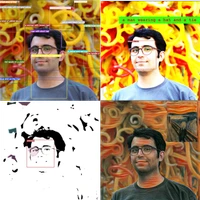
Guide-and-Rescale: Self-Guidance Mechanism for Effective Tuning-Free Real Image Editing

Despite recent advances in large-scale text-to-image generative models, manipulating real images with these models remains a challenging problem. The main limitations of existing editing methods are that they either fail to perform with consistent quality on a wide range of image edits or require time-consuming hyperparameter tuning or fine-tuning of the diffusion model to preserve the image-specific appearance of the input image. We propose a novel approach that is built upon a modified diffusion sampling process via the guidance mechanism. In this work, we explore the self-guidance technique to preserve the overall structure of the input image and its local regions appearance that should not be edited. In particular, we explicitly introduce layout-preserving energy functions that are aimed to save local and global structures of the source image. Additionally, we propose a noise rescaling mechanism that allows to preserve noise distribution by balancing the norms of classifier-free guidance and our proposed guiders during generation. Such a guiding approach does not require fine-tuning the diffusion model and exact inversion process. As a result, the proposed method provides a fast and high-quality editing mechanism. In our experiments, we show through human evaluation and quantitative analysis that the proposed method allows to produce desired editing which is more preferable by humans and also achieves a better trade-off between editing quality and preservation of the original image. Our code is available at https://github.com/FusionBrainLab/Guide-and-Rescale.


  • 5 authors
·
Sep 2, 2024 2

Training for Identity, Inference for Controllability: A Unified Approach to Tuning-Free Face Personalization

Tuning-free face personalization methods have developed along two distinct paradigms: text embedding approaches that map facial features into the text embedding space, and adapter-based methods that inject features through auxiliary cross-attention layers. While both paradigms have shown promise, existing methods struggle to simultaneously achieve high identity fidelity and flexible text controllability. We introduce UniID, a unified tuning-free framework that synergistically integrates both paradigms. Our key insight is that when merging these approaches, they should mutually reinforce only identity-relevant information while preserving the original diffusion prior for non-identity attributes. We realize this through a principled training-inference strategy: during training, we employ an identity-focused learning scheme that guides both branches to capture identity features exclusively; at inference, we introduce a normalized rescaling mechanism that recovers the text controllability of the base diffusion model while enabling complementary identity signals to enhance each other. This principled design enables UniID to achieve high-fidelity face personalization with flexible text controllability. Extensive experiments against six state-of-the-art methods demonstrate that UniID achieves superior performance in both identity preservation and text controllability. Code will be available at https://github.com/lyuPang/UniID

  • 7 authors
·
Dec 3, 2025

Thinking by Doing: Building Efficient World Model Reasoning in LLMs via Multi-turn Interaction

Developing robust world model reasoning is crucial for large language model (LLM) agents to plan and interact in complex environments. While multi-turn interaction offers a superior understanding of environmental dynamics via authentic feedback, current approaches often impose a rigid reasoning process, which constrains the model's active learning, ultimately hindering efficient world model reasoning. To address these issues, we explore world-model internalization through efficient interaction and active reasoning (WMAct), which liberates the model from structured reasoning, allowing the model to shape thinking directly through its doing, and achieves effective and efficient world model reasoning with two key mechanisms: (1) a reward rescaling mechanism adjusting outcome reward based on action efficacy to incentivize redundancy reduction and purposeful interaction; (2) an interaction frequency annealing strategy to progressively reduce the maximum allowed interaction turns, which compels the model to condense its learning and internalize environmental dynamics rather than over-relying on environmental cues. Our experiments on Sokoban, Maze, and Taxi show that WMAct yields effective world model reasoning capable of resolving tasks in a single turn that previously required multiple interactions and fosters strong transferability to complex environments, improving performance on a suite of reasoning benchmarks.

  • 14 authors
·
Nov 28, 2025

A Unified View of Attention and Residual Sinks: Outlier-Driven Rescaling is Essential for Transformer Training

We investigate the functional role of emergent outliers in large language models, specifically attention sinks (a few tokens that consistently receive large attention logits) and residual sinks (a few fixed dimensions with persistently large activations across most tokens). We hypothesize that these outliers, in conjunction with the corresponding normalizations (e.g., softmax attention and RMSNorm), effectively rescale other non-outlier components. We term this phenomenon outlier-driven rescaling and validate this hypothesis across different model architectures and training token counts. This view unifies the origin and mitigation of both sink types. Our main conclusions and observations include: (1) Outliers function jointly with normalization: removing normalization eliminates the corresponding outliers but degrades training stability and performance; directly clipping outliers while retaining normalization leads to degradation, indicating that outlier-driven rescaling contributes to training stability. (2) Outliers serve more as rescale factors rather than contributors, as the final contributions of attention and residual sinks are significantly smaller than those of non-outliers. (3) Outliers can be absorbed into learnable parameters or mitigated via explicit gated rescaling, leading to improved training performance (average gain of 2 points) and enhanced quantization robustness (1.2 points degradation under W4A4 quantization).

  • 19 authors
·
Jan 30

Sigma: Differential Rescaling of Query, Key and Value for Efficient Language Models

We introduce Sigma, an efficient large language model specialized for the system domain, empowered by a novel architecture including DiffQKV attention, and pre-trained on our meticulously collected system domain data. DiffQKV attention significantly enhances the inference efficiency of Sigma by optimizing the Query (Q), Key (K), and Value (V) components in the attention mechanism differentially, based on their varying impacts on the model performance and efficiency indicators. Specifically, we (1) conduct extensive experiments that demonstrate the model's varying sensitivity to the compression of K and V components, leading to the development of differentially compressed KV, and (2) propose augmented Q to expand the Q head dimension, which enhances the model's representation capacity with minimal impacts on the inference speed. Rigorous theoretical and empirical analyses reveal that DiffQKV attention significantly enhances efficiency, achieving up to a 33.36% improvement in inference speed over the conventional grouped-query attention (GQA) in long-context scenarios. We pre-train Sigma on 6T tokens from various sources, including 19.5B system domain data that we carefully collect and 1T tokens of synthesized and rewritten data. In general domains, Sigma achieves comparable performance to other state-of-arts models. In the system domain, we introduce the first comprehensive benchmark AIMicius, where Sigma demonstrates remarkable performance across all tasks, significantly outperforming GPT-4 with an absolute improvement up to 52.5%.

  • 34 authors
·
Jan 23, 2025 2

ResAdapter: Domain Consistent Resolution Adapter for Diffusion Models

Recent advancement in text-to-image models (e.g., Stable Diffusion) and corresponding personalized technologies (e.g., DreamBooth and LoRA) enables individuals to generate high-quality and imaginative images. However, they often suffer from limitations when generating images with resolutions outside of their trained domain. To overcome this limitation, we present the Resolution Adapter (ResAdapter), a domain-consistent adapter designed for diffusion models to generate images with unrestricted resolutions and aspect ratios. Unlike other multi-resolution generation methods that process images of static resolution with complex post-process operations, ResAdapter directly generates images with the dynamical resolution. Especially, after learning a deep understanding of pure resolution priors, ResAdapter trained on the general dataset, generates resolution-free images with personalized diffusion models while preserving their original style domain. Comprehensive experiments demonstrate that ResAdapter with only 0.5M can process images with flexible resolutions for arbitrary diffusion models. More extended experiments demonstrate that ResAdapter is compatible with other modules (e.g., ControlNet, IP-Adapter and LCM-LoRA) for image generation across a broad range of resolutions, and can be integrated into other multi-resolution model (e.g., ElasticDiffusion) for efficiently generating higher-resolution images. Project link is https://res-adapter.github.io

  • 10 authors
·
Mar 4, 2024 1

Revisiting ResNets: Improved Training and Scaling Strategies

Novel computer vision architectures monopolize the spotlight, but the impact of the model architecture is often conflated with simultaneous changes to training methodology and scaling strategies. Our work revisits the canonical ResNet (He et al., 2015) and studies these three aspects in an effort to disentangle them. Perhaps surprisingly, we find that training and scaling strategies may matter more than architectural changes, and further, that the resulting ResNets match recent state-of-the-art models. We show that the best performing scaling strategy depends on the training regime and offer two new scaling strategies: (1) scale model depth in regimes where overfitting can occur (width scaling is preferable otherwise); (2) increase image resolution more slowly than previously recommended (Tan & Le, 2019). Using improved training and scaling strategies, we design a family of ResNet architectures, ResNet-RS, which are 1.7x - 2.7x faster than EfficientNets on TPUs, while achieving similar accuracies on ImageNet. In a large-scale semi-supervised learning setup, ResNet-RS achieves 86.2% top-1 ImageNet accuracy, while being 4.7x faster than EfficientNet NoisyStudent. The training techniques improve transfer performance on a suite of downstream tasks (rivaling state-of-the-art self-supervised algorithms) and extend to video classification on Kinetics-400. We recommend practitioners use these simple revised ResNets as baselines for future research.

  • 8 authors
·
Mar 12, 2021

Ghosts of Softmax: Complex Singularities That Limit Safe Step Sizes in Cross-Entropy

Optimization analyses for cross-entropy training rely on local Taylor models of the loss to predict whether a proposed step will decrease the objective. These surrogates are reliable only inside the Taylor convergence radius of the true loss along the update direction. That radius is set not by real-line curvature alone but by the nearest complex singularity. For cross-entropy, the softmax partition function F=sum_j exp(z_j) has complex zeros -- ``ghosts of softmax'' -- that induce logarithmic singularities in the loss and cap this radius. To make this geometry usable, we derive closed-form expressions under logit linearization along the proposed update direction. In the binary case, the exact radius is ρ^*=δ^2+ π^2/Δ_a. In the multiclass case, we obtain the lower bound ρ_a=π/Δ_a, where Δ_a=max_k a_k-min_k a_k is the spread of directional logit derivatives a_k=nabla z_kcdot v. This bound costs one Jacobian-vector product and reveals what makes a step fragile: samples that are both near a decision flip and highly sensitive to the proposed direction tighten the radius. The normalized step size r=τ/ρ_a separates safe from dangerous updates. Across six tested architectures and multiple step directions, no model fails for r<1, yet collapse appears once rge 1. Temperature scaling confirms the mechanism: normalizing by ρ_a shrinks the onset-threshold spread from standard deviation 0.992 to 0.164. A controller that enforces τleρ_a survives learning-rate spikes up to 10{,} 000times in our tests, where gradient clipping still collapses. Together, these results identify a geometric constraint on cross-entropy optimization that operates through Taylor convergence rather than Hessian curvature.

  • 1 authors
·
Mar 13

Effective Invertible Arbitrary Image Rescaling

Great successes have been achieved using deep learning techniques for image super-resolution (SR) with fixed scales. To increase its real world applicability, numerous models have also been proposed to restore SR images with arbitrary scale factors, including asymmetric ones where images are resized to different scales along horizontal and vertical directions. Though most models are only optimized for the unidirectional upscaling task while assuming a predefined downscaling kernel for low-resolution (LR) inputs, recent models based on Invertible Neural Networks (INN) are able to increase upscaling accuracy significantly by optimizing the downscaling and upscaling cycle jointly. However, limited by the INN architecture, it is constrained to fixed integer scale factors and requires one model for each scale. Without increasing model complexity, a simple and effective invertible arbitrary rescaling network (IARN) is proposed to achieve arbitrary image rescaling by training only one model in this work. Using innovative components like position-aware scale encoding and preemptive channel splitting, the network is optimized to convert the non-invertible rescaling cycle to an effectively invertible process. It is shown to achieve a state-of-the-art (SOTA) performance in bidirectional arbitrary rescaling without compromising perceptual quality in LR outputs. It is also demonstrated to perform well on tests with asymmetric scales using the same network architecture.

  • 5 authors
·
Sep 26, 2022

Learning from Noisy Labels via Self-Taught On-the-Fly Meta Loss Rescaling

Correct labels are indispensable for training effective machine learning models. However, creating high-quality labels is expensive, and even professionally labeled data contains errors and ambiguities. Filtering and denoising can be applied to curate labeled data prior to training, at the cost of additional processing and loss of information. An alternative is on-the-fly sample reweighting during the training process to decrease the negative impact of incorrect or ambiguous labels, but this typically requires clean seed data. In this work we propose unsupervised on-the-fly meta loss rescaling to reweight training samples. Crucially, we rely only on features provided by the model being trained, to learn a rescaling function in real time without knowledge of the true clean data distribution. We achieve this via a novel meta learning setup that samples validation data for the meta update directly from the noisy training corpus by employing the rescaling function being trained. Our proposed method consistently improves performance across various NLP tasks with minimal computational overhead. Further, we are among the first to attempt on-the-fly training data reweighting on the challenging task of dialogue modeling, where noisy and ambiguous labels are common. Our strategy is robust in the face of noisy and clean data, handles class imbalance, and prevents overfitting to noisy labels. Our self-taught loss rescaling improves as the model trains, showing the ability to keep learning from the model's own signals. As training progresses, the impact of correctly labeled data is scaled up, while the impact of wrongly labeled data is suppressed.

  • 9 authors
·
Dec 17, 2024

Downscaled Representation Matters: Improving Image Rescaling with Collaborative Downscaled Images

Deep networks have achieved great success in image rescaling (IR) task that seeks to learn the optimal downscaled representations, i.e., low-resolution (LR) images, to reconstruct the original high-resolution (HR) images. Compared with super-resolution methods that consider a fixed downscaling scheme, e.g., bicubic, IR often achieves significantly better reconstruction performance thanks to the learned downscaled representations. This highlights the importance of a good downscaled representation in image reconstruction tasks. Existing IR methods mainly learn the downscaled representation by jointly optimizing the downscaling and upscaling models. Unlike them, we seek to improve the downscaled representation through a different and more direct way: optimizing the downscaled image itself instead of the down-/upscaling models. Specifically, we propose a collaborative downscaling scheme that directly generates the collaborative LR examples by descending the gradient w.r.t. the reconstruction loss on them to benefit the IR process. Furthermore, since LR images are downscaled from the corresponding HR images, one can also improve the downscaled representation if we have a better representation in the HR domain. Inspired by this, we propose a Hierarchical Collaborative Downscaling (HCD) method that performs gradient descent in both HR and LR domains to improve the downscaled representations. Extensive experiments show that our HCD significantly improves the reconstruction performance both quantitatively and qualitatively. Moreover, we also highlight the flexibility of our HCD since it can generalize well across diverse IR models.

  • 5 authors
·
Nov 19, 2022

Robust Layerwise Scaling Rules by Proper Weight Decay Tuning

Empirical scaling laws prescribe how to allocate parameters, data, and compute, while maximal-update parameterization (muP) enables learning-rate transfer across widths by equalizing early-time update magnitudes. However, in modern scale-invariant architectures, training quickly enters an optimizer-governed steady state where normalization layers create backward scale sensitivity and the effective learning rate becomes width dependent, degrading muP transfer. We address this by introducing a weight-decay scaling rule for AdamW that preserves sublayer gain across widths. Empirically, the singular-value spectrum of each matrix parameter scales in norm as eta/lambda with an approximately invariant shape; under width scaling d, we observe that the top singular value scales approximately as eta/lambdacdot d^{0.75}. Combining this observation with the muP learning-rate rule eta_2propto d^{-1} for matrix-like parameters implies an empirical weight-decay scaling rule lambda_2propto d that approximately keeps sublayer gains width invariant. Together with vector-like parameters trained at eta_1=Theta_d(1) and lambda_1=0, this yields zero-shot transfer of both learning rate and weight decay from proxy to target widths, removing per-width sweeps. We validate the rule on LLaMA-style Transformers and in a minimal synthetic setting, and we provide a simple diagnostic, matching top singular values, to check sublayer-gain invariance. Our results extend muP beyond the near-init regime by explicitly controlling steady-state scales set by the optimizer, offering a practical recipe for width-robust hyperparameter transfer under AdamW.

On residual network depth

Deep residual architectures, such as ResNet and the Transformer, have enabled models of unprecedented depth, yet a formal understanding of why depth is so effective remains an open question. A popular intuition, following Veit et al. (2016), is that these residual networks behave like ensembles of many shallower models. Our key finding is an explicit analytical formula that verifies this ensemble perspective, proving that increasing network depth is mathematically equivalent to expanding the size of this implicit ensemble. Furthermore, our expansion reveals a hierarchical ensemble structure in which the combinatorial growth of computation paths leads to an explosion in the output signal, explaining the historical necessity of normalization layers in training deep models. This insight offers a first principles explanation for the historical dependence on normalization layers and sheds new light on a family of successful normalization-free techniques like SkipInit and Fixup. However, while these previous approaches infer scaling factors through optimizer analysis or a heuristic analogy to Batch Normalization, our work offers the first explanation derived directly from the network's inherent functional structure. Specifically, our Residual Expansion Theorem reveals that scaling each residual module provides a principled solution to taming the combinatorial explosion inherent to these architectures. We further show that this scaling acts as a capacity controls that also implicitly regularizes the model's complexity.

  • 2 authors
·
Oct 3, 2025

ResFormer: Scaling ViTs with Multi-Resolution Training

Vision Transformers (ViTs) have achieved overwhelming success, yet they suffer from vulnerable resolution scalability, i.e., the performance drops drastically when presented with input resolutions that are unseen during training. We introduce, ResFormer, a framework that is built upon the seminal idea of multi-resolution training for improved performance on a wide spectrum of, mostly unseen, testing resolutions. In particular, ResFormer operates on replicated images of different resolutions and enforces a scale consistency loss to engage interactive information across different scales. More importantly, to alternate among varying resolutions effectively, especially novel ones in testing, we propose a global-local positional embedding strategy that changes smoothly conditioned on input sizes. We conduct extensive experiments for image classification on ImageNet. The results provide strong quantitative evidence that ResFormer has promising scaling abilities towards a wide range of resolutions. For instance, ResFormer-B-MR achieves a Top-1 accuracy of 75.86% and 81.72% when evaluated on relatively low and high resolutions respectively (i.e., 96 and 640), which are 48% and 7.49% better than DeiT-B. We also demonstrate, moreover, ResFormer is flexible and can be easily extended to semantic segmentation, object detection and video action recognition. Code is available at https://github.com/ruitian12/resformer.

  • 6 authors
·
Dec 1, 2022

SHARP: Spectrum-aware Highly-dynamic Adaptation for Resolution Promotion in Remote Sensing Synthesis

Text-to-image generation powered by Diffusion Transformers (DiTs) has made remarkable strides, yet remote sensing (RS) synthesis lags behind due to two barriers: the absence of a domain-specialized DiT prior and the prohibitive cost of training at the large resolutions that RS applications demand. Training-free resolution promotion via Rotary Position Embedding (RoPE) rescaling offers a practical remedy, but every existing method applies a static positional scaling rule throughout the denoising process. This uniform compression is particularly harmful for RS imagery, whose substantially denser medium- and high-frequency energy encodes the fine structures critical for aerial-scene realism, such as vehicles, building contours, and road markings. Addressing both challenges requires a domain-specialized generative prior coupled with a denoising-aware positional adaptation strategy. To this end, we fine-tune FLUX on over 100,000 curated RS images to build a strong domain prior (RS-FLUX), and propose Spectrum-aware Highly-dynamic Adaptation for Resolution Promotion (SHARP), a training-free method that introduces a rational fractional time schedule k_rs(t) into RoPE. SHARP applies strong positional promotion during the early layout-formation stage and progressively relaxes it during detail recovery, aligning extrapolation strength with the frequency-progressive nature of diffusion denoising. Its resolution-agnostic formulation further enables robust multi-scale generation from a single set of hyperparameters. Extensive experiments across six square and rectangular resolutions show that SHARP consistently outperforms all training-free baselines on CLIP Score, Aesthetic Score, and HPSv2, with widening margins at more aggressive extrapolation factors and negligible computational overhead. Code and weights are available at https://github.com/bxuanz/SHARP.

  • 4 authors
·
Mar 23

Explaining Neural Scaling Laws

The population loss of trained deep neural networks often follows precise power-law scaling relations with either the size of the training dataset or the number of parameters in the network. We propose a theory that explains the origins of and connects these scaling laws. We identify variance-limited and resolution-limited scaling behavior for both dataset and model size, for a total of four scaling regimes. The variance-limited scaling follows simply from the existence of a well-behaved infinite data or infinite width limit, while the resolution-limited regime can be explained by positing that models are effectively resolving a smooth data manifold. In the large width limit, this can be equivalently obtained from the spectrum of certain kernels, and we present evidence that large width and large dataset resolution-limited scaling exponents are related by a duality. We exhibit all four scaling regimes in the controlled setting of large random feature and pretrained models and test the predictions empirically on a range of standard architectures and datasets. We also observe several empirical relationships between datasets and scaling exponents under modifications of task and architecture aspect ratio. Our work provides a taxonomy for classifying different scaling regimes, underscores that there can be different mechanisms driving improvements in loss, and lends insight into the microscopic origins of and relationships between scaling exponents.

  • 5 authors
·
Feb 12, 2021

Learned Adaptive Kernels for High-Fidelity Image Downscaling

Image downscaling is a fundamental operation in image processing, crucial for adapting high-resolution content to various display and storage constraints. While classic methods often introduce blurring or aliasing, recent learning-based approaches offer improved adaptivity. However, achieving maximal fidelity against ground-truth low-resolution (LR) images, particularly by accounting for channel-specific characteristics, remains an open challenge. This paper introduces ADK-Net (Adaptive Downscaling Kernel Network), a novel deep convolutional neural network framework for high-fidelity supervised image downscaling. ADK-Net explicitly addresses channel interdependencies by learning to predict spatially-varying, adaptive resampling kernels independently for each pixel and uniquely for each color channel (RGB). The architecture employs a hierarchical design featuring a ResNet-based feature extractor and parallel channel-specific kernel generators, themselves composed of ResNet-based trunk and branch sub-modules, enabling fine-grained kernel prediction. Trained end-to-end using an L1 reconstruction loss against ground-truth LR data, ADK-Net effectively learns the target downscaling transformation. Extensive quantitative and qualitative experiments on standard benchmarks, including the RealSR dataset, demonstrate that ADK-Net establishes a new state-of-the-art in supervised image downscaling, yielding significant improvements in PSNR and SSIM metrics compared to existing learning-based and traditional methods.

  • 2 authors
·
Nov 3, 2025

Screentone-Preserved Manga Retargeting

As a popular comic style, manga offers a unique impression by utilizing a rich set of bitonal patterns, or screentones, for illustration. However, screentones can easily be contaminated with visual-unpleasant aliasing and/or blurriness after resampling, which harms its visualization on displays of diverse resolutions. To address this problem, we propose the first manga retargeting method that synthesizes a rescaled manga image while retaining the screentone in each screened region. This is a non-trivial task as accurate region-wise segmentation remains challenging. Fortunately, the rescaled manga shares the same region-wise screentone correspondences with the original manga, which enables us to simplify the screentone synthesis problem as an anchor-based proposals selection and rearrangement problem. Specifically, we design a novel manga sampling strategy to generate aliasing-free screentone proposals, based on hierarchical grid-based anchors that connect the correspondences between the original and the target rescaled manga. Furthermore, a Recurrent Proposal Selection Module (RPSM) is proposed to adaptively integrate these proposals for target screentone synthesis. Besides, to deal with the translation insensitivity nature of screentones, we propose a translation-invariant screentone loss to facilitate the training convergence. Extensive qualitative and quantitative experiments are conducted to verify the effectiveness of our method, and notably compelling results are achieved compared to existing alternative techniques.

  • 4 authors
·
Mar 7, 2022

Enhancing Image Rescaling using Dual Latent Variables in Invertible Neural Network

Normalizing flow models have been used successfully for generative image super-resolution (SR) by approximating complex distribution of natural images to simple tractable distribution in latent space through Invertible Neural Networks (INN). These models can generate multiple realistic SR images from one low-resolution (LR) input using randomly sampled points in the latent space, simulating the ill-posed nature of image upscaling where multiple high-resolution (HR) images correspond to the same LR. Lately, the invertible process in INN has also been used successfully by bidirectional image rescaling models like IRN and HCFlow for joint optimization of downscaling and inverse upscaling, resulting in significant improvements in upscaled image quality. While they are optimized for image downscaling too, the ill-posed nature of image downscaling, where one HR image could be downsized to multiple LR images depending on different interpolation kernels and resampling methods, is not considered. A new downscaling latent variable, in addition to the original one representing uncertainties in image upscaling, is introduced to model variations in the image downscaling process. This dual latent variable enhancement is applicable to different image rescaling models and it is shown in extensive experiments that it can improve image upscaling accuracy consistently without sacrificing image quality in downscaled LR images. It is also shown to be effective in enhancing other INN-based models for image restoration applications like image hiding.

  • 4 authors
·
Jul 24, 2022

Decamouflage: A Framework to Detect Image-Scaling Attacks on Convolutional Neural Networks

As an essential processing step in computer vision applications, image resizing or scaling, more specifically downsampling, has to be applied before feeding a normally large image into a convolutional neural network (CNN) model because CNN models typically take small fixed-size images as inputs. However, image scaling functions could be adversarially abused to perform a newly revealed attack called image-scaling attack, which can affect a wide range of computer vision applications building upon image-scaling functions. This work presents an image-scaling attack detection framework, termed as Decamouflage. Decamouflage consists of three independent detection methods: (1) rescaling, (2) filtering/pooling, and (3) steganalysis. While each of these three methods is efficient standalone, they can work in an ensemble manner not only to improve the detection accuracy but also to harden potential adaptive attacks. Decamouflage has a pre-determined detection threshold that is generic. More precisely, as we have validated, the threshold determined from one dataset is also applicable to other different datasets. Extensive experiments show that Decamouflage achieves detection accuracy of 99.9\% and 99.8\% in the white-box (with the knowledge of attack algorithms) and the black-box (without the knowledge of attack algorithms) settings, respectively. To corroborate the efficiency of Decamouflage, we have also measured its run-time overhead on a personal PC with an i5 CPU and found that Decamouflage can detect image-scaling attacks in milliseconds. Overall, Decamouflage can accurately detect image scaling attacks in both white-box and black-box settings with acceptable run-time overhead.

  • 7 authors
·
Oct 7, 2020

Cross-Scale Pansharpening via ScaleFormer and the PanScale Benchmark

Pansharpening aims to generate high-resolution multi-spectral images by fusing the spatial detail of panchromatic images with the spectral richness of low-resolution MS data. However, most existing methods are evaluated under limited, low-resolution settings, limiting their generalization to real-world, high-resolution scenarios. To bridge this gap, we systematically investigate the data, algorithmic, and computational challenges of cross-scale pansharpening. We first introduce PanScale, the first large-scale, cross-scale pansharpening dataset, accompanied by PanScale-Bench, a comprehensive benchmark for evaluating generalization across varying resolutions and scales. To realize scale generalization, we propose ScaleFormer, a novel architecture designed for multi-scale pansharpening. ScaleFormer reframes generalization across image resolutions as generalization across sequence lengths: it tokenizes images into patch sequences of the same resolution but variable length proportional to image scale. A Scale-Aware Patchify module enables training for such variations from fixed-size crops. ScaleFormer then decouples intra-patch spatial feature learning from inter-patch sequential dependency modeling, incorporating Rotary Positional Encoding to enhance extrapolation to unseen scales. Extensive experiments show that our approach outperforms SOTA methods in fusion quality and cross-scale generalization. The datasets and source code are available upon acceptance.

  • 10 authors
·
Feb 28

Unlock Predictable Scaling from Emergent Abilities

The scientific scale-up of large language models (LLMs) necessitates a comprehensive understanding of their scaling properties. However, the existing literature on the scaling properties only yields an incomplete answer: optimization loss decreases predictably as the model size increases, in line with established scaling law; yet no scaling law for task has been established and the task performances are far from predictable during scaling. Task performances typically show minor gains on small models until they improve dramatically once models exceed a size threshold, exemplifying the ``emergent abilities''. In this study, we discover that small models, although they exhibit minor performance, demonstrate critical and consistent task performance improvements that are not captured by conventional evaluation strategies due to insufficient measurement resolution. To measure such improvements, we introduce PassUntil, an evaluation strategy through massive sampling in the decoding phase. We conduct quantitative investigations into the scaling law of task performance. Firstly, a strict task scaling law is identified, enhancing the predictability of task performances. Remarkably, we are able to predict the performance of the 2.4B model on code generation with merely 0.05\% deviation before training starts. Secondly, underpinned by PassUntil, we observe concrete evidence of emergent abilities and ascertain that they are not in conflict with the continuity of performance improvement. Their semblance to break-through is that their scaling curve cannot be fitted by standard scaling law function. We then introduce a mathematical definition for the emergent abilities. Through the definition, we refute a prevalent ``multi-step reasoning hypothesis'' regarding the genesis of emergent abilities and propose a new hypothesis with a satisfying fit to the observed scaling curve.

  • 12 authors
·
Oct 4, 2023

TTS-VAR: A Test-Time Scaling Framework for Visual Auto-Regressive Generation

Scaling visual generation models is essential for real-world content creation, yet requires substantial training and computational expenses. Alternatively, test-time scaling has garnered growing attention due to resource efficiency and promising performance. In this work, we present TTS-VAR, the first general test-time scaling framework for visual auto-regressive (VAR) models, modeling the generation process as a path searching problem. To dynamically balance computational efficiency with exploration capacity, we first introduce an adaptive descending batch size schedule throughout the causal generation process. Besides, inspired by VAR's hierarchical coarse-to-fine multi-scale generation, our framework integrates two key components: (i) At coarse scales, we observe that generated tokens are hard for evaluation, possibly leading to erroneous acceptance of inferior samples or rejection of superior samples. Noticing that the coarse scales contain sufficient structural information, we propose clustering-based diversity search. It preserves structural variety through semantic feature clustering, enabling later selection on samples with higher potential. (ii) In fine scales, resampling-based potential selection prioritizes promising candidates using potential scores, which are defined as reward functions incorporating multi-scale generation history. Experiments on the powerful VAR model Infinity show a notable 8.7% GenEval score improvement (from 0.69 to 0.75). Key insights reveal that early-stage structural features effectively influence final quality, and resampling efficacy varies across generation scales. Code is available at https://github.com/ali-vilab/TTS-VAR.

  • 7 authors
·
Jul 24, 2025 2

Transformer as Linear Expansion of Learngene

We propose expanding the shared Transformer module to produce and initialize Transformers of varying depths, enabling adaptation to diverse resource constraints. Drawing an analogy to genetic expansibility, we term such module as learngene. To identify the expansion mechanism, we delve into the relationship between the layer's position and its corresponding weight value, and find that linear function appropriately approximates this relationship. Building on this insight, we present Transformer as Linear Expansion of learnGene (TLEG), a novel approach for flexibly producing and initializing Transformers of diverse depths. Specifically, to learn learngene, we firstly construct an auxiliary Transformer linearly expanded from learngene, after which we train it through employing soft distillation. Subsequently, we can produce and initialize Transformers of varying depths via linearly expanding the well-trained learngene, thereby supporting diverse downstream scenarios. Extensive experiments on ImageNet-1K demonstrate that TLEG achieves comparable or better performance in contrast to many individual models trained from scratch, while reducing around 2x training cost. When transferring to several downstream classification datasets, TLEG surpasses existing initialization methods by a large margin (e.g., +6.87% on iNat 2019 and +7.66% on CIFAR-100). Under the situation where we need to produce models of varying depths adapting for different resource constraints, TLEG achieves comparable results while reducing around 19x parameters stored to initialize these models and around 5x pre-training costs, in contrast to the pre-training and fine-tuning approach. When transferring a fixed set of parameters to initialize different models, TLEG presents better flexibility and competitive performance while reducing around 2.9x parameters stored to initialize, compared to the pre-training approach.

  • 6 authors
·
Dec 9, 2023

Verified Uncertainty Calibration

Applications such as weather forecasting and personalized medicine demand models that output calibrated probability estimates---those representative of the true likelihood of a prediction. Most models are not calibrated out of the box but are recalibrated by post-processing model outputs. We find in this work that popular recalibration methods like Platt scaling and temperature scaling are (i) less calibrated than reported, and (ii) current techniques cannot estimate how miscalibrated they are. An alternative method, histogram binning, has measurable calibration error but is sample inefficient---it requires O(B/ε^2) samples, compared to O(1/ε^2) for scaling methods, where B is the number of distinct probabilities the model can output. To get the best of both worlds, we introduce the scaling-binning calibrator, which first fits a parametric function to reduce variance and then bins the function values to actually ensure calibration. This requires only O(1/ε^2 + B) samples. Next, we show that we can estimate a model's calibration error more accurately using an estimator from the meteorological community---or equivalently measure its calibration error with fewer samples (O(B) instead of O(B)). We validate our approach with multiclass calibration experiments on CIFAR-10 and ImageNet, where we obtain a 35% lower calibration error than histogram binning and, unlike scaling methods, guarantees on true calibration. In these experiments, we also estimate the calibration error and ECE more accurately than the commonly used plugin estimators. We implement all these methods in a Python library: https://pypi.org/project/uncertainty-calibration

  • 3 authors
·
Sep 23, 2019

Fast and Accurate Model Scaling

In this work we analyze strategies for convolutional neural network scaling; that is, the process of scaling a base convolutional network to endow it with greater computational complexity and consequently representational power. Example scaling strategies may include increasing model width, depth, resolution, etc. While various scaling strategies exist, their tradeoffs are not fully understood. Existing analysis typically focuses on the interplay of accuracy and flops (floating point operations). Yet, as we demonstrate, various scaling strategies affect model parameters, activations, and consequently actual runtime quite differently. In our experiments we show the surprising result that numerous scaling strategies yield networks with similar accuracy but with widely varying properties. This leads us to propose a simple fast compound scaling strategy that encourages primarily scaling model width, while scaling depth and resolution to a lesser extent. Unlike currently popular scaling strategies, which result in about O(s) increase in model activation w.r.t. scaling flops by a factor of s, the proposed fast compound scaling results in close to O(s) increase in activations, while achieving excellent accuracy. This leads to comparable speedups on modern memory-limited hardware (e.g., GPU, TPU). More generally, we hope this work provides a framework for analyzing and selecting scaling strategies under various computational constraints.

  • 3 authors
·
Mar 11, 2021 1

Resfusion: Denoising Diffusion Probabilistic Models for Image Restoration Based on Prior Residual Noise

Recently, research on denoising diffusion models has expanded its application to the field of image restoration. Traditional diffusion-based image restoration methods utilize degraded images as conditional input to effectively guide the reverse generation process, without modifying the original denoising diffusion process. However, since the degraded images already include low-frequency information, starting from Gaussian white noise will result in increased sampling steps. We propose Resfusion, a general framework that incorporates the residual term into the diffusion forward process, starting the reverse process directly from the noisy degraded images. The form of our inference process is consistent with the DDPM. We introduced a weighted residual noise, named resnoise, as the prediction target and explicitly provide the quantitative relationship between the residual term and the noise term in resnoise. By leveraging a smooth equivalence transformation, Resfusion determine the optimal acceleration step and maintains the integrity of existing noise schedules, unifying the training and inference processes. The experimental results demonstrate that Resfusion exhibits competitive performance on ISTD dataset, LOL dataset and Raindrop dataset with only five sampling steps. Furthermore, Resfusion can be easily applied to image generation and emerges with strong versatility. Our code and model are available at https://github.com/nkicsl/Resfusion.

  • 9 authors
·
Nov 24, 2023

Towards High-Quality and Efficient Video Super-Resolution via Spatial-Temporal Data Overfitting

As deep convolutional neural networks (DNNs) are widely used in various fields of computer vision, leveraging the overfitting ability of the DNN to achieve video resolution upscaling has become a new trend in the modern video delivery system. By dividing videos into chunks and overfitting each chunk with a super-resolution model, the server encodes videos before transmitting them to the clients, thus achieving better video quality and transmission efficiency. However, a large number of chunks are expected to ensure good overfitting quality, which substantially increases the storage and consumes more bandwidth resources for data transmission. On the other hand, decreasing the number of chunks through training optimization techniques usually requires high model capacity, which significantly slows down execution speed. To reconcile such, we propose a novel method for high-quality and efficient video resolution upscaling tasks, which leverages the spatial-temporal information to accurately divide video into chunks, thus keeping the number of chunks as well as the model size to minimum. Additionally, we advance our method into a single overfitting model by a data-aware joint training technique, which further reduces the storage requirement with negligible quality drop. We deploy our models on an off-the-shelf mobile phone, and experimental results show that our method achieves real-time video super-resolution with high video quality. Compared with the state-of-the-art, our method achieves 28 fps streaming speed with 41.6 PSNR, which is 14times faster and 2.29 dB better in the live video resolution upscaling tasks. Code available in https://github.com/coulsonlee/STDO-CVPR2023.git

  • 8 authors
·
Mar 14, 2023

Parallel Scaling Law for Language Models

It is commonly believed that scaling language models should commit a significant space or time cost, by increasing the parameters (parameter scaling) or output tokens (inference-time scaling). We introduce the third and more inference-efficient scaling paradigm: increasing the model's parallel computation during both training and inference time. We apply P diverse and learnable transformations to the input, execute forward passes of the model in parallel, and dynamically aggregate the P outputs. This method, namely parallel scaling (ParScale), scales parallel computation by reusing existing parameters and can be applied to any model structure, optimization procedure, data, or task. We theoretically propose a new scaling law and validate it through large-scale pre-training, which shows that a model with P parallel streams is similar to scaling the parameters by O(log P) while showing superior inference efficiency. For example, ParScale can use up to 22times less memory increase and 6times less latency increase compared to parameter scaling that achieves the same performance improvement. It can also recycle an off-the-shelf pre-trained model into a parallelly scaled one by post-training on a small amount of tokens, further reducing the training budget. The new scaling law we discovered potentially facilitates the deployment of more powerful models in low-resource scenarios, and provides an alternative perspective for the role of computation in machine learning.

  • 8 authors
·
May 15, 2025 3

RAISE: Requirement-Adaptive Evolutionary Refinement for Training-Free Text-to-Image Alignment

Recent text-to-image (T2I) diffusion models achieve remarkable realism, yet faithful prompt-image alignment remains challenging, particularly for complex prompts with multiple objects, relations, and fine-grained attributes. Existing training-free inference-time scaling methods rely on fixed iteration budgets that cannot adapt to prompt difficulty, while reflection-tuned models require carefully curated reflection datasets and extensive joint fine-tuning of diffusion and vision-language models, often overfitting to reflection paths data and lacking transferability across models. We introduce RAISE (Requirement-Adaptive Self-Improving Evolution), a training-free, requirement-driven evolutionary framework for adaptive T2I generation. RAISE formulates image generation as a requirement-driven adaptive scaling process, evolving a population of candidates at inference time through a diverse set of refinement actions-including prompt rewriting, noise resampling, and instructional editing. Each generation is verified against a structured checklist of requirements, enabling the system to dynamically identify unsatisfied items and allocate further computation only where needed. This achieves adaptive test-time scaling that aligns computational effort with semantic query complexity. On GenEval and DrawBench, RAISE attains state-of-the-art alignment (0.94 overall GenEval) while incurring fewer generated samples (reduced by 30-40%) and VLM calls (reduced by 80%) than prior scaling and reflection-tuned baselines, demonstrating efficient, generalizable, and model-agnostic multi-round self-improvement. Code is available at https://github.com/LiyaoJiang1998/RAISE.

Robust Weight Signatures: Gaining Robustness as Easy as Patching Weights?

Given a robust model trained to be resilient to one or multiple types of distribution shifts (e.g., natural image corruptions), how is that "robustness" encoded in the model weights, and how easily can it be disentangled and/or "zero-shot" transferred to some other models? This paper empirically suggests a surprisingly simple answer: linearly - by straightforward model weight arithmetic! We start by drawing several key observations: (1)assuming that we train the same model architecture on both a clean dataset and its corrupted version, resultant weights mostly differ in shallow layers; (2)the weight difference after projection, which we call "Robust Weight Signature" (RWS), appears to be discriminative and indicative of different corruption types; (3)for the same corruption type, the RWSs obtained by one model architecture are highly consistent and transferable across different datasets. We propose a minimalistic model robustness "patching" framework that carries a model trained on clean data together with its pre-extracted RWSs. In this way, injecting certain robustness to the model is reduced to directly adding the corresponding RWS to its weight. We verify our proposed framework to be remarkably (1)lightweight. since RWSs concentrate on the shallowest few layers and we further show they can be painlessly quantized, storing an RWS is up to 13 x more compact than storing the full weight copy; (2)in-situ adjustable. RWSs can be appended as needed and later taken off to restore the intact clean model. We further demonstrate one can linearly re-scale the RWS to control the patched robustness strength; (3)composable. Multiple RWSs can be added simultaneously to patch more comprehensive robustness at once; and (4)transferable. Even when the clean model backbone is continually adapted or updated, RWSs remain as effective patches due to their outstanding cross-dataset transferability.


  • 3 authors
·
Feb 24, 2023

Performance Scaling via Optimal Transport: Enabling Data Selection from Partially Revealed Sources

Traditionally, data selection has been studied in settings where all samples from prospective sources are fully revealed to a machine learning developer. However, in practical data exchange scenarios, data providers often reveal only a limited subset of samples before an acquisition decision is made. Recently, there have been efforts to fit scaling laws that predict model performance at any size and data source composition using the limited available samples. However, these scaling functions are black-box, computationally expensive to fit, highly susceptible to overfitting, or/and difficult to optimize for data selection. This paper proposes a framework called <projektor>, which predicts model performance and supports data selection decisions based on partial samples of prospective data sources. Our approach distinguishes itself from existing work by introducing a novel *two-stage* performance inference process. In the first stage, we leverage the Optimal Transport distance to predict the model's performance for any data mixture ratio within the range of disclosed data sizes. In the second stage, we extrapolate the performance to larger undisclosed data sizes based on a novel parameter-free mapping technique inspired by neural scaling laws. We further derive an efficient gradient-based method to select data sources based on the projected model performance. Evaluation over a diverse range of applications demonstrates that <projektor> significantly improves existing performance scaling approaches in terms of both the accuracy of performance inference and the computation costs associated with constructing the performance predictor. Also, <projektor> outperforms by a wide margin in data selection effectiveness compared to a range of other off-the-shelf solutions.

  • 4 authors
·
Jul 5, 2023

DARE the Extreme: Revisiting Delta-Parameter Pruning For Fine-Tuned Models

Storing open-source fine-tuned models separately introduces redundancy and increases response times in applications utilizing multiple models. Delta-parameter pruning (DPP), particularly the random drop and rescale (DARE) method proposed by Yu et al., addresses this by pruning the majority of delta parameters--the differences between fine-tuned and pre-trained model weights--while typically maintaining minimal performance loss. However, DARE fails when either the pruning rate or the magnitude of the delta parameters is large. We highlight two key reasons for this failure: (1) an excessively large rescaling factor as pruning rates increase, and (2) high mean and variance in the delta parameters. To push DARE's limits, we introduce DAREx (DARE the eXtreme), which features two algorithmic improvements: (1) DAREx-q, a rescaling factor modification that significantly boosts performance at high pruning rates (e.g., >30 % on COLA and SST2 for encoder models, with even greater gains in decoder models), and (2) DAREx-L2, which combines DARE with AdamR, an in-training method that applies appropriate delta regularization before DPP. We also demonstrate that DAREx-q can be seamlessly combined with vanilla parameter-efficient fine-tuning techniques like LoRA and can facilitate structural DPP. Additionally, we revisit the application of importance-based pruning techniques within DPP, demonstrating that they outperform random-based methods when delta parameters are large. Through this comprehensive study, we develop a pipeline for selecting the most appropriate DPP method under various practical scenarios.

  • 6 authors
·
Oct 11, 2024

Scaling Behaviors of LLM Reinforcement Learning Post-Training: An Empirical Study in Mathematical Reasoning

While scaling laws for large language models (LLMs) during pre-training have been extensively studied, their behavior under reinforcement learning (RL) post-training remains largely unexplored. This paper presents a systematic empirical investigation of scaling behaviors in RL-based post-training, with a particular focus on mathematical reasoning. Based on a set of experiments across the full Qwen2.5 dense model series (0.5B to 72B), we characterize how model scale, data volume, and computational budget interact to shape performance. Our analysis leads to four key findings: 1.Larger models consistently exhibit superior learning efficiency on both compute and data metrics. 2.The relationship between test loss, compute, and data can be modeled by a predictive power-law which is robust across both base and instruction-tuned models. 3.Although larger models exhibit higher learning efficiency, the analytical learning efficiency term k(N) in the power-law reveals a latent saturation trend in learning efficiency as model size continues to increase. 4.In data-constrained regimes, repeated reuse of high-quality data proves highly effective, as final performance is primarily governed by the total number of optimization steps rather than the uniqueness of samples. Collectively, these results provide a principled foundation and practical guidelines for efficiently scaling the reasoning capabilities of LLMs through RL post-training.

  • 16 authors
·
Sep 29, 2025

Unsupervised Deep Learning-based Pansharpening with Jointly-Enhanced Spectral and Spatial Fidelity

In latest years, deep learning has gained a leading role in the pansharpening of multiresolution images. Given the lack of ground truth data, most deep learning-based methods carry out supervised training in a reduced-resolution domain. However, models trained on downsized images tend to perform poorly on high-resolution target images. For this reason, several research groups are now turning to unsupervised training in the full-resolution domain, through the definition of appropriate loss functions and training paradigms. In this context, we have recently proposed a full-resolution training framework which can be applied to many existing architectures. Here, we propose a new deep learning-based pansharpening model that fully exploits the potential of this approach and provides cutting-edge performance. Besides architectural improvements with respect to previous work, such as the use of residual attention modules, the proposed model features a novel loss function that jointly promotes the spectral and spatial quality of the pansharpened data. In addition, thanks to a new fine-tuning strategy, it improves inference-time adaptation to target images. Experiments on a large variety of test images, performed in challenging scenarios, demonstrate that the proposed method compares favorably with the state of the art both in terms of numerical results and visual output. Code is available online at https://github.com/matciotola/Lambda-PNN.

  • 3 authors
·
Jul 26, 2023

When Do We Not Need Larger Vision Models?

Scaling up the size of vision models has been the de facto standard to obtain more powerful visual representations. In this work, we discuss the point beyond which larger vision models are not necessary. First, we demonstrate the power of Scaling on Scales (S^2), whereby a pre-trained and frozen smaller vision model (e.g., ViT-B or ViT-L), run over multiple image scales, can outperform larger models (e.g., ViT-H or ViT-G) on classification, segmentation, depth estimation, Multimodal LLM (MLLM) benchmarks, and robotic manipulation. Notably, S^2 achieves state-of-the-art performance in detailed understanding of MLLM on the V* benchmark, surpassing models such as GPT-4V. We examine the conditions under which S^2 is a preferred scaling approach compared to scaling on model size. While larger models have the advantage of better generalization on hard examples, we show that features of larger vision models can be well approximated by those of multi-scale smaller models. This suggests most, if not all, of the representations learned by current large pre-trained models can also be obtained from multi-scale smaller models. Our results show that a multi-scale smaller model has comparable learning capacity to a larger model, and pre-training smaller models with S^2 can match or even exceed the advantage of larger models. We release a Python package that can apply S^2 on any vision model with one line of code: https://github.com/bfshi/scaling_on_scales.

  • 5 authors
·
Mar 19, 2024 2

Recycling the Web: A Method to Enhance Pre-training Data Quality and Quantity for Language Models

Scaling laws predict that the performance of large language models improves with increasing model size and data size. In practice, pre-training has been relying on massive web crawls, using almost all data sources publicly available on the internet so far. However, this pool of natural data does not grow at the same rate as the compute supply. Furthermore, the availability of high-quality texts is even more limited: data filtering pipelines often remove up to 99% of the initial web scrapes to achieve state-of-the-art. To address the "data wall" of pre-training scaling, our work explores ways to transform and recycle data discarded in existing filtering processes. We propose REWIRE, REcycling the Web with guIded REwrite, a method to enrich low-quality documents so that they could become useful for training. This in turn allows us to increase the representation of synthetic data in the final pre-training set. Experiments at 1B, 3B and 7B scales of the DCLM benchmark show that mixing high-quality raw texts and our rewritten texts lead to 1.0, 1.3 and 2.5 percentage points improvement respectively across 22 diverse tasks, compared to training on only filtered web data. Training on the raw-synthetic data mix is also more effective than having access to 2x web data. Through further analysis, we demonstrate that about 82% of the mixed in texts come from transforming lower-quality documents that would otherwise be discarded. REWIRE also outperforms related approaches of generating synthetic data, including Wikipedia-style paraphrasing, question-answer synthesizing and knowledge extraction. These results suggest that recycling web texts holds the potential for being a simple and effective approach for scaling pre-training data.

  • 7 authors
·
Jun 5, 2025

Elucidating the Design Space of FP4 training

The increasing computational demands of foundation models have spurred research into low-precision training, with 4-bit floating-point (FP4) formats emerging as a frontier for maximizing hardware throughput. While numerous techniques have been proposed to stabilize FP4 training, they often present isolated solutions with varying, and not always clear, computational overheads. This paper aims to provide a unified view of the design space of FP4 training. We introduce a comprehensive, quantisation gradient-based framework for microscaling quantization that allows for a theoretical analysis of the computational costs associated with different stabilization methods on both the forward and backward passes. Using a simulator built on this framework, we conduct an extensive empirical study across a wide range of machine learning tasks, including regression, image classification, diffusion models, and language models. By systematically evaluating thousands of combinations of techniques, such as novel gradient approximations, rounding strategies, and scaling methods, we identify which configurations offer the most favourable performance-to-overhead trade-off. We find that the techniques enabling the best trade-off involve carefully combining Hadamard transformations, tensor scaling and stochastic rounding. We further find that using UE5M3 as a scaling factor potentially offers a good compromise between range and precision with manageable computational overhead.

  • 3 authors
·
Sep 22, 2025

Sparse Training via Boosting Pruning Plasticity with Neuroregeneration

Works on lottery ticket hypothesis (LTH) and single-shot network pruning (SNIP) have raised a lot of attention currently on post-training pruning (iterative magnitude pruning), and before-training pruning (pruning at initialization). The former method suffers from an extremely large computation cost and the latter usually struggles with insufficient performance. In comparison, during-training pruning, a class of pruning methods that simultaneously enjoys the training/inference efficiency and the comparable performance, temporarily, has been less explored. To better understand during-training pruning, we quantitatively study the effect of pruning throughout training from the perspective of pruning plasticity (the ability of the pruned networks to recover the original performance). Pruning plasticity can help explain several other empirical observations about neural network pruning in literature. We further find that pruning plasticity can be substantially improved by injecting a brain-inspired mechanism called neuroregeneration, i.e., to regenerate the same number of connections as pruned. We design a novel gradual magnitude pruning (GMP) method, named gradual pruning with zero-cost neuroregeneration (GraNet), that advances state of the art. Perhaps most impressively, its sparse-to-sparse version for the first time boosts the sparse-to-sparse training performance over various dense-to-sparse methods with ResNet-50 on ImageNet without extending the training time. We release all codes in https://github.com/Shiweiliuiiiiiii/GraNet.

  • 10 authors
·
Jun 18, 2021

RainShift: A Benchmark for Precipitation Downscaling Across Geographies

Earth System Models (ESM) are our main tool for projecting the impacts of climate change. However, running these models at sufficient resolution for local-scale risk-assessments is not computationally feasible. Deep learning-based super-resolution models offer a promising solution to downscale ESM outputs to higher resolutions by learning from data. Yet, due to regional variations in climatic processes, these models typically require retraining for each geographical area-demanding high-resolution observational data, which is unevenly available across the globe. This highlights the need to assess how well these models generalize across geographic regions. To address this, we introduce RainShift, a dataset and benchmark for evaluating downscaling under geographic distribution shifts. We evaluate state-of-the-art downscaling approaches including GANs and diffusion models in generalizing across data gaps between the Global North and Global South. Our findings reveal substantial performance drops in out-of-distribution regions, depending on model and geographic area. While expanding the training domain generally improves generalization, it is insufficient to overcome shifts between geographically distinct regions. We show that addressing these shifts through, for example, data alignment can improve spatial generalization. Our work advances the global applicability of downscaling methods and represents a step toward reducing inequities in access to high-resolution climate information.


  • 8 authors
·
Jul 7, 2025

FiTv2: Scalable and Improved Flexible Vision Transformer for Diffusion Model

Nature is infinitely resolution-free. In the context of this reality, existing diffusion models, such as Diffusion Transformers, often face challenges when processing image resolutions outside of their trained domain. To address this limitation, we conceptualize images as sequences of tokens with dynamic sizes, rather than traditional methods that perceive images as fixed-resolution grids. This perspective enables a flexible training strategy that seamlessly accommodates various aspect ratios during both training and inference, thus promoting resolution generalization and eliminating biases introduced by image cropping. On this basis, we present the Flexible Vision Transformer (FiT), a transformer architecture specifically designed for generating images with unrestricted resolutions and aspect ratios. We further upgrade the FiT to FiTv2 with several innovative designs, includingthe Query-Key vector normalization, the AdaLN-LoRA module, a rectified flow scheduler, and a Logit-Normal sampler. Enhanced by a meticulously adjusted network structure, FiTv2 exhibits 2times convergence speed of FiT. When incorporating advanced training-free extrapolation techniques, FiTv2 demonstrates remarkable adaptability in both resolution extrapolation and diverse resolution generation. Additionally, our exploration of the scalability of the FiTv2 model reveals that larger models exhibit better computational efficiency. Furthermore, we introduce an efficient post-training strategy to adapt a pre-trained model for the high-resolution generation. Comprehensive experiments demonstrate the exceptional performance of FiTv2 across a broad range of resolutions. We have released all the codes and models at https://github.com/whlzy/FiT to promote the exploration of diffusion transformer models for arbitrary-resolution image generation.

  • 6 authors
·
Oct 17, 2024 3

Scaling Laws for Robust Comparison of Open Foundation Language-Vision Models and Datasets

In studies of transferable learning, scaling laws are obtained for various important foundation models to predict their properties and performance at larger scales. We show here how scaling law derivation can also be used for model and dataset comparison, allowing to decide which procedure is to be preferred for pre-training. For the first time, full scaling laws based on dense measurements across a wide span of model and samples seen scales are derived for two important language-vision learning procedures, CLIP and MaMMUT, that use either contrastive only or contrastive and captioning text generative loss. Ensuring sufficient prediction accuracy for held out points, we use derived scaling laws to compare both models, obtaining evidence for MaMMUT's stronger improvement with scale and better sample efficiency than standard CLIP. To strengthen validity of the comparison, we show scaling laws for various downstream tasks, classification, retrieval, and segmentation, and for different open datasets, DataComp, DFN and Re-LAION, observing consistently the same trends. We show that comparison can also be performed when deriving scaling laws with a constant learning rate schedule, reducing compute cost. Accurate derivation of scaling laws provides thus means to perform model and dataset comparison across scale spans, avoiding misleading conclusions based on measurements from single reference scales only, paving the road for systematic comparison and improvement of open foundation models and datasets for their creation. We release all the pre-trained models with their intermediate checkpoints, including openMaMMUT-L/14, which achieves 80.3% zero-shot ImageNet-1k accuracy, trained on 12.8B samples from DataComp-1.4B. Code for reproducing experiments in the paper and raw experiments data can be found at https://github.com/LAION-AI/scaling-laws-for-comparison.

  • 7 authors
·
Jun 4, 2025 2

Problems with Chinchilla Approach 2: Systematic Biases in IsoFLOP Parabola Fits

Chinchilla Approach 2 is among the most widely used methods for fitting neural scaling laws. Its parabolic approximation introduces systematic biases in compute-optimal allocation estimates, even on noise-free synthetic data. Applied to published Llama 3 IsoFLOP data at open frontier compute scales, these biases imply a parameter underallocation corresponding to 6.5% of the 3.8times10^{25} FLOP training budget and \1.4M (90% CI: 412K-\2.9M) in unnecessary compute at 50% H100 MFU. Simulated multimodal model misallocations show even greater opportunity costs due to higher loss surface asymmetry. Three sources of this error are examined: IsoFLOP sampling grid width (Taylor approximation accuracy), uncentered IsoFLOP sampling, and loss surface asymmetry (α\neq β$). Chinchilla Approach 3 largely eliminates these biases but is often regarded as less data-efficient, numerically unstable, prone to local minima, and harder to implement. Each concern is shown to be unfounded or addressable, especially when the partially linear structure of the objective is exploited via Variable Projection, enabling unbiased inference on all five loss surface parameters through a two-dimensional optimization that is well-conditioned, analytically differentiable, and amenable to dense, or even exhaustive, grid search. It may serve as a more convenient replacement for Approach 2 or a more scalable alternative for adaptations of Approach 3 to richer scaling law formulations.

  • 5 authors
·
Mar 21

Real-Time Single Image and Video Super-Resolution Using an Efficient Sub-Pixel Convolutional Neural Network

Recently, several models based on deep neural networks have achieved great success in terms of both reconstruction accuracy and computational performance for single image super-resolution. In these methods, the low resolution (LR) input image is upscaled to the high resolution (HR) space using a single filter, commonly bicubic interpolation, before reconstruction. This means that the super-resolution (SR) operation is performed in HR space. We demonstrate that this is sub-optimal and adds computational complexity. In this paper, we present the first convolutional neural network (CNN) capable of real-time SR of 1080p videos on a single K2 GPU. To achieve this, we propose a novel CNN architecture where the feature maps are extracted in the LR space. In addition, we introduce an efficient sub-pixel convolution layer which learns an array of upscaling filters to upscale the final LR feature maps into the HR output. By doing so, we effectively replace the handcrafted bicubic filter in the SR pipeline with more complex upscaling filters specifically trained for each feature map, whilst also reducing the computational complexity of the overall SR operation. We evaluate the proposed approach using images and videos from publicly available datasets and show that it performs significantly better (+0.15dB on Images and +0.39dB on Videos) and is an order of magnitude faster than previous CNN-based methods.

  • 8 authors
·
Sep 16, 2016

Extreme Event Prediction with Multi-agent Reinforcement Learning-based Parametrization of Atmospheric and Oceanic Turbulence

Global climate models (GCMs) are the main tools for understanding and predicting climate change. However, due to limited numerical resolutions, these models suffer from major structural uncertainties; e.g., they cannot resolve critical processes such as small-scale eddies in atmospheric and oceanic turbulence. Thus, such small-scale processes have to be represented as a function of the resolved scales via closures (parametrization). The accuracy of these closures is particularly important for capturing climate extremes. Traditionally, such closures are based on heuristics and simplifying assumptions about the unresolved physics. Recently, supervised-learned closures, trained offline on high-fidelity data, have been shown to outperform the classical physics-based closures. However, this approach requires a significant amount of high-fidelity training data and can also lead to instabilities. Reinforcement learning is emerging as a potent alternative for developing such closures as it requires only low-order statistics and leads to stable closures. In Scientific Multi-Agent Reinforcement Learning (SMARL) computational elements serve a dual role of discretization points and learning agents. We leverage SMARL and fundamentals of turbulence physics to learn closures for prototypes of atmospheric and oceanic turbulence. The policy is trained using only the enstrophy spectrum, which is nearly invariant and can be estimated from a few high-fidelity samples (these few samples are far from enough for supervised/offline learning). We show that these closures lead to stable low-resolution simulations that, at a fraction of the cost, can reproduce the high-fidelity simulations' statistics, including the tails of the probability density functions. The results demonstrate the high potential of SMARL for closure modeling for GCMs, especially in the regime of scarce data and indirect observations.

  • 5 authors
·
Dec 1, 2023

Scaling Law with Learning Rate Annealing

We find that the cross-entropy loss curves of neural language models empirically adhere to a scaling law with learning rate (LR) annealing over training steps (s): $L(s) = L_0 + Acdot S_1^{-alpha} - Ccdot S_2 Where S_1 is forward area and S_2$ is learning rate annealing area. This formulation takes into account two factors: (1) The forward scaling defined as typical scaling law, and (2) the additional loss drop brought by LR annealing. Therefore, this formulation can describe the full loss curve at each step, rather than the single loss point at the end of training. Applying the scaling law with LR annealing and fitting only one or two training curves, we can accurately predict the loss of language model training at any given step and across any learning rate scheduler (LRS). Furthermore, this equation accurately describes the dynamics during training process, and provides a theoretical verification and explanation for numerous experimental findings of previous studies, particularly those focusing on LR schedule and LR annealing. The resulting insights, also serve as a guide for researchers to select critical LRS in advance by prediction using our equation. Most significantly, since all the points in a full training curve follow the equation, we can achieve accurate loss prediction at any given step across any learning rate scheduler, while expending less than 1\% of the computational cost required by the chinchilla scaling law to fit language modeling loss. This approach extremely democratizes scaling law fitting and predicting in developing large language models.

  • 3 authors
·
Aug 20, 2024 1

RePaViT: Scalable Vision Transformer Acceleration via Structural Reparameterization on Feedforward Network Layers

We reveal that feedforward network (FFN) layers, rather than attention layers, are the primary contributors to Vision Transformer (ViT) inference latency, with their impact signifying as model size increases. This finding highlights a critical opportunity for optimizing the efficiency of large-scale ViTs by focusing on FFN layers. In this work, we propose a novel channel idle mechanism that facilitates post-training structural reparameterization for efficient FFN layers during testing. Specifically, a set of feature channels remains idle and bypasses the nonlinear activation function in each FFN layer, thereby forming a linear pathway that enables structural reparameterization during inference. This mechanism results in a family of ReParameterizable Vision Transformers (RePaViTs), which achieve remarkable latency reductions with acceptable sacrifices (sometimes gains) in accuracy across various ViTs. The benefits of our method scale consistently with model sizes, demonstrating greater speed improvements and progressively narrowing accuracy gaps or even higher accuracies on larger models. In particular, RePa-ViT-Large and RePa-ViT-Huge enjoy 66.8% and 68.7% speed-ups with +1.7% and +1.1% higher top-1 accuracies under the same training strategy, respectively. RePaViT is the first to employ structural reparameterization on FFN layers to expedite ViTs to our best knowledge, and we believe that it represents an auspicious direction for efficient ViTs. Source code is available at https://github.com/Ackesnal/RePaViT.

  • 5 authors
·
May 27, 2025

Feynman-Kac Correctors in Diffusion: Annealing, Guidance, and Product of Experts

While score-based generative models are the model of choice across diverse domains, there are limited tools available for controlling inference-time behavior in a principled manner, e.g. for composing multiple pretrained models. Existing classifier-free guidance methods use a simple heuristic to mix conditional and unconditional scores to approximately sample from conditional distributions. However, such methods do not approximate the intermediate distributions, necessitating additional 'corrector' steps. In this work, we provide an efficient and principled method for sampling from a sequence of annealed, geometric-averaged, or product distributions derived from pretrained score-based models. We derive a weighted simulation scheme which we call Feynman-Kac Correctors (FKCs) based on the celebrated Feynman-Kac formula by carefully accounting for terms in the appropriate partial differential equations (PDEs). To simulate these PDEs, we propose Sequential Monte Carlo (SMC) resampling algorithms that leverage inference-time scaling to improve sampling quality. We empirically demonstrate the utility of our methods by proposing amortized sampling via inference-time temperature annealing, improving multi-objective molecule generation using pretrained models, and improving classifier-free guidance for text-to-image generation. Our code is available at https://github.com/martaskrt/fkc-diffusion.

  • 9 authors
·
Mar 4, 2025 2

Improving Feature Stability during Upsampling -- Spectral Artifacts and the Importance of Spatial Context

Pixel-wise predictions are required in a wide variety of tasks such as image restoration, image segmentation, or disparity estimation. Common models involve several stages of data resampling, in which the resolution of feature maps is first reduced to aggregate information and then increased to generate a high-resolution output. Previous works have shown that resampling operations are subject to artifacts such as aliasing. During downsampling, aliases have been shown to compromise the prediction stability of image classifiers. During upsampling, they have been leveraged to detect generated content. Yet, the effect of aliases during upsampling has not yet been discussed w.r.t. the stability and robustness of pixel-wise predictions. While falling under the same term (aliasing), the challenges for correct upsampling in neural networks differ significantly from those during downsampling: when downsampling, some high frequencies can not be correctly represented and have to be removed to avoid aliases. However, when upsampling for pixel-wise predictions, we actually require the model to restore such high frequencies that can not be encoded in lower resolutions. The application of findings from signal processing is therefore a necessary but not a sufficient condition to achieve the desirable output. In contrast, we find that the availability of large spatial context during upsampling allows to provide stable, high-quality pixel-wise predictions, even when fully learning all filter weights.

  • 3 authors
·
Nov 29, 2023

Creatively Upscaling Images with Global-Regional Priors

Contemporary diffusion models show remarkable capability in text-to-image generation, while still being limited to restricted resolutions (e.g., 1,024 X 1,024). Recent advances enable tuning-free higher-resolution image generation by recycling pre-trained diffusion models and extending them via regional denoising or dilated sampling/convolutions. However, these models struggle to simultaneously preserve global semantic structure and produce creative regional details in higher-resolution images. To address this, we present C-Upscale, a new recipe of tuning-free image upscaling that pivots on global-regional priors derived from given global prompt and estimated regional prompts via Multimodal LLM. Technically, the low-frequency component of low-resolution image is recognized as global structure prior to encourage global semantic consistency in high-resolution generation. Next, we perform regional attention control to screen cross-attention between global prompt and each region during regional denoising, leading to regional attention prior that alleviates object repetition issue. The estimated regional prompts containing rich descriptive details further act as regional semantic prior to fuel the creativity of regional detail generation. Both quantitative and qualitative evaluations demonstrate that our C-Upscale manages to generate ultra-high-resolution images (e.g., 4,096 X 4,096 and 8,192 X 8,192) with higher visual fidelity and more creative regional details.

  • 5 authors
·
May 22, 2025

A Multigrid Method for Efficiently Training Video Models

Training competitive deep video models is an order of magnitude slower than training their counterpart image models. Slow training causes long research cycles, which hinders progress in video understanding research. Following standard practice for training image models, video model training assumes a fixed mini-batch shape: a specific number of clips, frames, and spatial size. However, what is the optimal shape? High resolution models perform well, but train slowly. Low resolution models train faster, but they are inaccurate. Inspired by multigrid methods in numerical optimization, we propose to use variable mini-batch shapes with different spatial-temporal resolutions that are varied according to a schedule. The different shapes arise from resampling the training data on multiple sampling grids. Training is accelerated by scaling up the mini-batch size and learning rate when shrinking the other dimensions. We empirically demonstrate a general and robust grid schedule that yields a significant out-of-the-box training speedup without a loss in accuracy for different models (I3D, non-local, SlowFast), datasets (Kinetics, Something-Something, Charades), and training settings (with and without pre-training, 128 GPUs or 1 GPU). As an illustrative example, the proposed multigrid method trains a ResNet-50 SlowFast network 4.5x faster (wall-clock time, same hardware) while also improving accuracy (+0.8% absolute) on Kinetics-400 compared to the baseline training method. Code is available online.

  • 5 authors
·
Dec 2, 2019

CineScale: Free Lunch in High-Resolution Cinematic Visual Generation

Visual diffusion models achieve remarkable progress, yet they are typically trained at limited resolutions due to the lack of high-resolution data and constrained computation resources, hampering their ability to generate high-fidelity images or videos at higher resolutions. Recent efforts have explored tuning-free strategies to exhibit the untapped potential higher-resolution visual generation of pre-trained models. However, these methods are still prone to producing low-quality visual content with repetitive patterns. The key obstacle lies in the inevitable increase in high-frequency information when the model generates visual content exceeding its training resolution, leading to undesirable repetitive patterns deriving from the accumulated errors. In this work, we propose CineScale, a novel inference paradigm to enable higher-resolution visual generation. To tackle the various issues introduced by the two types of video generation architectures, we propose dedicated variants tailored to each. Unlike existing baseline methods that are confined to high-resolution T2I and T2V generation, CineScale broadens the scope by enabling high-resolution I2V and V2V synthesis, built atop state-of-the-art open-source video generation frameworks. Extensive experiments validate the superiority of our paradigm in extending the capabilities of higher-resolution visual generation for both image and video models. Remarkably, our approach enables 8k image generation without any fine-tuning, and achieves 4k video generation with only minimal LoRA fine-tuning. Generated video samples are available at our website: https://eyeline-labs.github.io/CineScale/.

  • 5 authors
·
Aug 21, 2025 2

Beyond LLaVA-HD: Diving into High-Resolution Large Multimodal Models

Seeing clearly with high resolution is a foundation of Large Multimodal Models (LMMs), which has been proven to be vital for visual perception and reasoning. Existing works usually employ a straightforward resolution upscaling method, where the image consists of global and local branches, with the latter being the sliced image patches but resized to the same resolution as the former. This means that higher resolution requires more local patches, resulting in exorbitant computational expenses, and meanwhile, the dominance of local image tokens may diminish the global context. In this paper, we dive into the problems and propose a new framework as well as an elaborate optimization strategy. Specifically, we extract contextual information from the global view using a mixture of adapters, based on the observation that different adapters excel at different tasks. With regard to local patches, learnable query embeddings are introduced to reduce image tokens, the most important tokens accounting for the user question will be further selected by a similarity-based selector. Our empirical results demonstrate a `less is more' pattern, where utilizing fewer but more informative local image tokens leads to improved performance. Besides, a significant challenge lies in the training strategy, as simultaneous end-to-end training of the global mining block and local compression block does not yield optimal results. We thus advocate for an alternating training way, ensuring balanced learning between global and local aspects. Finally, we also introduce a challenging dataset with high requirements for image detail, enhancing the training of the local compression layer. The proposed method, termed LMM with Sophisticated Tasks, Local image compression, and Mixture of global Experts (SliME), achieves leading performance across various benchmarks with only 2 million training data.

  • 7 authors
·
Jun 12, 2024 2

Beyond neural scaling laws: beating power law scaling via data pruning

Widely observed neural scaling laws, in which error falls off as a power of the training set size, model size, or both, have driven substantial performance improvements in deep learning. However, these improvements through scaling alone require considerable costs in compute and energy. Here we focus on the scaling of error with dataset size and show how in theory we can break beyond power law scaling and potentially even reduce it to exponential scaling instead if we have access to a high-quality data pruning metric that ranks the order in which training examples should be discarded to achieve any pruned dataset size. We then test this improved scaling prediction with pruned dataset size empirically, and indeed observe better than power law scaling in practice on ResNets trained on CIFAR-10, SVHN, and ImageNet. Next, given the importance of finding high-quality pruning metrics, we perform the first large-scale benchmarking study of ten different data pruning metrics on ImageNet. We find most existing high performing metrics scale poorly to ImageNet, while the best are computationally intensive and require labels for every image. We therefore developed a new simple, cheap and scalable self-supervised pruning metric that demonstrates comparable performance to the best supervised metrics. Overall, our work suggests that the discovery of good data-pruning metrics may provide a viable path forward to substantially improved neural scaling laws, thereby reducing the resource costs of modern deep learning.

  • 5 authors
·
Jun 29, 2022

On the Scalability of Diffusion-based Text-to-Image Generation

Scaling up model and data size has been quite successful for the evolution of LLMs. However, the scaling law for the diffusion based text-to-image (T2I) models is not fully explored. It is also unclear how to efficiently scale the model for better performance at reduced cost. The different training settings and expensive training cost make a fair model comparison extremely difficult. In this work, we empirically study the scaling properties of diffusion based T2I models by performing extensive and rigours ablations on scaling both denoising backbones and training set, including training scaled UNet and Transformer variants ranging from 0.4B to 4B parameters on datasets upto 600M images. For model scaling, we find the location and amount of cross attention distinguishes the performance of existing UNet designs. And increasing the transformer blocks is more parameter-efficient for improving text-image alignment than increasing channel numbers. We then identify an efficient UNet variant, which is 45% smaller and 28% faster than SDXL's UNet. On the data scaling side, we show the quality and diversity of the training set matters more than simply dataset size. Increasing caption density and diversity improves text-image alignment performance and the learning efficiency. Finally, we provide scaling functions to predict the text-image alignment performance as functions of the scale of model size, compute and dataset size.

  • 10 authors
·
Apr 3, 2024

A Hitchhiker's Guide to Scaling Law Estimation

Scaling laws predict the loss of a target machine learning model by extrapolating from easier-to-train models with fewer parameters or smaller training sets. This provides an efficient way for practitioners and researchers alike to compare pretraining decisions involving optimizers, datasets, and model architectures. Despite the widespread use of scaling laws to model the dynamics of language model training, there has been little work on understanding how to best estimate and interpret them. We collect (and release) a large-scale dataset containing losses and downstream evaluations for 485 previously published pretrained models. We use these to estimate more than 1000 scaling laws, then derive a set of best practices for estimating scaling laws in new model families. We find that fitting scaling laws to intermediate checkpoints of training runs (and not just their final losses) substantially improves accuracy, and that -- all else equal -- estimates of performance are generally most accurate when derived from other models of similar sizes. However, because there is a significant degree of variability across model seeds, training multiple small models is sometimes more useful than training a single large one. Moreover, while different model families differ scaling behavior, they are often similar enough that a target model's behavior can be predicted from a single model with the same architecture, along with scaling parameter estimates derived from other model families.

  • 3 authors
·
Oct 15, 2024

Rethinking Conventional Wisdom in Machine Learning: From Generalization to Scaling

The remarkable success of large language pretraining and the discovery of scaling laws signify a paradigm shift in machine learning. Notably, the primary objective has evolved from minimizing generalization error to reducing approximation error, and the most effective strategy has transitioned from regularization (in a broad sense) to scaling up models. This raises a critical question: Do the established principles that proved successful in the generalization-centric era remain valid in this new era of scaling? This paper examines several influential regularization-based principles that may no longer hold true in the scaling-centric, large language model (LLM) era. These principles include explicit L2 regularization and implicit regularization through small batch sizes and large learning rates. Additionally, we identify a new phenomenon termed ``scaling law crossover,'' where two scaling curves intersect at a certain scale, implying that methods effective at smaller scales may not generalize to larger ones. Together, these observations highlight two fundamental questions within this new paradigm: bullet Guiding Principles for Scaling: If regularization is no longer the primary guiding principle for model design, what new principles are emerging to guide scaling? bullet Model Comparison at Scale: How to reliably and effectively compare models at the scale where only a single experiment is feasible?

  • 1 authors
·
Sep 23, 2024