new

Get trending papers in your email inbox!

Subscribe

Daily Papers

byAK and the research community

Apr 22

Look Once to Hear: Target Speech Hearing with Noisy Examples

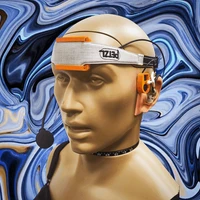
In crowded settings, the human brain can focus on speech from a target speaker, given prior knowledge of how they sound. We introduce a novel intelligent hearable system that achieves this capability, enabling target speech hearing to ignore all interfering speech and noise, but the target speaker. A naive approach is to require a clean speech example to enroll the target speaker. This is however not well aligned with the hearable application domain since obtaining a clean example is challenging in real world scenarios, creating a unique user interface problem. We present the first enrollment interface where the wearer looks at the target speaker for a few seconds to capture a single, short, highly noisy, binaural example of the target speaker. This noisy example is used for enrollment and subsequent speech extraction in the presence of interfering speakers and noise. Our system achieves a signal quality improvement of 7.01 dB using less than 5 seconds of noisy enrollment audio and can process 8 ms of audio chunks in 6.24 ms on an embedded CPU. Our user studies demonstrate generalization to real-world static and mobile speakers in previously unseen indoor and outdoor multipath environments. Finally, our enrollment interface for noisy examples does not cause performance degradation compared to clean examples, while being convenient and user-friendly. Taking a step back, this paper takes an important step towards enhancing the human auditory perception with artificial intelligence. We provide code and data at: https://github.com/vb000/LookOnceToHear.

  • 5 authors
·
May 10, 2024

NoiseShift: Resolution-Aware Noise Recalibration for Better Low-Resolution Image Generation

Text-to-image diffusion models trained on a fixed set of resolutions often fail to generalize, even when asked to generate images at lower resolutions than those seen during training. High-resolution text-to-image generators are currently unable to easily offer an out-of-the-box budget-efficient alternative to their users who might not need high-resolution images. We identify a key technical insight in diffusion models that when addressed can help tackle this limitation: Noise schedulers have unequal perceptual effects across resolutions. The same level of noise removes disproportionately more signal from lower-resolution images than from high-resolution images, leading to a train-test mismatch. We propose NoiseShift, a training-free method that recalibrates the noise level of the denoiser conditioned on resolution size. NoiseShift requires no changes to model architecture or sampling schedule and is compatible with existing models. When applied to Stable Diffusion 3, Stable Diffusion 3.5, and Flux-Dev, quality at low resolutions is significantly improved. On LAION-COCO, NoiseShift improves SD3.5 by 15.89%, SD3 by 8.56%, and Flux-Dev by 2.44% in FID on average. On CelebA, NoiseShift improves SD3.5 by 10.36%, SD3 by 5.19%, and Flux-Dev by 3.02% in FID on average. These results demonstrate the effectiveness of NoiseShift in mitigating resolution-dependent artifacts and enhancing the quality of low-resolution image generation.

  • 4 authors
·
Oct 2, 2025

Adapter-Based Multi-Agent AVSR Extension for Pre-Trained ASR Models

We present an approach to Audio-Visual Speech Recognition that builds on a pre-trained Whisper model. To infuse visual information into this audio-only model, we extend it with an AV fusion module and LoRa adapters, one of the most up-to-date adapter approaches. One advantage of adapter-based approaches, is that only a relatively small number of parameters are trained, while the basic model remains unchanged. Common AVSR approaches train single models to handle several noise categories and noise levels simultaneously. Taking advantage of the lightweight nature of adapter approaches, we train noise-scenario-specific adapter-sets, each covering individual noise-categories or a specific noise-level range. The most suitable adapter-set is selected by previously classifying the noise-scenario. This enables our models to achieve an optimum coverage across different noise-categories and noise-levels, while training only a minimum number of parameters. Compared to a full fine-tuning approach with SOTA performance our models achieve almost comparable results over the majority of the tested noise-categories and noise-levels, with up to 88.5% less trainable parameters. Our approach can be extended by further noise-specific adapter-sets to cover additional noise scenarios. It is also possible to utilize the underlying powerful ASR model when no visual information is available, as it remains unchanged.

  • 3 authors
·
Feb 3, 2025

Noisy Test-Time Adaptation in Vision-Language Models

Test-time adaptation (TTA) aims to address distribution shifts between source and target data by relying solely on target data during testing. In open-world scenarios, models often encounter noisy samples, i.e., samples outside the in-distribution (ID) label space. Leveraging the zero-shot capability of pre-trained vision-language models (VLMs), this paper introduces Zero-Shot Noisy TTA (ZS-NTTA), focusing on adapting the model to target data with noisy samples during test-time in a zero-shot manner. We find existing TTA methods underperform under ZS-NTTA, often lagging behind even the frozen model. We conduct comprehensive experiments to analyze this phenomenon, revealing that the negative impact of unfiltered noisy data outweighs the benefits of clean data during model updating. Also, adapting a classifier for ID classification and noise detection hampers both sub-tasks. Built on this, we propose a framework that decouples the classifier and detector, focusing on developing an individual detector while keeping the classifier frozen. Technically, we introduce the Adaptive Noise Detector (AdaND), which utilizes the frozen model's outputs as pseudo-labels to train a noise detector. To handle clean data streams, we further inject Gaussian noise during adaptation, preventing the detector from misclassifying clean samples as noisy. Beyond the ZS-NTTA, AdaND can also improve the zero-shot out-of-distribution (ZS-OOD) detection ability of VLMs. Experiments show that AdaND outperforms in both ZS-NTTA and ZS-OOD detection. On ImageNet, AdaND achieves a notable improvement of 8.32% in harmonic mean accuracy (Acc_H) for ZS-NTTA and 9.40% in FPR95 for ZS-OOD detection, compared to SOTA methods. Importantly, AdaND is computationally efficient and comparable to the model-frozen method. The code is publicly available at: https://github.com/tmlr-group/ZS-NTTA.

  • 7 authors
·
Feb 20, 2025

Noise Augmented Fine Tuning for Mitigating Hallucinations in Large Language Models

Large language models (LLMs) often produce inaccurate or misleading content-hallucinations. To address this challenge, we introduce Noise-Augmented Fine-Tuning (NoiseFiT), a novel framework that leverages adaptive noise injection based on the signal-to-noise ratio (SNR) to enhance model robustness. In particular, NoiseFiT selectively perturbs layers identified as either high-SNR (more robust) or low-SNR (potentially under-regularized) using a dynamically scaled Gaussian noise. We further propose a hybrid loss that combines standard cross-entropy, soft cross-entropy, and consistency regularization to ensure stable and accurate outputs under noisy training conditions. Our theoretical analysis shows that adaptive noise injection is both unbiased and variance-preserving, providing strong guarantees for convergence in expectation. Empirical results on multiple test and benchmark datasets demonstrate that NoiseFiT significantly reduces hallucination rates, often improving or matching baseline performance in key tasks. These findings highlight the promise of noise-driven strategies for achieving robust, trustworthy language modeling without incurring prohibitive computational overhead. Given the comprehensive and detailed nature of our experiments, we have publicly released the fine-tuning logs, benchmark evaluation artifacts, and source code online at W&B, Hugging Face, and GitHub, respectively, to foster further research, accessibility and reproducibility.

  • 4 authors
·
Apr 4, 2025

The Intel Neuromorphic DNS Challenge

A critical enabler for progress in neuromorphic computing research is the ability to transparently evaluate different neuromorphic solutions on important tasks and to compare them to state-of-the-art conventional solutions. The Intel Neuromorphic Deep Noise Suppression Challenge (Intel N-DNS Challenge), inspired by the Microsoft DNS Challenge, tackles a ubiquitous and commercially relevant task: real-time audio denoising. Audio denoising is likely to reap the benefits of neuromorphic computing due to its low-bandwidth, temporal nature and its relevance for low-power devices. The Intel N-DNS Challenge consists of two tracks: a simulation-based algorithmic track to encourage algorithmic innovation, and a neuromorphic hardware (Loihi 2) track to rigorously evaluate solutions. For both tracks, we specify an evaluation methodology based on energy, latency, and resource consumption in addition to output audio quality. We make the Intel N-DNS Challenge dataset scripts and evaluation code freely accessible, encourage community participation with monetary prizes, and release a neuromorphic baseline solution which shows promising audio quality, high power efficiency, and low resource consumption when compared to Microsoft NsNet2 and a proprietary Intel denoising model used in production. We hope the Intel N-DNS Challenge will hasten innovation in neuromorphic algorithms research, especially in the area of training tools and methods for real-time signal processing. We expect the winners of the challenge will demonstrate that for problems like audio denoising, significant gains in power and resources can be realized on neuromorphic devices available today compared to conventional state-of-the-art solutions.

  • 8 authors
·
Mar 16, 2023

Adaptive Convolution for CNN-based Speech Enhancement Models

Deep learning-based speech enhancement methods have significantly improved speech quality and intelligibility. Convolutional neural networks (CNNs) have been proven to be essential components of many high-performance models. In this paper, we introduce adaptive convolution, an efficient and versatile convolutional module that enhances the model's capability to adaptively represent speech signals. Adaptive convolution performs frame-wise causal dynamic convolution, generating time-varying kernels for each frame by assembling multiple parallel candidate kernels. A lightweight attention mechanism is proposed for adaptive convolution, leveraging both current and historical information to assign adaptive weights to each candidate kernel. This enables the convolution operation to adapt to frame-level speech spectral features, leading to more efficient extraction and reconstruction. We integrate adaptive convolution into various CNN-based models, highlighting its generalizability. Experimental results demonstrate that adaptive convolution significantly improves the performance with negligible increases in computational complexity, especially for lightweight models. Moreover, we present an intuitive analysis revealing a strong correlation between kernel selection and signal characteristics. Furthermore, we propose the adaptive convolutional recurrent network (AdaptCRN), an ultra-lightweight model that incorporates adaptive convolution and an efficient encoder-decoder design, achieving superior performance compared to models with similar or even higher computational costs.

  • 6 authors
·
Feb 19, 2025

Controllable Longer Image Animation with Diffusion Models

Generating realistic animated videos from static images is an important area of research in computer vision. Methods based on physical simulation and motion prediction have achieved notable advances, but they are often limited to specific object textures and motion trajectories, failing to exhibit highly complex environments and physical dynamics. In this paper, we introduce an open-domain controllable image animation method using motion priors with video diffusion models. Our method achieves precise control over the direction and speed of motion in the movable region by extracting the motion field information from videos and learning moving trajectories and strengths. Current pretrained video generation models are typically limited to producing very short videos, typically less than 30 frames. In contrast, we propose an efficient long-duration video generation method based on noise reschedule specifically tailored for image animation tasks, facilitating the creation of videos over 100 frames in length while maintaining consistency in content scenery and motion coordination. Specifically, we decompose the denoise process into two distinct phases: the shaping of scene contours and the refining of motion details. Then we reschedule the noise to control the generated frame sequences maintaining long-distance noise correlation. We conducted extensive experiments with 10 baselines, encompassing both commercial tools and academic methodologies, which demonstrate the superiority of our method. Our project page: https://wangqiang9.github.io/Controllable.github.io/

  • 5 authors
·
May 27, 2024

Understanding the Effect of Noise in LLM Training Data with Algorithmic Chains of Thought

During both pretraining and fine-tuning, Large Language Models (LLMs) are trained on trillions of tokens of text of widely varying quality. Both phases of training typically involve heuristically filtering out ``low-quality'' or noisy training samples, yet little is known quantitatively about how the type or intensity of noise affects downstream performance. In this work, we study how noise in chain of thought (CoT) impacts task performance in the highly-controlled setting of algorithmically solvable tasks. First, we develop the Traced Integer (TInt) framework to generate highly customizable noised execution traces for any arithmetic function on lists of integers. We then define two types of noise: static noise, a local form of noise which is applied after the CoT trace is computed, and dynamic noise, a global form of noise which propagates errors in the trace as it is computed. We then evaluate the test performance of pretrained models both prompted and fine-tuned on noised datasets with varying levels of dataset contamination and intensity. We find fine-tuned models are extremely robust to high levels of static noise but struggle significantly more with lower levels of dynamic noise. In contrast, few-shot prompted models appear more sensitive to even static noise. We conclude with a discussion of how our findings impact noise filtering best-practices, in particular emphasizing the importance of removing samples containing destructive dynamic noise with global errors.

  • 2 authors
·
Feb 6, 2024

End-to-End Complex-Valued Multidilated Convolutional Neural Network for Joint Acoustic Echo Cancellation and Noise Suppression

Echo and noise suppression is an integral part of a full-duplex communication system. Many recent acoustic echo cancellation (AEC) systems rely on a separate adaptive filtering module for linear echo suppression and a neural module for residual echo suppression. However, not only do adaptive filtering modules require convergence and remain susceptible to changes in acoustic environments, but this two-stage framework also often introduces unnecessary delays to the AEC system when neural modules are already capable of both linear and nonlinear echo suppression. In this paper, we exploit the offset-compensating ability of complex time-frequency masks and propose an end-to-end complex-valued neural network architecture. The building block of the proposed model is a pseudocomplex extension based on the densely-connected multidilated DenseNet (D3Net) building block, resulting in a very small network of only 354K parameters. The architecture utilized the multi-resolution nature of the D3Net building blocks to eliminate the need for pooling, allowing the network to extract features using large receptive fields without any loss of output resolution. We also propose a dual-mask technique for joint echo and noise suppression with simultaneous speech enhancement. Evaluation on both synthetic and real test sets demonstrated promising results across multiple energy-based metrics and perceptual proxies.

  • 5 authors
·
Oct 2, 2021

ARAUS: A Large-Scale Dataset and Baseline Models of Affective Responses to Augmented Urban Soundscapes

Choosing optimal maskers for existing soundscapes to effect a desired perceptual change via soundscape augmentation is non-trivial due to extensive varieties of maskers and a dearth of benchmark datasets with which to compare and develop soundscape augmentation models. To address this problem, we make publicly available the ARAUS (Affective Responses to Augmented Urban Soundscapes) dataset, which comprises a five-fold cross-validation set and independent test set totaling 25,440 unique subjective perceptual responses to augmented soundscapes presented as audio-visual stimuli. Each augmented soundscape is made by digitally adding "maskers" (bird, water, wind, traffic, construction, or silence) to urban soundscape recordings at fixed soundscape-to-masker ratios. Responses were then collected by asking participants to rate how pleasant, annoying, eventful, uneventful, vibrant, monotonous, chaotic, calm, and appropriate each augmented soundscape was, in accordance with ISO 12913-2:2018. Participants also provided relevant demographic information and completed standard psychological questionnaires. We perform exploratory and statistical analysis of the responses obtained to verify internal consistency and agreement with known results in the literature. Finally, we demonstrate the benchmarking capability of the dataset by training and comparing four baseline models for urban soundscape pleasantness: a low-parameter regression model, a high-parameter convolutional neural network, and two attention-based networks in the literature.

  • 6 authors
·
Jul 3, 2022

Autonomous In-Situ Soundscape Augmentation via Joint Selection of Masker and Gain

The selection of maskers and playback gain levels in a soundscape augmentation system is crucial to its effectiveness in improving the overall acoustic comfort of a given environment. Traditionally, the selection of appropriate maskers and gain levels has been informed by expert opinion, which may not representative of the target population, or by listening tests, which can be time-consuming and labour-intensive. Furthermore, the resulting static choices of masker and gain are often inflexible to the dynamic nature of real-world soundscapes. In this work, we utilized a deep learning model to perform joint selection of the optimal masker and its gain level for a given soundscape. The proposed model was designed with highly modular building blocks, allowing for an optimized inference process that can quickly search through a large number of masker and gain combinations. In addition, we introduced the use of feature-domain soundscape augmentation conditioned on the digital gain level, eliminating the computationally expensive waveform-domain mixing process during inference time, as well as the tedious pre-calibration process required for new maskers. The proposed system was validated on a large-scale dataset of subjective responses to augmented soundscapes with more than 440 participants, ensuring the ability of the model to predict combined effect of the masker and its gain level on the perceptual pleasantness level.

  • 6 authors
·
Apr 29, 2022

One More Step: A Versatile Plug-and-Play Module for Rectifying Diffusion Schedule Flaws and Enhancing Low-Frequency Controls

It is well known that many open-released foundational diffusion models have difficulty in generating images that substantially depart from average brightness, despite such images being present in the training data. This is due to an inconsistency: while denoising starts from pure Gaussian noise during inference, the training noise schedule retains residual data even in the final timestep distribution, due to difficulties in numerical conditioning in mainstream formulation, leading to unintended bias during inference. To mitigate this issue, certain epsilon-prediction models are combined with an ad-hoc offset-noise methodology. In parallel, some contemporary models have adopted zero-terminal SNR noise schedules together with v-prediction, which necessitate major alterations to pre-trained models. However, such changes risk destabilizing a large multitude of community-driven applications anchored on these pre-trained models. In light of this, our investigation revisits the fundamental causes, leading to our proposal of an innovative and principled remedy, called One More Step (OMS). By integrating a compact network and incorporating an additional simple yet effective step during inference, OMS elevates image fidelity and harmonizes the dichotomy between training and inference, while preserving original model parameters. Once trained, various pre-trained diffusion models with the same latent domain can share the same OMS module.

  • 6 authors
·
Nov 27, 2023

Fast FullSubNet: Accelerate Full-band and Sub-band Fusion Model for Single-channel Speech Enhancement

FullSubNet is our recently proposed real-time single-channel speech enhancement network that achieves outstanding performance on the Deep Noise Suppression (DNS) Challenge dataset. A number of variants of FullSubNet have been proposed, but they all focus on the structure design towards better performance and are rarely concerned with computational efficiency. For many speech enhancement applications, a key feature is that system runs on a real-time, latency-sensitive, battery-powered platform, which strictly limits the algorithm latency and computational complexity. In this work, we propose a new architecture named Fast FullSubNet dedicated to accelerating the computation of FullSubNet. Specifically, Fast FullSubNet processes sub-band speech spectra in the mel-frequency domain by using cascaded linear-to-mel full-band, sub-band, and mel-to-linear full-band models such that frequencies involved in the sub-band computation are vastly reduced. After that, a down-sampling operation is proposed for the sub-band input sequence to further reduce the computational complexity along the time axis. Experimental results show that, compared to FullSubNet, Fast FullSubNet has only 13\% computational complexity and 16\% processing time, and achieves comparable or even better performance. Code and audio samples are available at https://github.com/Audio-WestlakeU/FullSubNet.

  • 2 authors
·
Dec 18, 2022

DPDFNet: Boosting DeepFilterNet2 via Dual-Path RNN

We present DPDFNet, a causal single-channel speech enhancement model that extends DeepFilterNet2 architecture with dual-path blocks in the encoder, strengthening long-range temporal and cross-band modeling while preserving the original enhancement framework. In addition, we demonstrate that adding a loss component to mitigate over-attenuation in the enhanced speech, combined with a fine-tuning phase tailored for "always-on" applications, leads to substantial improvements in overall model performance. To compare our proposed architecture with a variety of causal open-source models, we created a new evaluation set comprising long, low-SNR recordings in 12 languages across everyday noise scenarios, better reflecting real-world conditions than commonly used benchmarks. On this evaluation set, DPDFNet delivers superior performance to other causal open-source models, including some that are substantially larger and more computationally demanding. We also propose an holistic metric named PRISM, a composite, scale-normalized aggregate of intrusive and non-intrusive metrics, which demonstrates clear scalability with the number of dual-path blocks. We further demonstrate on-device feasibility by deploying DPDFNet on Ceva-NeuPro-Nano edge NPUs. Results indicate that DPDFNet-4, our second-largest model, achieves real-time performance on NPN32 and runs even faster on NPN64, confirming that state-of-the-art quality can be sustained within strict embedded power and latency constraints.

  • 3 authors
·
Dec 18, 2025

Enhancing Diffusion Models for High-Quality Image Generation

This report presents the comprehensive implementation, evaluation, and optimization of Denoising Diffusion Probabilistic Models (DDPMs) and Denoising Diffusion Implicit Models (DDIMs), which are state-of-the-art generative models. During inference, these models take random noise as input and iteratively generate high-quality images as output. The study focuses on enhancing their generative capabilities by incorporating advanced techniques such as Classifier-Free Guidance (CFG), Latent Diffusion Models with Variational Autoencoders (VAE), and alternative noise scheduling strategies. The motivation behind this work is the growing demand for efficient and scalable generative AI models that can produce realistic images across diverse datasets, addressing challenges in applications such as art creation, image synthesis, and data augmentation. Evaluations were conducted on datasets including CIFAR-10 and ImageNet-100, with a focus on improving inference speed, computational efficiency, and image quality metrics like Frechet Inception Distance (FID). Results demonstrate that DDIM + CFG achieves faster inference and superior image quality. Challenges with VAE and noise scheduling are also highlighted, suggesting opportunities for future optimization. This work lays the groundwork for developing scalable, efficient, and high-quality generative AI systems to benefit industries ranging from entertainment to robotics.

  • 3 authors
·
Dec 18, 2024

NegVSR: Augmenting Negatives for Generalized Noise Modeling in Real-World Video Super-Resolution

The capability of video super-resolution (VSR) to synthesize high-resolution (HR) video from ideal datasets has been demonstrated in many works. However, applying the VSR model to real-world video with unknown and complex degradation remains a challenging task. First, existing degradation metrics in most VSR methods are not able to effectively simulate real-world noise and blur. On the contrary, simple combinations of classical degradation are used for real-world noise modeling, which led to the VSR model often being violated by out-of-distribution noise. Second, many SR models focus on noise simulation and transfer. Nevertheless, the sampled noise is monotonous and limited. To address the aforementioned problems, we propose a Negatives augmentation strategy for generalized noise modeling in Video Super-Resolution (NegVSR) task. Specifically, we first propose sequential noise generation toward real-world data to extract practical noise sequences. Then, the degeneration domain is widely expanded by negative augmentation to build up various yet challenging real-world noise sets. We further propose the augmented negative guidance loss to learn robust features among augmented negatives effectively. Extensive experiments on real-world datasets (e.g., VideoLQ and FLIR) show that our method outperforms state-of-the-art methods with clear margins, especially in visual quality.

  • 6 authors
·
May 23, 2023 1

RealMAN: A Real-Recorded and Annotated Microphone Array Dataset for Dynamic Speech Enhancement and Localization

The training of deep learning-based multichannel speech enhancement and source localization systems relies heavily on the simulation of room impulse response and multichannel diffuse noise, due to the lack of large-scale real-recorded datasets. However, the acoustic mismatch between simulated and real-world data could degrade the model performance when applying in real-world scenarios. To bridge this simulation-to-real gap, this paper presents a new relatively large-scale Real-recorded and annotated Microphone Array speech&Noise (RealMAN) dataset. The proposed dataset is valuable in two aspects: 1) benchmarking speech enhancement and localization algorithms in real scenarios; 2) offering a substantial amount of real-world training data for potentially improving the performance of real-world applications. Specifically, a 32-channel array with high-fidelity microphones is used for recording. A loudspeaker is used for playing source speech signals. A total of 83-hour speech signals (48 hours for static speaker and 35 hours for moving speaker) are recorded in 32 different scenes, and 144 hours of background noise are recorded in 31 different scenes. Both speech and noise recording scenes cover various common indoor, outdoor, semi-outdoor and transportation environments, which enables the training of general-purpose speech enhancement and source localization networks. To obtain the task-specific annotations, the azimuth angle of the loudspeaker is annotated with an omni-direction fisheye camera by automatically detecting the loudspeaker. The direct-path signal is set as the target clean speech for speech enhancement, which is obtained by filtering the source speech signal with an estimated direct-path propagation filter.

  • 10 authors
·
Jun 28, 2024

When De-noising Hurts: A Systematic Study of Speech Enhancement Effects on Modern Medical ASR Systems

Speech enhancement methods are commonly believed to improve the performance of automatic speech recognition (ASR) in noisy environments. However, the effectiveness of these techniques cannot be taken for granted in the case of modern large-scale ASR models trained on diverse, noisy data. We present a systematic evaluation of MetricGAN-plus-voicebank denoising on four state-of-the-art ASR systems: OpenAI Whisper, NVIDIA Parakeet, Google Gemini Flash 2.0, Parrotlet-a using 500 medical speech recordings under nine noise conditions. ASR performance is measured using semantic WER (semWER), a normalized word error rate (WER) metric accounting for domain-specific normalizations. Our results reveal a counterintuitive finding: speech enhancement preprocessing degrades ASR performance across all noise conditions and models. Original noisy audio achieves lower semWER than enhanced audio in all 40 tested configurations (4 models x 10 conditions), with degradations ranging from 1.1% to 46.6% absolute semWER increase. These findings suggest that modern ASR models possess sufficient internal noise robustness and that traditional speech enhancement may remove acoustic features critical for ASR. For practitioners deploying medical scribe systems in noisy clinical environments, our results indicate that preprocessing audio with noise reduction techniques might not just be computationally wasteful but also be potentially harmful to the transcription accuracy.

  • 11 authors
·
Dec 19, 2025

DeepSoCS: A Neural Scheduler for Heterogeneous System-on-Chip (SoC) Resource Scheduling

In this paper, we~present a novel scheduling solution for a class of System-on-Chip (SoC) systems where heterogeneous chip resources (DSP, FPGA, GPU, etc.) must be efficiently scheduled for continuously arriving hierarchical jobs with their tasks represented by a directed acyclic graph. Traditionally, heuristic algorithms have been widely used for many resource scheduling domains, and Heterogeneous Earliest Finish Time (HEFT) has been a dominating state-of-the-art technique across a broad range of heterogeneous resource scheduling domains over many years. Despite their long-standing popularity, HEFT-like algorithms are known to be vulnerable to a small amount of noise added to the environment. Our Deep Reinforcement Learning (DRL)-based SoC Scheduler (DeepSoCS), capable of learning the "best" task ordering under dynamic environment changes, overcomes the brittleness of rule-based schedulers such as HEFT with significantly higher performance across different types of jobs. We~describe a DeepSoCS design process using a real-time heterogeneous SoC scheduling emulator, discuss major challenges, and present two novel neural network design features that lead to outperforming HEFT: (i) hierarchical job- and task-graph embedding; and (ii) efficient use of real-time task information in the state space. Furthermore, we~introduce effective techniques to address two fundamental challenges present in our environment: delayed consequences and joint actions. Through an extensive simulation study, we~show that our DeepSoCS exhibits the significantly higher performance of job execution time than that of HEFT with a higher level of robustness under realistic noise conditions. We~conclude with a discussion of the potential improvements for our DeepSoCS neural scheduler.

  • 6 authors
·
May 15, 2020

A Dataset of Dynamic Reverberant Sound Scenes with Directional Interferers for Sound Event Localization and Detection

This report presents the dataset and baseline of Task 3 of the DCASE2021 Challenge on Sound Event Localization and Detection (SELD). The dataset is based on emulation of real recordings of static or moving sound events under real conditions of reverberation and ambient noise, using spatial room impulse responses captured in a variety of rooms and delivered in two spatial formats. The acoustical synthesis remains the same as in the previous iteration of the challenge, however the new dataset brings more challenging conditions of polyphony and overlapping instances of the same class. The most important difference of the new dataset is the introduction of directional interferers, meaning sound events that are localized in space but do not belong to the target classes to be detected and are not annotated. Since such interfering events are expected in every real-world scenario of SELD, the new dataset aims to promote systems that deal with this condition effectively. A modified SELDnet baseline employing the recent ACCDOA representation of SELD problems accompanies the dataset and it is shown to outperform the previous one. The new dataset is shown to be significantly more challenging for both baselines according to all considered metrics. To investigate the individual and combined effects of ambient noise, interferers, and reverberation, we study the performance of the baseline on different versions of the dataset excluding or including combinations of these factors. The results indicate that by far the most detrimental effects are caused by directional interferers.

  • 6 authors
·
Jun 13, 2021

Rolling Forcing: Autoregressive Long Video Diffusion in Real Time

Streaming video generation, as one fundamental component in interactive world models and neural game engines, aims to generate high-quality, low-latency, and temporally coherent long video streams. However, most existing work suffers from severe error accumulation that often significantly degrades the generated stream videos over long horizons. We design Rolling Forcing, a novel video generation technique that enables streaming long videos with minimal error accumulation. Rolling Forcing comes with three novel designs. First, instead of iteratively sampling individual frames, which accelerates error propagation, we design a joint denoising scheme that simultaneously denoises multiple frames with progressively increasing noise levels. This design relaxes the strict causality across adjacent frames, effectively suppressing error growth. Second, we introduce the attention sink mechanism into the long-horizon stream video generation task, which allows the model to keep key value states of initial frames as a global context anchor and thereby enhances long-term global consistency. Third, we design an efficient training algorithm that enables few-step distillation over largely extended denoising windows. This algorithm operates on non-overlapping windows and mitigates exposure bias conditioned on self-generated histories. Extensive experiments show that Rolling Forcing enables real-time streaming generation of multi-minute videos on a single GPU, with substantially reduced error accumulation.

TencentARC ARC Lab, Tencent PCG
·
Sep 29, 2025 3

FSMoE: A Flexible and Scalable Training System for Sparse Mixture-of-Experts Models

Recent large language models (LLMs) have tended to leverage sparsity to reduce computations, employing the sparsely activated mixture-of-experts (MoE) technique. MoE introduces four modules, including token routing, token communication, expert computation, and expert parallelism, that impact model quality and training efficiency. To enable versatile usage of MoE models, we introduce FSMoE, a flexible training system optimizing task scheduling with three novel techniques: 1) Unified abstraction and online profiling of MoE modules for task scheduling across various MoE implementations. 2) Co-scheduling intra-node and inter-node communications with computations to minimize communication overheads. 3) To support near-optimal task scheduling, we design an adaptive gradient partitioning method for gradient aggregation and a schedule to adaptively pipeline communications and computations. We conduct extensive experiments with configured MoE layers and real-world MoE models on two GPU clusters. Experimental results show that 1) our FSMoE supports four popular types of MoE routing functions and is more efficient than existing implementations (with up to a 1.42times speedup), and 2) FSMoE outperforms the state-of-the-art MoE training systems (DeepSpeed-MoE and Tutel) by 1.18times-1.22times on 1458 MoE layers and 1.19times-3.01times on real-world MoE models based on GPT-2 and Mixtral using a popular routing function.

  • 8 authors
·
Jan 18, 2025

A Semantically Consistent Dataset for Data-Efficient Query-Based Universal Sound Separation

Query-based universal sound separation is fundamental to intelligent auditory systems, aiming to isolate specific sources from mixtures. Despite recent advances, existing methods continue to suffer from residual interference in complex acoustic scenes. This performance limitation stems largely from a data bottleneck: in-the-wild datasets contain weak labels and severe co-occurrence of events. These flaws induce models to learn spurious correlations between background noise and target categories instead of robust acoustic features. To address this, we propose an automated pipeline that eliminates co-occurrence of events by mining high-purity single-event segments from in-the-wild datasets via a semantically consistent synthesis protocol. Utilizing this pipeline, we constructed Hive, a high-quality synthetic dataset comprising 2.4k hours of raw audio. Experimental results demonstrate that, compared with the state-of-the-art model SAM-Audio which was trained on a huge dataset sim500 times larger than Hive, certain open-source models trained on Hive achieve competitive separation accuracy and perceptual quality. Moreover, these models exhibited remarkable zero-shot generalization on out-of-distribution evaluation benchmarks. These findings highlight that prioritizing purity of supervised signals enables significant data efficiency, offering a new paradigm for training robust auditory foundation models with reduced computational costs. Code and dataset are available at https://shandaai.github.io/Hive.

AR-Diffusion: Asynchronous Video Generation with Auto-Regressive Diffusion

The task of video generation requires synthesizing visually realistic and temporally coherent video frames. Existing methods primarily use asynchronous auto-regressive models or synchronous diffusion models to address this challenge. However, asynchronous auto-regressive models often suffer from inconsistencies between training and inference, leading to issues such as error accumulation, while synchronous diffusion models are limited by their reliance on rigid sequence length. To address these issues, we introduce Auto-Regressive Diffusion (AR-Diffusion), a novel model that combines the strengths of auto-regressive and diffusion models for flexible, asynchronous video generation. Specifically, our approach leverages diffusion to gradually corrupt video frames in both training and inference, reducing the discrepancy between these phases. Inspired by auto-regressive generation, we incorporate a non-decreasing constraint on the corruption timesteps of individual frames, ensuring that earlier frames remain clearer than subsequent ones. This setup, together with temporal causal attention, enables flexible generation of videos with varying lengths while preserving temporal coherence. In addition, we design two specialized timestep schedulers: the FoPP scheduler for balanced timestep sampling during training, and the AD scheduler for flexible timestep differences during inference, supporting both synchronous and asynchronous generation. Extensive experiments demonstrate the superiority of our proposed method, which achieves competitive and state-of-the-art results across four challenging benchmarks.

  • 10 authors
·
Mar 10, 2025

Lost in the Noise: How Reasoning Models Fail with Contextual Distractors

Recent advances in reasoning models and agentic AI systems have led to an increased reliance on diverse external information. However, this shift introduces input contexts that are inherently noisy, a reality that current sanitized benchmarks fail to capture. We introduce NoisyBench, a comprehensive benchmark that systematically evaluates model robustness across 11 datasets in RAG, reasoning, alignment, and tool-use tasks against diverse noise types, including random documents, irrelevant chat histories, and hard negative distractors. Our evaluation reveals a catastrophic performance drop of up to 80% in state-of-the-art models when faced with contextual distractors. Crucially, we find that agentic workflows often amplify these errors by over-trusting noisy tool outputs, and distractors can trigger emergent misalignment even without adversarial intent. We find that prompting, context engineering, SFT, and outcome-reward only RL fail to ensure robustness; in contrast, our proposed Rationale-Aware Reward (RARE) significantly strengthens resilience by incentivizing the identification of helpful information within noise. Finally, we uncover an inverse scaling trend where increased test-time computation leads to worse performance in noisy settings and demonstrate via attention visualization that models disproportionately focus on distractor tokens, providing vital insights for building the next generation of robust, reasoning-capable agents.

kaist-ai KAIST AI
·
Jan 12 3

Video DataFlywheel: Resolving the Impossible Data Trinity in Video-Language Understanding

Recently, video-language understanding has achieved great success through large-scale pre-training. However, data scarcity remains a prevailing challenge. This study quantitatively reveals an "impossible trinity" among data quantity, diversity, and quality in pre-training datasets. Recent efforts seek to refine large-scale, diverse ASR datasets compromised by low quality through synthetic annotations. These methods successfully leverage useful information in multimodal video content (frames, tags, ASR transcripts, etc.) to refine the original annotations. Nevertheless, they struggle to mitigate noise within synthetic annotations and lack scalability as the dataset size expands. To address these issues, we introduce the Video DataFlywheel framework, which iteratively refines video annotations with improved noise control methods. For iterative refinement, we first leverage a video-language model to generate synthetic annotations, resulting in a refined dataset. Then, we pre-train on it and fine-tune on human refinement examples for a stronger model. These processes are repeated for continuous improvement. For noise control, we present AdaTaiLr, a novel noise control method that requires weaker assumptions on noise distribution, thereby proving more effective in large datasets with theoretical guarantees. The combination of iterative refinement and AdaTaiLr can achieve better scalability in video-language understanding. Extensive experiments show that our framework outperforms existing data refinement baselines, delivering a 3% performance boost and improving dataset quality with minimal diversity loss. Furthermore, our refined dataset facilitates significant improvements in various video-language understanding tasks, including video question answering and text-video retrieval.

  • 6 authors
·
Sep 28, 2024

Large Language Models are Efficient Learners of Noise-Robust Speech Recognition

Recent advances in large language models (LLMs) have promoted generative error correction (GER) for automatic speech recognition (ASR), which leverages the rich linguistic knowledge and powerful reasoning ability of LLMs to improve recognition results. The latest work proposes a GER benchmark with HyPoradise dataset to learn the mapping from ASR N-best hypotheses to ground-truth transcription by efficient LLM finetuning, which shows great effectiveness but lacks specificity on noise-robust ASR. In this work, we extend the benchmark to noisy conditions and investigate if we can teach LLMs to perform denoising for GER just like what robust ASR do}, where one solution is introducing noise information as a conditioner into LLM. However, directly incorporating noise embeddings from audio encoder could harm the LLM tuning due to cross-modality gap. To this end, we propose to extract a language-space noise embedding from the N-best list to represent the noise conditions of source speech, which can promote the denoising process in GER. Furthermore, in order to enhance its representation ability of audio noise, we design a knowledge distillation (KD) approach via mutual information estimation to distill the real noise information in audio embeddings to our language embedding. Experiments on various latest LLMs demonstrate our approach achieves a new breakthrough with up to 53.9% correction improvement in terms of word error rate while with limited training data. Analysis shows that our language-space noise embedding can well represent the noise conditions of source speech, under which off-the-shelf LLMs show strong ability of language-space denoising.

  • 7 authors
·
Jan 18, 2024

CLIPSep: Learning Text-queried Sound Separation with Noisy Unlabeled Videos

Recent years have seen progress beyond domain-specific sound separation for speech or music towards universal sound separation for arbitrary sounds. Prior work on universal sound separation has investigated separating a target sound out of an audio mixture given a text query. Such text-queried sound separation systems provide a natural and scalable interface for specifying arbitrary target sounds. However, supervised text-queried sound separation systems require costly labeled audio-text pairs for training. Moreover, the audio provided in existing datasets is often recorded in a controlled environment, causing a considerable generalization gap to noisy audio in the wild. In this work, we aim to approach text-queried universal sound separation by using only unlabeled data. We propose to leverage the visual modality as a bridge to learn the desired audio-textual correspondence. The proposed CLIPSep model first encodes the input query into a query vector using the contrastive language-image pretraining (CLIP) model, and the query vector is then used to condition an audio separation model to separate out the target sound. While the model is trained on image-audio pairs extracted from unlabeled videos, at test time we can instead query the model with text inputs in a zero-shot setting, thanks to the joint language-image embedding learned by the CLIP model. Further, videos in the wild often contain off-screen sounds and background noise that may hinder the model from learning the desired audio-textual correspondence. To address this problem, we further propose an approach called noise invariant training for training a query-based sound separation model on noisy data. Experimental results show that the proposed models successfully learn text-queried universal sound separation using only noisy unlabeled videos, even achieving competitive performance against a supervised model in some settings.

  • 5 authors
·
Dec 14, 2022

SwiftF0: Fast and Accurate Monophonic Pitch Detection

Accurate and real-time monophonic pitch estimation in noisy conditions, particularly on resource-constrained devices, remains an open challenge in audio processing. We present SwiftF0, a novel, lightweight neural model that sets a new state-of-the-art for monophonic pitch estimation. Through training on diverse speech, music, and synthetic datasets with extensive data augmentation, SwiftF0 achieves robust generalization across acoustic domains while maintaining computational efficiency. SwiftF0 achieves a 91.80\% harmonic mean (HM) at 10 dB SNR, outperforming baselines like CREPE by over 12 percentage points and degrading by only 2.3 points from clean audio. SwiftF0 requires only 95,842 parameters and runs approximately 42x faster than CREPE on CPU, making it ideal for efficient, real-time deployment. To address the critical lack of perfectly accurate ground truth pitch in speech corpora (which typically rely on algorithmic estimators or laryngograph signals), we introduce SpeechSynth. This synthetic speech dataset, generated by a phoneme-level TTS model, provides exact, on-demand ground-truth pitch curves, enabling more robust model training and evaluation. Furthermore, we propose a unified metric, combining six complementary performance measures for comprehensive and reliable pitch evaluation, and release an open-source pitch benchmark suite. A live demo of SwiftF0 is available at https://swift-f0.github.io/, the source code at https://github.com/lars76/swift-f0, and the benchmark framework at https://github.com/lars76/pitch-benchmark.

  • 1 authors
·
Aug 25, 2025

ClearBuds: Wireless Binaural Earbuds for Learning-Based Speech Enhancement

We present ClearBuds, the first hardware and software system that utilizes a neural network to enhance speech streamed from two wireless earbuds. Real-time speech enhancement for wireless earbuds requires high-quality sound separation and background cancellation, operating in real-time and on a mobile phone. Clear-Buds bridges state-of-the-art deep learning for blind audio source separation and in-ear mobile systems by making two key technical contributions: 1) a new wireless earbud design capable of operating as a synchronized, binaural microphone array, and 2) a lightweight dual-channel speech enhancement neural network that runs on a mobile device. Our neural network has a novel cascaded architecture that combines a time-domain conventional neural network with a spectrogram-based frequency masking neural network to reduce the artifacts in the audio output. Results show that our wireless earbuds achieve a synchronization error less than 64 microseconds and our network has a runtime of 21.4 milliseconds on an accompanying mobile phone. In-the-wild evaluation with eight users in previously unseen indoor and outdoor multipath scenarios demonstrates that our neural network generalizes to learn both spatial and acoustic cues to perform noise suppression and background speech removal. In a user-study with 37 participants who spent over 15.4 hours rating 1041 audio samples collected in-the-wild, our system achieves improved mean opinion score and background noise suppression. Project page with demos: https://clearbuds.cs.washington.edu

  • 7 authors
·
Jun 27, 2022

Golden Noise for Diffusion Models: A Learning Framework

Text-to-image diffusion model is a popular paradigm that synthesizes personalized images by providing a text prompt and a random Gaussian noise. While people observe that some noises are ``golden noises'' that can achieve better text-image alignment and higher human preference than others, we still lack a machine learning framework to obtain those golden noises. To learn golden noises for diffusion sampling, we mainly make three contributions in this paper. First, we identify a new concept termed the noise prompt, which aims at turning a random Gaussian noise into a golden noise by adding a small desirable perturbation derived from the text prompt. Following the concept, we first formulate the noise prompt learning framework that systematically learns ``prompted'' golden noise associated with a text prompt for diffusion models. Second, we design a noise prompt data collection pipeline and collect a large-scale noise prompt dataset~(NPD) that contains 100k pairs of random noises and golden noises with the associated text prompts. With the prepared NPD as the training dataset, we trained a small noise prompt network~(NPNet) that can directly learn to transform a random noise into a golden noise. The learned golden noise perturbation can be considered as a kind of prompt for noise, as it is rich in semantic information and tailored to the given text prompt. Third, our extensive experiments demonstrate the impressive effectiveness and generalization of NPNet on improving the quality of synthesized images across various diffusion models, including SDXL, DreamShaper-xl-v2-turbo, and Hunyuan-DiT. Moreover, NPNet is a small and efficient controller that acts as a plug-and-play module with very limited additional inference and computational costs, as it just provides a golden noise instead of a random noise without accessing the original pipeline.

  • 6 authors
·
Nov 14, 2024

Analysis-Driven Procedural Generation of an Engine Sound Dataset with Embedded Control Annotations

Computational engine sound modeling is central to the automotive audio industry, particularly for active sound design, virtual prototyping, and emerging data-driven engine sound synthesis methods. These applications require large volumes of standardized, clean audio recordings with precisely time-aligned operating-state annotations: data that is difficult to obtain due to high costs, specialized measurement equipment requirements, and inevitable noise contamination. We present an analysis-driven framework for generating engine audio with sample-accurate control annotations. The method extracts harmonic structures from real recordings through pitch-adaptive spectral analysis, which then drive an extended parametric harmonic-plus-noise synthesizer. With this framework, we generate the Procedural Engine Sounds Dataset (19 hours, 5,935 files), a set of engine audio signals with sample-accurate RPM and torque annotations, spanning a wide range of operating conditions, signal complexities, and harmonic profiles. Comparison against real recordings validates that the synthesized data preserves characteristic harmonic structures, and baseline experiments confirm its suitability for learning-based parameter estimation and synthesis tasks. The dataset is released publicly to support research on engine timbre analysis, control parameter estimation, acoustic modeling and neural generative networks.

  • 2 authors
·
Mar 8