
Get trending papers in your email inbox once a day!
Get trending papers in your email inbox!
Subscribe
SRL: Scaling Distributed Reinforcement Learning to Over Ten Thousand Cores
The ever-growing complexity of reinforcement learning (RL) tasks demands a distributed RL system to efficiently generate and process a massive amount of data to train intelligent agents. However, existing open-source libraries suffer from various limitations, which impede their practical use in challenging scenarios where large-scale training is necessary. While industrial systems from OpenAI and DeepMind have achieved successful large-scale RL training, their system architecture and implementation details remain undisclosed to the community. In this paper, we present a novel abstraction on the dataflows of RL training, which unifies practical RL training across diverse applications into a general framework and enables fine-grained optimizations. Following this abstraction, we develop a scalable, efficient, and extensible distributed RL system called ReaLly Scalable RL (SRL). The system architecture of SRL separates major RL computation components and allows massively parallelized training. Moreover, SRL offers user-friendly and extensible interfaces for customized algorithms. Our evaluation shows that SRL outperforms existing academic libraries in both a single machine and a medium-sized cluster. In a large-scale cluster, the novel architecture of SRL leads to up to 3.7x speedup compared to the design choices adopted by the existing libraries. We also conduct a direct benchmark comparison to OpenAI's industrial system, Rapid, in the challenging hide-and-seek environment. SRL reproduces the same solution as reported by OpenAI with up to 5x speedup in wall-clock time. Furthermore, we also examine the performance of SRL in a much harder variant of the hide-and-seek environment and achieve substantial learning speedup by scaling SRL to over 15k CPU cores and 32 A100 GPUs. Notably, SRL is the first in the academic community to perform RL experiments at such a large scale.

RLAX: Large-Scale, Distributed Reinforcement Learning for Large Language Models on TPUs
Reinforcement learning (RL) has emerged as the de-facto paradigm for improving the reasoning capabilities of large language models (LLMs). We have developed RLAX, a scalable RL framework on TPUs. RLAX employs a parameter-server architecture. A master trainer periodically pushes updated model weights to the parameter server while a fleet of inference workers pull the latest weights and generates new rollouts. We introduce a suite of system techniques to enable scalable and preemptible RL for a diverse set of state-of-art RL algorithms. To accelerate convergence and improve model quality, we have devised new dataset curation and alignment techniques. Large-scale evaluations show that RLAX improves QwQ-32B's pass@8 accuracy by 12.8% in just 12 hours 48 minutes on 1024 v5p TPUs, while remaining robust to preemptions during training.
IMPALA: Scalable Distributed Deep-RL with Importance Weighted Actor-Learner Architectures
In this work we aim to solve a large collection of tasks using a single reinforcement learning agent with a single set of parameters. A key challenge is to handle the increased amount of data and extended training time. We have developed a new distributed agent IMPALA (Importance Weighted Actor-Learner Architecture) that not only uses resources more efficiently in single-machine training but also scales to thousands of machines without sacrificing data efficiency or resource utilisation. We achieve stable learning at high throughput by combining decoupled acting and learning with a novel off-policy correction method called V-trace. We demonstrate the effectiveness of IMPALA for multi-task reinforcement learning on DMLab-30 (a set of 30 tasks from the DeepMind Lab environment (Beattie et al., 2016)) and Atari-57 (all available Atari games in Arcade Learning Environment (Bellemare et al., 2013a)). Our results show that IMPALA is able to achieve better performance than previous agents with less data, and crucially exhibits positive transfer between tasks as a result of its multi-task approach.
Cleanba: A Reproducible and Efficient Distributed Reinforcement Learning Platform
Distributed Deep Reinforcement Learning (DRL) aims to leverage more computational resources to train autonomous agents with less training time. Despite recent progress in the field, reproducibility issues have not been sufficiently explored. This paper first shows that the typical actor-learner framework can have reproducibility issues even if hyperparameters are controlled. We then introduce Cleanba, a new open-source platform for distributed DRL that proposes a highly reproducible architecture. Cleanba implements highly optimized distributed variants of PPO and IMPALA. Our Atari experiments show that these variants can obtain equivalent or higher scores than strong IMPALA baselines in moolib and torchbeast and PPO baseline in CleanRL. However, Cleanba variants present 1) shorter training time and 2) more reproducible learning curves in different hardware settings. Cleanba's source code is available at https://github.com/vwxyzjn/cleanba



LlamaRL: A Distributed Asynchronous Reinforcement Learning Framework for Efficient Large-scale LLM Training
Reinforcement Learning (RL) has become the most effective post-training approach for improving the capabilities of Large Language Models (LLMs). In practice, because of the high demands on latency and memory, it is particularly challenging to develop an efficient RL framework that reliably manages policy models with hundreds to thousands of billions of parameters. In this paper, we present LlamaRL, a fully distributed, asynchronous RL framework optimized for efficient training of large-scale LLMs with various model sizes (8B, 70B, and 405B parameters) on GPU clusters ranging from a handful to thousands of devices. LlamaRL introduces a streamlined, single-controller architecture built entirely on native PyTorch, enabling modularity, ease of use, and seamless scalability to thousands of GPUs. We also provide a theoretical analysis of LlamaRL's efficiency, including a formal proof that its asynchronous design leads to strict RL speed-up. Empirically during the Llama 3 post-training, by leveraging best practices such as colocated model offloading, asynchronous off-policy training, and distributed direct memory access for weight synchronization, LlamaRL achieves significant efficiency gains -- up to 10.7x speed-up compared to DeepSpeed-Chat-like systems on a 405B-parameter policy model. Furthermore, the efficiency advantage continues to grow with increasing model scale, demonstrating the framework's suitability for future large-scale RL training.

Deep-Reinforcement-Learning-Based Distributed Vehicle Position Controls for Coverage Expansion in mmWave V2X
In millimeter wave (mmWave) vehicular communications, multi-hop relay disconnection by line-of-sight (LOS) blockage is a critical problem, especially in the early diffusion phase of mmWave-available vehicles, where not all the vehicles have mmWave communication devices. This paper proposes a distributed position control method for autonomous vehicles to make long relays connecting to road side units (RSUs) by avoiding blockages to communicate with each other via LOS paths. Even though vehicles with the proposed method do not use the whole information of the environments and cooperate with each other, they can decide their action (e.g., lane change and overtaking) to form long relays using only information of its surroundings (e.g., surrounding vehicle positions). The decision-making problem is formulated as a Markov decision process so that autonomous vehicles can learn a practical movement strategy of making long relays by a reinforcement learning (RL) algorithm. This paper designs a learning algorithm based on a sophisticated deep reinforcement learning algorithm, asynchronous advantage actor-critic (A3C), which enables vehicles to learn a complex movement strategy quickly by its deepneural-network architecture and multi-agent-learning mechanism. Once the strategy is well trained, vehicles can distributedly move to positions where the long relay to the RSU is established. Simulations results confirm that the proposed method can increase the relay length and coverage even if the traffic conditions and penetration ratio of mmWave communication devices in learning and operation phases are different.
Distributed and Secure Kernel-Based Quantum Machine Learning
Quantum computing promises to revolutionize machine learning, offering significant efficiency gains in tasks such as clustering and distance estimation. Additionally, it provides enhanced security through fundamental principles like the measurement postulate and the no-cloning theorem, enabling secure protocols such as quantum teleportation and quantum key distribution. While advancements in secure quantum machine learning are notable, the development of secure and distributed quantum analogues of kernel-based machine learning techniques remains underexplored. In this work, we present a novel approach for securely computing common kernels, including polynomial, radial basis function (RBF), and Laplacian kernels, when data is distributed, using quantum feature maps. Our methodology introduces a robust framework that leverages quantum teleportation to ensure secure and distributed kernel learning. The proposed architecture is validated using IBM's Qiskit Aer Simulator on various public datasets.

Understanding Patterns of Deep Learning ModelEvolution in Network Architecture Search
Network Architecture Search and specifically Regularized Evolution is a common way to refine the structure of a deep learning model.However, little is known about how models empirically evolve over time which has design implications for designing caching policies, refining the search algorithm for particular applications, and other important use cases.In this work, we algorithmically analyze and quantitatively characterize the patterns of model evolution for a set of models from the Candle project and the Nasbench-201 search space.We show how the evolution of the model structure is influenced by the regularized evolution algorithm. We describe how evolutionary patterns appear in distributed settings and opportunities for caching and improved scheduling. Lastly, we describe the conditions that affect when particular model architectures rise and fall in popularity based on their frequency of acting as a donor in a sliding window.

Self-Supervised Learning from Images with a Joint-Embedding Predictive Architecture
This paper demonstrates an approach for learning highly semantic image representations without relying on hand-crafted data-augmentations. We introduce the Image-based Joint-Embedding Predictive Architecture (I-JEPA), a non-generative approach for self-supervised learning from images. The idea behind I-JEPA is simple: from a single context block, predict the representations of various target blocks in the same image. A core design choice to guide I-JEPA towards producing semantic representations is the masking strategy; specifically, it is crucial to (a) sample target blocks with sufficiently large scale (semantic), and to (b) use a sufficiently informative (spatially distributed) context block. Empirically, when combined with Vision Transformers, we find I-JEPA to be highly scalable. For instance, we train a ViT-Huge/14 on ImageNet using 16 A100 GPUs in under 72 hours to achieve strong downstream performance across a wide range of tasks, from linear classification to object counting and depth prediction.

Federated Learning-based Semantic Segmentation for Lane and Object Detection in Autonomous Driving
Autonomous Vehicles (AVs) require precise lane and object detection to ensure safe navigation. However, centralized deep learning (DL) approaches for semantic segmentation raise privacy and scalability challenges, particularly when handling sensitive data. This research presents a new federated learning (FL) framework that integrates secure deep Convolutional Neural Networks (CNNs) and Differential Privacy (DP) to address these issues. The core contribution of this work involves: (1) developing a new hybrid UNet-ResNet34 architecture for centralized semantic segmentation to achieve high accuracy and tackle privacy concerns due to centralized training, and (2) implementing the privacy-preserving FL model, distributed across AVs to enhance performance through secure CNNs and DP mechanisms. In the proposed FL framework, the methodology distinguishes itself from the existing approach through the following: (a) ensuring data decentralization through FL to uphold user privacy by eliminating the need for centralized data aggregation, (b) integrating DP mechanisms to secure sensitive model updates against potential adversarial inference attacks, and (c) evaluating the frameworks performance and generalizability using RGB and semantic segmentation datasets derived from the CARLA simulator. Experimental results show significant improvements in accuracy, from 81.5% to 88.7% for the RGB dataset and from 79.3% to 86.9% for the SEG dataset over 20 to 70 Communication Rounds (CRs). Global loss was reduced by over 60%, and minor accuracy trade-offs from DP were observed. This study contributes by offering a scalable, privacy-preserving FL framework tailored for AVs, optimizing communication efficiency while balancing performance and data security.
Music Source Separation Based on a Lightweight Deep Learning Framework (DTTNET: DUAL-PATH TFC-TDF UNET)
Music source separation (MSS) aims to extract 'vocals', 'drums', 'bass' and 'other' tracks from a piece of mixed music. While deep learning methods have shown impressive results, there is a trend toward larger models. In our paper, we introduce a novel and lightweight architecture called DTTNet, which is based on Dual-Path Module and Time-Frequency Convolutions Time-Distributed Fully-connected UNet (TFC-TDF UNet). DTTNet achieves 10.12 dB cSDR on 'vocals' compared to 10.01 dB reported for Bandsplit RNN (BSRNN) but with 86.7% fewer parameters. We also assess pattern-specific performance and model generalization for intricate audio patterns.
Orthogonal Matrices for MBAT Vector Symbolic Architectures, and a "Soft" VSA Representation for JSON
Vector Symbolic Architectures (VSAs) give a way to represent a complex object as a single fixed-length vector, so that similar objects have similar vector representations. These vector representations then become easy to use for machine learning or nearest-neighbor search. We review a previously proposed VSA method, MBAT (Matrix Binding of Additive Terms), which uses multiplication by random matrices for binding related terms. However, multiplying by such matrices introduces instabilities which can harm performance. Making the random matrices be orthogonal matrices provably fixes this problem. With respect to larger scale applications, we see how to apply MBAT vector representations for any data expressed in JSON. JSON is used in numerous programming languages to express complex data, but its native format appears highly unsuited for machine learning. Expressing JSON as a fixed-length vector makes it readily usable for machine learning and nearest-neighbor search. Creating such JSON vectors also shows that a VSA needs to employ binding operations that are non-commutative. VSAs are now ready to try with full-scale practical applications, including healthcare, pharmaceuticals, and genomics. Keywords: MBAT (Matrix Binding of Additive Terms), VSA (Vector Symbolic Architecture), HDC (Hyperdimensional Computing), Distributed Representations, Binding, Orthogonal Matrices, Recurrent Connections, Machine Learning, Search, JSON, VSA Applications
Yuan 1.0: Large-Scale Pre-trained Language Model in Zero-Shot and Few-Shot Learning
Recent work like GPT-3 has demonstrated excellent performance of Zero-Shot and Few-Shot learning on many natural language processing (NLP) tasks by scaling up model size, dataset size and the amount of computation. However, training a model like GPT-3 requires huge amount of computational resources which makes it challengeable to researchers. In this work, we propose a method that incorporates large-scale distributed training performance into model architecture design. With this method, Yuan 1.0, the current largest singleton language model with 245B parameters, achieves excellent performance on thousands GPUs during training, and the state-of-the-art results on NLP tasks. A data processing method is designed to efficiently filter massive amount of raw data. The current largest high-quality Chinese corpus with 5TB high quality texts is built based on this method. In addition, a calibration and label expansion method is proposed to improve the Zero-Shot and Few-Shot performance, and steady improvement is observed on the accuracy of various tasks. Yuan 1.0 presents strong capacity of natural language generation, and the generated articles are difficult to distinguish from the human-written ones.
LeJEPA: Provable and Scalable Self-Supervised Learning Without the Heuristics
Learning manipulable representations of the world and its dynamics is central to AI. Joint-Embedding Predictive Architectures (JEPAs) offer a promising blueprint, but lack of practical guidance and theory has led to ad-hoc R&D. We present a comprehensive theory of JEPAs and instantiate it in {\bf LeJEPA}, a lean, scalable, and theoretically grounded training objective. First, we identify the isotropic Gaussian as the optimal distribution that JEPAs' embeddings should follow to minimize downstream prediction risk. Second, we introduce a novel objective--{\bf Sketched Isotropic Gaussian Regularization} (SIGReg)--to constrain embeddings to reach that ideal distribution. Combining the JEPA predictive loss with SIGReg yields LeJEPA with numerous theoretical and practical benefits: (i) single trade-off hyperparameter, (ii) linear time and memory complexity, (iii) stability across hyper-parameters, architectures (ResNets, ViTs, ConvNets) and domains, (iv) heuristics-free, e.g., no stop-gradient, no teacher-student, no hyper-parameter schedulers, and (v) distributed training-friendly implementation requiring only approx50 lines of code. Our empirical validation covers 10+ datasets, 60+ architectures, all with varying scales and domains. As an example, using imagenet-1k for pretraining and linear evaluation with frozen backbone, LeJEPA reaches 79\% with a ViT-H/14. We hope that the simplicity and theory-friendly ecosystem offered by LeJEPA will reestablish self-supervised pre-training as a core pillar of AI research (https://github.com/rbalestr-lab/lejepa{GitHub repo}).
Disaggregated Multi-Tower: Topology-aware Modeling Technique for Efficient Large-Scale Recommendation
We study a mismatch between the deep learning recommendation models' flat architecture, common distributed training paradigm and hierarchical data center topology. To address the associated inefficiencies, we propose Disaggregated Multi-Tower (DMT), a modeling technique that consists of (1) Semantic-preserving Tower Transform (SPTT), a novel training paradigm that decomposes the monolithic global embedding lookup process into disjoint towers to exploit data center locality; (2) Tower Module (TM), a synergistic dense component attached to each tower to reduce model complexity and communication volume through hierarchical feature interaction; and (3) Tower Partitioner (TP), a feature partitioner to systematically create towers with meaningful feature interactions and load balanced assignments to preserve model quality and training throughput via learned embeddings. We show that DMT can achieve up to 1.9x speedup compared to the state-of-the-art baselines without losing accuracy across multiple generations of hardware at large data center scales.

Decentralized Learning with Multi-Headed Distillation
Decentralized learning with private data is a central problem in machine learning. We propose a novel distillation-based decentralized learning technique that allows multiple agents with private non-iid data to learn from each other, without having to share their data, weights or weight updates. Our approach is communication efficient, utilizes an unlabeled public dataset and uses multiple auxiliary heads for each client, greatly improving training efficiency in the case of heterogeneous data. This approach allows individual models to preserve and enhance performance on their private tasks while also dramatically improving their performance on the global aggregated data distribution. We study the effects of data and model architecture heterogeneity and the impact of the underlying communication graph topology on learning efficiency and show that our agents can significantly improve their performance compared to learning in isolation.
PyTorch Distributed: Experiences on Accelerating Data Parallel Training
This paper presents the design, implementation, and evaluation of the PyTorch distributed data parallel module. PyTorch is a widely-adopted scientific computing package used in deep learning research and applications. Recent advances in deep learning argue for the value of large datasets and large models, which necessitates the ability to scale out model training to more computational resources. Data parallelism has emerged as a popular solution for distributed training thanks to its straightforward principle and broad applicability. In general, the technique of distributed data parallelism replicates the model on every computational resource to generate gradients independently and then communicates those gradients at each iteration to keep model replicas consistent. Despite the conceptual simplicity of the technique, the subtle dependencies between computation and communication make it non-trivial to optimize the distributed training efficiency. As of v1.5, PyTorch natively provides several techniques to accelerate distributed data parallel, including bucketing gradients, overlapping computation with communication, and skipping gradient synchronization. Evaluations show that, when configured appropriately, the PyTorch distributed data parallel module attains near-linear scalability using 256 GPUs.



A Low Complexity Decentralized Neural Net with Centralized Equivalence using Layer-wise Learning
We design a low complexity decentralized learning algorithm to train a recently proposed large neural network in distributed processing nodes (workers). We assume the communication network between the workers is synchronized and can be modeled as a doubly-stochastic mixing matrix without having any master node. In our setup, the training data is distributed among the workers but is not shared in the training process due to privacy and security concerns. Using alternating-direction-method-of-multipliers (ADMM) along with a layerwise convex optimization approach, we propose a decentralized learning algorithm which enjoys low computational complexity and communication cost among the workers. We show that it is possible to achieve equivalent learning performance as if the data is available in a single place. Finally, we experimentally illustrate the time complexity and convergence behavior of the algorithm.
Local Methods with Adaptivity via Scaling
The rapid development of machine learning and deep learning has introduced increasingly complex optimization challenges that must be addressed. Indeed, training modern, advanced models has become difficult to implement without leveraging multiple computing nodes in a distributed environment. Distributed optimization is also fundamental to emerging fields such as federated learning. Specifically, there is a need to organize the training process to minimize the time lost due to communication. A widely used and extensively researched technique to mitigate the communication bottleneck involves performing local training before communication. This approach is the focus of our paper. Concurrently, adaptive methods that incorporate scaling, notably led by Adam, have gained significant popularity in recent years. Therefore, this paper aims to merge the local training technique with the adaptive approach to develop efficient distributed learning methods. We consider the classical Local SGD method and enhance it with a scaling feature. A crucial aspect is that the scaling is described generically, allowing us to analyze various approaches, including Adam, RMSProp, and OASIS, in a unified manner. In addition to theoretical analysis, we validate the performance of our methods in practice by training a neural network.
Federating Dynamic Models using Early-Exit Architectures for Automatic Speech Recognition on Heterogeneous Clients
Automatic speech recognition models require large amounts of speech recordings for training. However, the collection of such data often is cumbersome and leads to privacy concerns. Federated learning has been widely used as an effective decentralized technique that collaboratively learns a shared prediction model while keeping the data local on different clients. Unfortunately, client devices often feature limited computation and communication resources leading to practical difficulties for large models. In addition, the heterogeneity that characterizes edge devices makes it sub-optimal to generate a single model that fits all of them. Differently from the recent literature, where multiple models with different architectures are used, in this work, we propose using dynamical architectures which, employing early-exit solutions, can adapt their processing (i.e. traversed layers) depending on the input and on the operation conditions. This solution falls in the realm of partial training methods and brings two benefits: a single model is used on a variety of devices; federating the models after local training is straightforward. Experiments on public datasets show that our proposed approach is effective and can be combined with basic federated learning strategies.

DiPaCo: Distributed Path Composition
Progress in machine learning (ML) has been fueled by scaling neural network models. This scaling has been enabled by ever more heroic feats of engineering, necessary for accommodating ML approaches that require high bandwidth communication between devices working in parallel. In this work, we propose a co-designed modular architecture and training approach for ML models, dubbed DIstributed PAth COmposition (DiPaCo). During training, DiPaCo distributes computation by paths through a set of shared modules. Together with a Local-SGD inspired optimization (DiLoCo) that keeps modules in sync with drastically reduced communication, Our approach facilitates training across poorly connected and heterogeneous workers, with a design that ensures robustness to worker failures and preemptions. At inference time, only a single path needs to be executed for each input, without the need for any model compression. We consider this approach as a first prototype towards a new paradigm of large-scale learning, one that is less synchronous and more modular. Our experiments on the widely used C4 benchmark show that, for the same amount of training steps but less wall-clock time, DiPaCo exceeds the performance of a 1 billion-parameter dense transformer language model by choosing one of 256 possible paths, each with a size of 150 million parameters.


D3MAS: Decompose, Deduce, and Distribute for Enhanced Knowledge Sharing in Multi-Agent Systems
Multi-agent systems powered by large language models exhibit strong capabilities in collaborative problem-solving. However, these systems suffer from substantial knowledge redundancy. Agents duplicate efforts in retrieval and reasoning processes. This inefficiency stems from a deeper issue: current architectures lack mechanisms to ensure agents share minimal sufficient information at each operational stage. Empirical analysis reveals an average knowledge duplication rate of 47.3\% across agent communications. We propose D3MAS (Decompose, Deduce, and Distribute), a hierarchical coordination framework addressing redundancy through structural design rather than explicit optimization. The framework organizes collaboration across three coordinated layers. Task decomposition filters irrelevant sub-problems early. Collaborative reasoning captures complementary inference paths across agents. Distributed memory provides access to non-redundant knowledge. These layers coordinate through structured message passing in a unified heterogeneous graph. This cross-layer alignment ensures information remains aligned with actual task needs. Experiments on four challenging datasets show that D3MAS consistently improves reasoning accuracy by 8.7\% to 15.6\% and reduces knowledge redundancy by 46\% on average.


A Single Merging Suffices: Recovering Server-based Learning Performance in Decentralized Learning
Decentralized learning provides a scalable alternative to traditional parameter-server-based training, yet its performance is often hindered by limited peer-to-peer communication. In this paper, we study how communication should be scheduled over time, including determining when and how frequently devices synchronize. Our empirical results show that concentrating communication budgets in the later stages of decentralized training markedly improves global generalization. Surprisingly, we uncover that fully connected communication at the final step, implemented by a single global merging, is sufficient to match the performance of server-based training. We further show that low communication in decentralized learning preserves the mergeability of local models throughout training. Our theoretical contributions, which explains these phenomena, are first to establish that the globally merged model of decentralized SGD can converge faster than centralized mini-batch SGD. Technically, we novelly reinterpret part of the discrepancy among local models, which were previously considered as detrimental noise, as constructive components that accelerate convergence. This work challenges the common belief that decentralized learning generalizes poorly under data heterogeneity and limited communication, while offering new insights into model merging and neural network loss landscapes.


FedX: Unsupervised Federated Learning with Cross Knowledge Distillation
This paper presents FedX, an unsupervised federated learning framework. Our model learns unbiased representation from decentralized and heterogeneous local data. It employs a two-sided knowledge distillation with contrastive learning as a core component, allowing the federated system to function without requiring clients to share any data features. Furthermore, its adaptable architecture can be used as an add-on module for existing unsupervised algorithms in federated settings. Experiments show that our model improves performance significantly (1.58--5.52pp) on five unsupervised algorithms.


Ray: A Distributed Framework for Emerging AI Applications
The next generation of AI applications will continuously interact with the environment and learn from these interactions. These applications impose new and demanding systems requirements, both in terms of performance and flexibility. In this paper, we consider these requirements and present Ray---a distributed system to address them. Ray implements a unified interface that can express both task-parallel and actor-based computations, supported by a single dynamic execution engine. To meet the performance requirements, Ray employs a distributed scheduler and a distributed and fault-tolerant store to manage the system's control state. In our experiments, we demonstrate scaling beyond 1.8 million tasks per second and better performance than existing specialized systems for several challenging reinforcement learning applications.
Lattica: A Decentralized Cross-NAT Communication Framework for Scalable AI Inference and Training
The rapid expansion of distributed Artificial Intelligence (AI) workloads beyond centralized data centers creates a demand for new communication substrates. These substrates must operate reliably in heterogeneous and permissionless environments, where Network Address Translators (NATs) and firewalls impose significant constraints. Existing solutions, however, are either designed for controlled data center deployments or implemented as monolithic systems that tightly couple machine learning logic with networking code. To address these limitations, we present Lattica, a decentralized cross-NAT communication framework designed to support distributed AI systems. Lattica integrates three core components. First, it employs a robust suite of NAT traversal mechanisms to establish a globally addressable peer-to-peer mesh. Second, it provides a decentralized data store based on Conflict-free Replicated Data Types (CRDTs), ensuring verifiable and eventually consistent state replication. Third, it incorporates a content discovery layer that leverages distributed hash tables (DHTs) together with an optimized RPC protocol for efficient model synchronization. By integrating these components, Lattica delivers a complete protocol stack for sovereign, resilient, and scalable AI systems that operate independently of centralized intermediaries. It is directly applicable to edge intelligence, collaborative reinforcement learning, and other large-scale distributed machine learning scenarios.
Graph Neural Networks Gone Hogwild
Message passing graph neural networks (GNNs) would appear to be powerful tools to learn distributed algorithms via gradient descent, but generate catastrophically incorrect predictions when nodes update asynchronously during inference. This failure under asynchrony effectively excludes these architectures from many potential applications, such as learning local communication policies between resource-constrained agents in, e.g., robotic swarms or sensor networks. In this work we explore why this failure occurs in common GNN architectures, and identify "implicitly-defined" GNNs as a class of architectures which is provably robust to partially asynchronous "hogwild" inference, adapting convergence guarantees from work in asynchronous and distributed optimization, e.g., Bertsekas (1982); Niu et al. (2011). We then propose a novel implicitly-defined GNN architecture, which we call an energy GNN. We show that this architecture outperforms other GNNs from this class on a variety of synthetic tasks inspired by multi-agent systems, and achieves competitive performance on real-world datasets.
Distributed Deep Reinforcement Learning: An Overview
Deep reinforcement learning (DRL) is a very active research area. However, several technical and scientific issues require to be addressed, amongst which we can mention data inefficiency, exploration-exploitation trade-off, and multi-task learning. Therefore, distributed modifications of DRL were introduced; agents that could be run on many machines simultaneously. In this article, we provide a survey of the role of the distributed approaches in DRL. We overview the state of the field, by studying the key research works that have a significant impact on how we can use distributed methods in DRL. We choose to overview these papers, from the perspective of distributed learning, and not the aspect of innovations in reinforcement learning algorithms. Also, we evaluate these methods on different tasks and compare their performance with each other and with single actor and learner agents.
Structured Cooperative Learning with Graphical Model Priors
We study how to train personalized models for different tasks on decentralized devices with limited local data. We propose "Structured Cooperative Learning (SCooL)", in which a cooperation graph across devices is generated by a graphical model prior to automatically coordinate mutual learning between devices. By choosing graphical models enforcing different structures, we can derive a rich class of existing and novel decentralized learning algorithms via variational inference. In particular, we show three instantiations of SCooL that adopt Dirac distribution, stochastic block model (SBM), and attention as the prior generating cooperation graphs. These EM-type algorithms alternate between updating the cooperation graph and cooperative learning of local models. They can automatically capture the cross-task correlations among devices by only monitoring their model updating in order to optimize the cooperation graph. We evaluate SCooL and compare it with existing decentralized learning methods on an extensive set of benchmarks, on which SCooL always achieves the highest accuracy of personalized models and significantly outperforms other baselines on communication efficiency. Our code is available at https://github.com/ShuangtongLi/SCooL.

Papaya: Practical, Private, and Scalable Federated Learning
Cross-device Federated Learning (FL) is a distributed learning paradigm with several challenges that differentiate it from traditional distributed learning, variability in the system characteristics on each device, and millions of clients coordinating with a central server being primary ones. Most FL systems described in the literature are synchronous - they perform a synchronized aggregation of model updates from individual clients. Scaling synchronous FL is challenging since increasing the number of clients training in parallel leads to diminishing returns in training speed, analogous to large-batch training. Moreover, stragglers hinder synchronous FL training. In this work, we outline a production asynchronous FL system design. Our work tackles the aforementioned issues, sketches of some of the system design challenges and their solutions, and touches upon principles that emerged from building a production FL system for millions of clients. Empirically, we demonstrate that asynchronous FL converges faster than synchronous FL when training across nearly one hundred million devices. In particular, in high concurrency settings, asynchronous FL is 5x faster and has nearly 8x less communication overhead than synchronous FL.

Revisiting Neural Networks for Continual Learning: An Architectural Perspective
Efforts to overcome catastrophic forgetting have primarily centered around developing more effective Continual Learning (CL) methods. In contrast, less attention was devoted to analyzing the role of network architecture design (e.g., network depth, width, and components) in contributing to CL. This paper seeks to bridge this gap between network architecture design and CL, and to present a holistic study on the impact of network architectures on CL. This work considers architecture design at the network scaling level, i.e., width and depth, and also at the network components, i.e., skip connections, global pooling layers, and down-sampling. In both cases, we first derive insights through systematically exploring how architectural designs affect CL. Then, grounded in these insights, we craft a specialized search space for CL and further propose a simple yet effective ArchCraft method to steer a CL-friendly architecture, namely, this method recrafts AlexNet/ResNet into AlexAC/ResAC. Experimental validation across various CL settings and scenarios demonstrates that improved architectures are parameter-efficient, achieving state-of-the-art performance of CL while being 86%, 61%, and 97% more compact in terms of parameters than the naive CL architecture in Task IL and Class IL. Code is available at https://github.com/byyx666/ArchCraft.



Decentralized Diffusion Models
Large-scale AI model training divides work across thousands of GPUs, then synchronizes gradients across them at each step. This incurs a significant network burden that only centralized, monolithic clusters can support, driving up infrastructure costs and straining power systems. We propose Decentralized Diffusion Models, a scalable framework for distributing diffusion model training across independent clusters or datacenters by eliminating the dependence on a centralized, high-bandwidth networking fabric. Our method trains a set of expert diffusion models over partitions of the dataset, each in full isolation from one another. At inference time, the experts ensemble through a lightweight router. We show that the ensemble collectively optimizes the same objective as a single model trained over the whole dataset. This means we can divide the training burden among a number of "compute islands," lowering infrastructure costs and improving resilience to localized GPU failures. Decentralized diffusion models empower researchers to take advantage of smaller, more cost-effective and more readily available compute like on-demand GPU nodes rather than central integrated systems. We conduct extensive experiments on ImageNet and LAION Aesthetics, showing that decentralized diffusion models FLOP-for-FLOP outperform standard diffusion models. We finally scale our approach to 24 billion parameters, demonstrating that high-quality diffusion models can now be trained with just eight individual GPU nodes in less than a week.
Experimenting with Emerging RISC-V Systems for Decentralised Machine Learning
Decentralised Machine Learning (DML) enables collaborative machine learning without centralised input data. Federated Learning (FL) and Edge Inference are examples of DML. While tools for DML (especially FL) are starting to flourish, many are not flexible and portable enough to experiment with novel processors (e.g., RISC-V), non-fully connected network topologies, and asynchronous collaboration schemes. We overcome these limitations via a domain-specific language allowing us to map DML schemes to an underlying middleware, i.e. the FastFlow parallel programming library. We experiment with it by generating different working DML schemes on x86-64 and ARM platforms and an emerging RISC-V one. We characterise the performance and energy efficiency of the presented schemes and systems. As a byproduct, we introduce a RISC-V porting of the PyTorch framework, the first publicly available to our knowledge.



Towards Crowdsourced Training of Large Neural Networks using Decentralized Mixture-of-Experts
Many recent breakthroughs in deep learning were achieved by training increasingly larger models on massive datasets. However, training such models can be prohibitively expensive. For instance, the cluster used to train GPT-3 costs over \250 million. As a result, most researchers cannot afford to train state of the art models and contribute to their development. Hypothetically, a researcher could crowdsource the training of large neural networks with thousands of regular PCs provided by volunteers. The raw computing power of a hundred thousand 2500 desktops dwarfs that of a \$250M server pod, but one cannot utilize that power efficiently with conventional distributed training methods. In this work, we propose Learning@home: a novel neural network training paradigm designed to handle large amounts of poorly connected participants. We analyze the performance, reliability, and architectural constraints of this paradigm and compare it against existing distributed training techniques.

Expert-as-a-Service: Towards Efficient, Scalable, and Robust Large-scale MoE Serving
Mixture-of-Experts (MoE) models challenge serving infrastructures with dynamic, sparse expert utilization, causing instability on conventional systems designed for dense architectures. We propose EaaS, a novel serving system to enable efficient, scalable, and robust MoE deployment. Our system disaggregates MoE modules into independent, stateless services. This design enables fine-grained resource scaling and provides inherent fault tolerance by decoupling compute units. The architecture is powered by a high-performance, CPU-free peer-to-peer communication library that ensures minimal overhead and high throughput. Experiments confirm EaaS's scalability and efficiency, achieving performance comparable to monolithic systems while providing robust fault tolerance and strong scalability. EaaS incurs less than a 2% throughput reduction under simulated hardware failures that would otherwise halt monolithic architectures. It further saves up to 37.5% of computing resources through dynamic fine-grained adaptation to serving traffic, demonstrating strong resilience for large-scale MoE deployment in production.


LLM-based Multi-Agent Blackboard System for Information Discovery in Data Science
The rapid advancement of Large Language Models (LLMs) has opened new opportunities in data science, yet their practical deployment is often constrained by the challenge of discovering relevant data within large heterogeneous data lakes. Existing methods struggle with this: single-agent systems are quickly overwhelmed by large, heterogeneous files in the large data lakes, while multi-agent systems designed based on a master-slave paradigm depend on a rigid central controller for task allocation that requires precise knowledge of each sub-agent's capabilities. To address these limitations, we propose a novel multi-agent communication paradigm inspired by the blackboard architecture for traditional AI models. In this framework, a central agent posts requests to a shared blackboard, and autonomous subordinate agents -- either responsible for a partition of the data lake or general information retrieval -- volunteer to respond based on their capabilities. This design improves scalability and flexibility by eliminating the need for a central coordinator to have prior knowledge of all sub-agents' expertise. We evaluate our method on three benchmarks that require explicit data discovery: KramaBench and modified versions of DS-Bench and DA-Code to incorporate data discovery. Experimental results demonstrate that the blackboard architecture substantially outperforms baselines, including RAG and the master-slave multi-agent paradigm, achieving between 13% to 57% relative improvement in end-to-end task success and up to a 9% relative gain in F1 score for data discovery over the best-performing baselines across both proprietary and open-source LLMs. Our findings establish the blackboard paradigm as a scalable and generalizable communication framework for multi-agent systems.
Dynamic backup workers for parallel machine learning
The most popular framework for distributed training of machine learning models is the (synchronous) parameter server (PS). This paradigm consists of n workers, which iteratively compute updates of the model parameters, and a stateful PS, which waits and aggregates all updates to generate a new estimate of model parameters and sends it back to the workers for a new iteration. Transient computation slowdowns or transmission delays can intolerably lengthen the time of each iteration. An efficient way to mitigate this problem is to let the PS wait only for the fastest n-b updates, before generating the new parameters. The slowest b workers are called backup workers. The optimal number b of backup workers depends on the cluster configuration and workload, but also (as we show in this paper) on the hyper-parameters of the learning algorithm and the current stage of the training. We propose DBW, an algorithm that dynamically decides the number of backup workers during the training process to maximize the convergence speed at each iteration. Our experiments show that DBW 1) removes the necessity to tune b by preliminary time-consuming experiments, and 2) makes the training up to a factor 3 faster than the optimal static configuration.


OneFlow: Redesign the Distributed Deep Learning Framework from Scratch
Deep learning frameworks such as TensorFlow and PyTorch provide a productive interface for expressing and training a deep neural network (DNN) model on a single device or using data parallelism. Still, they may not be flexible or efficient enough in training emerging large models on distributed devices, which require more sophisticated parallelism beyond data parallelism. Plugins or wrappers have been developed to strengthen these frameworks for model or pipeline parallelism, but they complicate the usage and implementation of distributed deep learning. Aiming at a simple, neat redesign of distributed deep learning frameworks for various parallelism paradigms, we present OneFlow, a novel distributed training framework based on an SBP (split, broadcast and partial-value) abstraction and the actor model. SBP enables much easier programming of data parallelism and model parallelism than existing frameworks, and the actor model provides a succinct runtime mechanism to manage the complex dependencies imposed by resource constraints, data movement and computation in distributed deep learning. We demonstrate the general applicability and efficiency of OneFlow for training various large DNN models with case studies and extensive experiments. The results show that OneFlow outperforms many well-known customized libraries built on top of the state-of-the-art frameworks. The code of OneFlow is available at: https://github.com/Oneflow-Inc/oneflow.

Exploring the Impact of Disrupted Peer-to-Peer Communications on Fully Decentralized Learning in Disaster Scenarios
Fully decentralized learning enables the distribution of learning resources and decision-making capabilities across multiple user devices or nodes, and is rapidly gaining popularity due to its privacy-preserving and decentralized nature. Importantly, this crowdsourcing of the learning process allows the system to continue functioning even if some nodes are affected or disconnected. In a disaster scenario, communication infrastructure and centralized systems may be disrupted or completely unavailable, hindering the possibility of carrying out standard centralized learning tasks in these settings. Thus, fully decentralized learning can help in this case. However, transitioning from centralized to peer-to-peer communications introduces a dependency between the learning process and the topology of the communication graph among nodes. In a disaster scenario, even peer-to-peer communications are susceptible to abrupt changes, such as devices running out of battery or getting disconnected from others due to their position. In this study, we investigate the effects of various disruptions to peer-to-peer communications on decentralized learning in a disaster setting. We examine the resilience of a decentralized learning process when a subset of devices drop from the process abruptly. To this end, we analyze the difference between losing devices holding data, i.e., potential knowledge, vs. devices contributing only to the graph connectivity, i.e., with no data. Our findings on a Barabasi-Albert graph topology, where training data is distributed across nodes in an IID fashion, indicate that the accuracy of the learning process is more affected by a loss of connectivity than by a loss of data. Nevertheless, the network remains relatively robust, and the learning process can achieve a good level of accuracy.
AgentNet: Decentralized Evolutionary Coordination for LLM-based Multi-Agent Systems
The rapid advancement of large language models (LLMs) has enabled the development of multi-agent systems where multiple LLM-based agents collaborate on complex tasks. However, existing systems often rely on centralized coordination, leading to scalability bottlenecks, reduced adaptability, and single points of failure. Privacy and proprietary knowledge concerns further hinder cross-organizational collaboration, resulting in siloed expertise. We propose AgentNet, a decentralized, Retrieval-Augmented Generation (RAG)-based framework that enables LLM-based agents to specialize, evolve, and collaborate autonomously in a dynamically structured Directed Acyclic Graph (DAG). Unlike prior approaches with static roles or centralized control, AgentNet allows agents to adjust connectivity and route tasks based on local expertise and context. AgentNet introduces three key innovations: (1) a fully decentralized coordination mechanism that eliminates the need for a central orchestrator, enhancing robustness and emergent intelligence; (2) dynamic agent graph topology that adapts in real time to task demands, ensuring scalability and resilience; and (3) a retrieval-based memory system for agents that supports continual skill refinement and specialization. By minimizing centralized control and data exchange, AgentNet enables fault-tolerant, privacy-preserving collaboration across organizations. Experiments show that AgentNet achieves higher task accuracy than both single-agent and centralized multi-agent baselines.
When Do Curricula Work in Federated Learning?
An oft-cited open problem of federated learning is the existence of data heterogeneity at the clients. One pathway to understanding the drastic accuracy drop in federated learning is by scrutinizing the behavior of the clients' deep models on data with different levels of "difficulty", which has been left unaddressed. In this paper, we investigate a different and rarely studied dimension of FL: ordered learning. Specifically, we aim to investigate how ordered learning principles can contribute to alleviating the heterogeneity effects in FL. We present theoretical analysis and conduct extensive empirical studies on the efficacy of orderings spanning three kinds of learning: curriculum, anti-curriculum, and random curriculum. We find that curriculum learning largely alleviates non-IIDness. Interestingly, the more disparate the data distributions across clients the more they benefit from ordered learning. We provide analysis explaining this phenomenon, specifically indicating how curriculum training appears to make the objective landscape progressively less convex, suggesting fast converging iterations at the beginning of the training procedure. We derive quantitative results of convergence for both convex and nonconvex objectives by modeling the curriculum training on federated devices as local SGD with locally biased stochastic gradients. Also, inspired by ordered learning, we propose a novel client selection technique that benefits from the real-world disparity in the clients. Our proposed approach to client selection has a synergic effect when applied together with ordered learning in FL.
Helmsman: Autonomous Synthesis of Federated Learning Systems via Multi-Agent Collaboration
Federated Learning (FL) offers a powerful paradigm for training models on decentralized data, but its promise is often undermined by the immense complexity of designing and deploying robust systems. The need to select, combine, and tune strategies for multifaceted challenges like data heterogeneity and system constraints has become a critical bottleneck, resulting in brittle, bespoke solutions. To address this, we introduce Helmsman, a novel multi-agent system that automates the end-to-end synthesis of federated learning systems from high-level user specifications. It emulates a principled research and development workflow through three collaborative phases: (1) interactive human-in-the-loop planning to formulate a sound research plan, (2) modular code generation by supervised agent teams, and (3) a closed-loop of autonomous evaluation and refinement in a sandboxed simulation environment. To facilitate rigorous evaluation, we also introduce AgentFL-Bench, a new benchmark comprising 16 diverse tasks designed to assess the system-level generation capabilities of agentic systems in FL. Extensive experiments demonstrate that our approach generates solutions competitive with, and often superior to, established hand-crafted baselines. Our work represents a significant step towards the automated engineering of complex decentralized AI systems.
Knowledge Distillation with Adapted Weight
Although large models have shown a strong capacity to solve large-scale problems in many areas including natural language and computer vision, their voluminous parameters are hard to deploy in a real-time system due to computational and energy constraints. Addressing this, knowledge distillation through Teacher-Student architecture offers a sustainable pathway to compress the knowledge of large models into more manageable sizes without significantly compromising performance. To enhance the robustness and interpretability of this framework, it is critical to understand how individual training data impact model performance, which is an area that remains underexplored. We propose the Knowledge Distillation with Adaptive Influence Weight (KD-AIF) framework which leverages influence functions from robust statistics to assign weights to training data, grounded in the four key SAFE principles: Sustainability, Accuracy, Fairness, and Explainability. This novel approach not only optimizes distillation but also increases transparency by revealing the significance of different data. The exploration of various update mechanisms within the KD-AIF framework further elucidates its potential to significantly improve learning efficiency and generalization in student models, marking a step toward more explainable and deployable Large Models. KD-AIF is effective in knowledge distillation while also showing exceptional performance in semi-supervised learning with outperforms existing baselines and methods in multiple benchmarks (CIFAR-100, CIFAR-10-4k, SVHN-1k, and GLUE).
Communication Efficient Distributed Training with Distributed Lion
The Lion optimizer has been a promising competitor with the AdamW for training large AI models, with advantages on memory, computation, and sample efficiency. In this paper, we introduce Distributed Lion, an innovative adaptation of Lion for distributed training environments. Leveraging the sign operator in Lion, our Distributed Lion only requires communicating binary or lower-precision vectors between workers to the center server, significantly reducing the communication cost. Our theoretical analysis confirms Distributed Lion's convergence properties. Empirical results demonstrate its robustness across a range of tasks, worker counts, and batch sizes, on both vision and language problems. Notably, Distributed Lion attains comparable performance to standard Lion or AdamW optimizers applied on aggregated gradients, but with significantly reduced communication bandwidth. This feature is particularly advantageous for training large models. In addition, we also demonstrate that Distributed Lion presents a more favorable performance-bandwidth balance compared to existing efficient distributed methods such as deep gradient compression and ternary gradients.



MAS: Towards Resource-Efficient Federated Multiple-Task Learning
Federated learning (FL) is an emerging distributed machine learning method that empowers in-situ model training on decentralized edge devices. However, multiple simultaneous FL tasks could overload resource-constrained devices. In this work, we propose the first FL system to effectively coordinate and train multiple simultaneous FL tasks. We first formalize the problem of training simultaneous FL tasks. Then, we present our new approach, MAS (Merge and Split), to optimize the performance of training multiple simultaneous FL tasks. MAS starts by merging FL tasks into an all-in-one FL task with a multi-task architecture. After training for a few rounds, MAS splits the all-in-one FL task into two or more FL tasks by using the affinities among tasks measured during the all-in-one training. It then continues training each split of FL tasks based on model parameters from the all-in-one training. Extensive experiments demonstrate that MAS outperforms other methods while reducing training time by 2x and reducing energy consumption by 40%. We hope this work will inspire the community to further study and optimize training simultaneous FL tasks.
Decentralized Federated Learning: A Survey and Perspective
Federated learning (FL) has been gaining attention for its ability to share knowledge while maintaining user data, protecting privacy, increasing learning efficiency, and reducing communication overhead. Decentralized FL (DFL) is a decentralized network architecture that eliminates the need for a central server in contrast to centralized FL (CFL). DFL enables direct communication between clients, resulting in significant savings in communication resources. In this paper, a comprehensive survey and profound perspective are provided for DFL. First, a review of the methodology, challenges, and variants of CFL is conducted, laying the background of DFL. Then, a systematic and detailed perspective on DFL is introduced, including iteration order, communication protocols, network topologies, paradigm proposals, and temporal variability. Next, based on the definition of DFL, several extended variants and categorizations are proposed with state-of-the-art (SOTA) technologies. Lastly, in addition to summarizing the current challenges in the DFL, some possible solutions and future research directions are also discussed.
Learning to Share: Selective Memory for Efficient Parallel Agentic Systems
Agentic systems solve complex tasks by coordinating multiple agents that iteratively reason, invoke tools, and exchange intermediate results. To improve robustness and solution quality, recent approaches deploy multiple agent teams running in parallel to explore diverse reasoning trajectories. However, parallel execution comes at a significant computational cost: when different teams independently reason about similar sub-problems or execute analogous steps, they repeatedly perform substantial overlapping computation. To address these limitations, in this paper, we propose Learning to Share (LTS), a learned shared-memory mechanism for parallel agentic frameworks that enables selective cross-team information reuse while controlling context growth. LTS introduces a global memory bank accessible to all teams and a lightweight controller that decides whether intermediate agent steps should be added to memory or not. The controller is trained using stepwise reinforcement learning with usage-aware credit assignment, allowing it to identify information that is globally useful across parallel executions. Experiments on the AssistantBench and GAIA benchmarks show that LTS significantly reduces overall runtime while matching or improving task performance compared to memory-free parallel baselines, demonstrating that learned memory admission is an effective strategy for improving the efficiency of parallel agentic systems. Project page: https://joefioresi718.github.io/LTS_webpage/
FedMABench: Benchmarking Mobile Agents on Decentralized Heterogeneous User Data
Mobile agents have attracted tremendous research participation recently. Traditional approaches to mobile agent training rely on centralized data collection, leading to high cost and limited scalability. Distributed training utilizing federated learning offers an alternative by harnessing real-world user data, providing scalability and reducing costs. However, pivotal challenges, including the absence of standardized benchmarks, hinder progress in this field. To tackle the challenges, we introduce FedMABench, the first benchmark for federated training and evaluation of mobile agents, specifically designed for heterogeneous scenarios. FedMABench features 6 datasets with 30+ subsets, 8 federated algorithms, 10+ base models, and over 800 apps across 5 categories, providing a comprehensive framework for evaluating mobile agents across diverse environments. Through extensive experiments, we uncover several key insights: federated algorithms consistently outperform local training; the distribution of specific apps plays a crucial role in heterogeneity; and, even apps from distinct categories can exhibit correlations during training. FedMABench is publicly available at: https://github.com/wwh0411/FedMABench with the datasets at: https://huggingface.co/datasets/wwh0411/FedMABench.



LIFL: A Lightweight, Event-driven Serverless Platform for Federated Learning
Federated Learning (FL) typically involves a large-scale, distributed system with individual user devices/servers training models locally and then aggregating their model updates on a trusted central server. Existing systems for FL often use an always-on server for model aggregation, which can be inefficient in terms of resource utilization. They may also be inelastic in their resource management. This is particularly exacerbated when aggregating model updates at scale in a highly dynamic environment with varying numbers of heterogeneous user devices/servers. We present LIFL, a lightweight and elastic serverless cloud platform with fine-grained resource management for efficient FL aggregation at scale. LIFL is enhanced by a streamlined, event-driven serverless design that eliminates the individual heavy-weight message broker and replaces inefficient container-based sidecars with lightweight eBPF-based proxies. We leverage shared memory processing to achieve high-performance communication for hierarchical aggregation, which is commonly adopted to speed up FL aggregation at scale. We further introduce locality-aware placement in LIFL to maximize the benefits of shared memory processing. LIFL precisely scales and carefully reuses the resources for hierarchical aggregation to achieve the highest degree of parallelism while minimizing the aggregation time and resource consumption. Our experimental results show that LIFL achieves significant improvement in resource efficiency and aggregation speed for supporting FL at scale, compared to existing serverful and serverless FL systems.
From promise to practice: realizing high-performance decentralized training
Decentralized training of deep neural networks has attracted significant attention for its theoretically superior scalability over synchronous data-parallel methods like All-Reduce. However, realizing this potential in multi-node training is challenging due to the complex design space that involves communication topologies, computation patterns, and optimization algorithms. This paper identifies three key factors that can lead to speedups over All-Reduce training and constructs a runtime model to determine when, how, and to what degree decentralization can yield shorter per-iteration runtimes. Furthermore, to support the decentralized training of transformer-based models, we study a decentralized Adam algorithm that allows for overlapping communications and computations, prove its convergence, and propose an accumulation technique to mitigate the high variance caused by small local batch sizes. We deploy the proposed approach in clusters with up to 64 GPUs and demonstrate its practicality and advantages in both runtime and generalization performance under a fixed iteration budget.

Optimizing Privacy-Utility Trade-off in Decentralized Learning with Generalized Correlated Noise
Decentralized learning enables distributed agents to collaboratively train a shared machine learning model without a central server, through local computation and peer-to-peer communication. Although each agent retains its dataset locally, sharing local models can still expose private information about the local training datasets to adversaries. To mitigate privacy attacks, a common strategy is to inject random artificial noise at each agent before exchanging local models between neighbors. However, this often leads to utility degradation due to the negative effects of cumulated artificial noise on the learning algorithm. In this work, we introduce CorN-DSGD, a novel covariance-based framework for generating correlated privacy noise across agents, which unifies several state-of-the-art methods as special cases. By leveraging network topology and mixing weights, CorN-DSGD optimizes the noise covariance to achieve network-wide noise cancellation. Experimental results show that CorN-DSGD cancels more noise than existing pairwise correlation schemes, improving model performance under formal privacy guarantees.
AsyncFlow: An Asynchronous Streaming RL Framework for Efficient LLM Post-Training
Reinforcement learning (RL) has become a pivotal technology in the post-training phase of large language models (LLMs). Traditional task-colocated RL frameworks suffer from significant scalability bottlenecks, while task-separated RL frameworks face challenges in complex dataflows and the corresponding resource idling and workload imbalance. Moreover, most existing frameworks are tightly coupled with LLM training or inference engines, making it difficult to support custom-designed engines. To address these challenges, we propose AsyncFlow, an asynchronous streaming RL framework for efficient post-training. Specifically, we introduce a distributed data storage and transfer module that provides a unified data management and fine-grained scheduling capability in a fully streamed manner. This architecture inherently facilitates automated pipeline overlapping among RL tasks and dynamic load balancing. Moreover, we propose a producer-consumer-based asynchronous workflow engineered to minimize computational idleness by strategically deferring parameter update process within staleness thresholds. Finally, the core capability of AsynFlow is architecturally decoupled from underlying training and inference engines and encapsulated by service-oriented user interfaces, offering a modular and customizable user experience. Extensive experiments demonstrate an average of 1.59 throughput improvement compared with state-of-the-art baseline. The presented architecture in this work provides actionable insights for next-generation RL training system designs.
Continual Learning, Not Training: Online Adaptation For Agents
Continual Learning (CL) methods have traditionally focused on mitigating catastrophic forgetting through gradient-based retraining, an approach ill-suited for deployed agents that must adapt in real time. We introduce our Adaptive Teaching and Learning System (ATLAS), a dual-agent architecture that decouples reasoning (Teacher) from execution (Student) and incorporates a persistent learning memory that stores distilled guidance from experience. This informs the orchestration layer, enabling the system to dynamically adjust its operational strategies, such as supervision level or initial plan selection, at inference time. In doing so, ATLAS achieves gradient-free continual learning, shifting the locus of adaptation from model parameters to system-level orchestration. We formulate this as a system-centric paradigm for continual learning, where the objective is adaptive efficiency: maximizing task success while minimizing computational cost through inference-time orchestration rather than parameter updates. Evaluated on Microsoft's ExCyTIn-Bench, an open-source benchmark simulating complex cyberthreat investigation, ATLAS achieves 54.1% success with GPT-5-mini as its Student, outperforming the larger GPT-5 (High) by 13% while reducing cost by 86%. Cross-incident validation demonstrates generalization: frozen pamphlets from Incident #5 improve accuracy from 28% to 41% with zero retraining, while shifting output composition from verbose exploration to structured reasoning. Together, these findings establish gradient-free continual learning as a viable path toward adaptive, deployable AI systems and provide causally annotated traces valuable for training explicit world models.

Vanishing Variance Problem in Fully Decentralized Neural-Network Systems
Federated learning and gossip learning are emerging methodologies designed to mitigate data privacy concerns by retaining training data on client devices and exclusively sharing locally-trained machine learning (ML) models with others. The primary distinction between the two lies in their approach to model aggregation: federated learning employs a centralized parameter server, whereas gossip learning adopts a fully decentralized mechanism, enabling direct model exchanges among nodes. This decentralized nature often positions gossip learning as less efficient compared to federated learning. Both methodologies involve a critical step: computing a representation of received ML models and integrating this representation into the existing model. Conventionally, this representation is derived by averaging the received models, exemplified by the FedAVG algorithm. Our findings suggest that this averaging approach inherently introduces a potential delay in model convergence. We identify the underlying cause and refer to it as the "vanishing variance" problem, where averaging across uncorrelated ML models undermines the optimal variance established by the Xavier weight initialization. Unlike federated learning where the central server ensures model correlation, and unlike traditional gossip learning which circumvents this problem through model partitioning and sampling, our research introduces a variance-corrected model averaging algorithm. This novel algorithm preserves the optimal variance needed during model averaging, irrespective of network topology or non-IID data distributions. Our extensive simulation results demonstrate that our approach enables gossip learning to achieve convergence efficiency comparable to that of federated learning.
DICE: Data Influence Cascade in Decentralized Learning
Decentralized learning offers a promising approach to crowdsource data consumptions and computational workloads across geographically distributed compute interconnected through peer-to-peer networks, accommodating the exponentially increasing demands. However, proper incentives are still in absence, considerably discouraging participation. Our vision is that a fair incentive mechanism relies on fair attribution of contributions to participating nodes, which faces non-trivial challenges arising from the localized connections making influence ``cascade'' in a decentralized network. To overcome this, we design the first method to estimate Data Influence CascadE (DICE) in a decentralized environment. Theoretically, the framework derives tractable approximations of influence cascade over arbitrary neighbor hops, suggesting the influence cascade is determined by an interplay of data, communication topology, and the curvature of loss landscape. DICE also lays the foundations for applications including selecting suitable collaborators and identifying malicious behaviors. Project page is available at https://raiden-zhu.github.io/blog/2025/DICE/.
Adaptive Federated Optimization
Federated learning is a distributed machine learning paradigm in which a large number of clients coordinate with a central server to learn a model without sharing their own training data. Standard federated optimization methods such as Federated Averaging (FedAvg) are often difficult to tune and exhibit unfavorable convergence behavior. In non-federated settings, adaptive optimization methods have had notable success in combating such issues. In this work, we propose federated versions of adaptive optimizers, including Adagrad, Adam, and Yogi, and analyze their convergence in the presence of heterogeneous data for general non-convex settings. Our results highlight the interplay between client heterogeneity and communication efficiency. We also perform extensive experiments on these methods and show that the use of adaptive optimizers can significantly improve the performance of federated learning.
Revolutionizing Reinforcement Learning Framework for Diffusion Large Language Models
We propose TraceRL, a trajectory-aware reinforcement learning framework for diffusion language models (DLMs) that incorporates preferred inference trajectory into post-training, and is applicable across different architectures. Equipped with a diffusion-based value model that enhances training stability, we demonstrate improved reasoning performance on complex math and coding tasks. Besides, it can also be applied to adapt block-specific models to larger blocks, which improves sampling flexibility. Employing TraceRL, we derive a series of state-of-the-art diffusion language models, namely TraDo. Although smaller than 7B-scale AR models, TraDo-4B-Instruct still consistently outperforms them across complex math reasoning tasks. TraDo-8B-Instruct achieves relative accuracy improvements of 6.1% over Qwen2.5-7B-Instruct and 51.3% over Llama3.1-8B-Instruct on mathematical reasoning benchmarks. Through curriculum learning, we also derive the first long-CoT DLM, outperforming Qwen2.5-7B-Instruct on MATH500 with an 18.1% relative accuracy gain. To facilitate reproducible research and practical applications, we release a comprehensive open-source framework for building, training, and deploying diffusion LLMs across diverse architectures. The framework integrates accelerated KV-cache techniques and inference engines for both inference and reinforcement learning, and includes implementations of various supervised fine-tuning and RL methods for mathematics, coding, and general tasks. Code and Models: https://github.com/Gen-Verse/dLLM-RL


Model Agnostic Hybrid Sharding For Heterogeneous Distributed Inference
The rapid growth of large-scale AI models, particularly large language models has brought significant challenges in data privacy, computational resources, and accessibility. Traditional centralized architectures often struggle to meet required data security and scalability needs which hinders the democratization of AI systems. Nesa introduces a model-agnostic sharding framework designed for decentralized AI inference. Our framework uses blockchain-based sequential deep neural network sharding to distribute computational tasks across a diverse network of nodes based on a personalised heuristic and routing mechanism. This enables efficient distributed training and inference for recent large-scale models even on consumer-grade hardware. We use compression techniques like dynamic blockwise quantization and mixed matrix decomposition to reduce data transfer and memory needs. We also integrate robust security measures, including hardware-based trusted execution environments to ensure data integrity and confidentiality. Evaluating our system across various natural language processing and vision tasks shows that these compression strategies do not compromise model accuracy. Our results highlight the potential to democratize access to cutting-edge AI technologies by enabling secure and efficient inference on a decentralized network.

Data-Free Knowledge Distillation for Heterogeneous Federated Learning
Federated Learning (FL) is a decentralized machine-learning paradigm, in which a global server iteratively averages the model parameters of local users without accessing their data. User heterogeneity has imposed significant challenges to FL, which can incur drifted global models that are slow to converge. Knowledge Distillation has recently emerged to tackle this issue, by refining the server model using aggregated knowledge from heterogeneous users, other than directly averaging their model parameters. This approach, however, depends on a proxy dataset, making it impractical unless such a prerequisite is satisfied. Moreover, the ensemble knowledge is not fully utilized to guide local model learning, which may in turn affect the quality of the aggregated model. Inspired by the prior art, we propose a data-free knowledge distillation} approach to address heterogeneous FL, where the server learns a lightweight generator to ensemble user information in a data-free manner, which is then broadcasted to users, regulating local training using the learned knowledge as an inductive bias. Empirical studies powered by theoretical implications show that, our approach facilitates FL with better generalization performance using fewer communication rounds, compared with the state-of-the-art.

FedCompass: Efficient Cross-Silo Federated Learning on Heterogeneous Client Devices using a Computing Power Aware Scheduler
Cross-silo federated learning offers a promising solution to collaboratively train robust and generalized AI models without compromising the privacy of local datasets, e.g., healthcare, financial, as well as scientific projects that lack a centralized data facility. Nonetheless, because of the disparity of computing resources among different clients (i.e., device heterogeneity), synchronous federated learning algorithms suffer from degraded efficiency when waiting for straggler clients. Similarly, asynchronous federated learning algorithms experience degradation in the convergence rate and final model accuracy on non-identically and independently distributed (non-IID) heterogeneous datasets due to stale local models and client drift. To address these limitations in cross-silo federated learning with heterogeneous clients and data, we propose FedCompass, an innovative semi-asynchronous federated learning algorithm with a computing power-aware scheduler on the server side, which adaptively assigns varying amounts of training tasks to different clients using the knowledge of the computing power of individual clients. FedCompass ensures that multiple locally trained models from clients are received almost simultaneously as a group for aggregation, effectively reducing the staleness of local models. At the same time, the overall training process remains asynchronous, eliminating prolonged waiting periods from straggler clients. Using diverse non-IID heterogeneous distributed datasets, we demonstrate that FedCompass achieves faster convergence and higher accuracy than other asynchronous algorithms while remaining more efficient than synchronous algorithms when performing federated learning on heterogeneous clients. The source code for FedCompass is available at https://github.com/APPFL/FedCompass.


Learning to Collaborate: An Orchestrated-Decentralized Framework for Peer-to-Peer LLM Federation
Fine-tuning Large Language Models (LLMs) for specialized domains is constrained by a fundamental challenge: the need for diverse, cross-organizational data conflicts with the principles of data privacy and sovereignty. While Federated Learning (FL) provides a framework for collaboration without raw data exchange, its classic centralized form introduces a single point of failure and remains vulnerable to model inversion attacks. Decentralized FL (DFL) mitigates this risk by removing the central aggregator but typically relies on inefficient, random peer-to-peer (P2P) pairings, forming a collaboration graph that is blind to agent heterogeneity and risks negative transfer. This paper introduces KNEXA-FL, a novel framework for orchestrated decentralization that resolves this trade-off. KNEXA-FL employs a non-aggregating Central Profiler/Matchmaker (CPM) that formulates P2P collaboration as a contextual bandit problem, using a LinUCB algorithm on abstract agent profiles to learn an optimal matchmaking policy. It orchestrates direct knowledge exchange between heterogeneous, PEFT-based LLM agents via secure distillation, without ever accessing the models themselves. Our comprehensive experiments on a challenging code generation task show that KNEXA-FL yields substantial gains, improving Pass@1 by approx. 50% relative to random P2P collaboration. Critically, our orchestrated approach demonstrates stable convergence, in stark contrast to a powerful centralized distillation baseline which suffers from catastrophic performance collapse. Our work establishes adaptive, learning-based orchestration as a foundational principle for building robust and effective decentralized AI ecosystems.
Heterogeneous Low-Bandwidth Pre-Training of LLMs
Pre-training large language models (LLMs) increasingly requires distributed compute, yet bandwidth constraints make it difficult to scale beyond well-provisioned datacenters-especially when model parallelism forces frequent, large inter-device communications. We study whether SparseLoCo, a low-communication data parallel method based on infrequent synchronization and sparse pseudo-gradient exchange, can be combined with low-bandwidth pipeline model parallelism via activation and activation-gradient compression. We introduce a heterogeneous distributed training framework where some participants host full replicas on high-bandwidth interconnects, while resource-limited participants are grouped to jointly instantiate a replica using pipeline parallelism with subspace-projected inter-stage communication. To make the recently introduced subspace pipeline compression compatible with SparseLoCo, we study a number of adaptations. Across large-scale language modeling experiments (178M-1B parameters) on standard pretraining corpora, we find that activation compression composes with SparseLoCo at modest cost, while selective (heterogeneous) compression consistently improves the loss-communication tradeoff relative to compressing all replicas-especially at aggressive compression ratios. These results suggest a practical path to incorporating low-bandwidth model parallelism and heterogeneous participants into LLM pre-training.
MoDeST: Bridging the Gap between Federated and Decentralized Learning with Decentralized Sampling
Federated and decentralized machine learning leverage end-user devices for privacy-preserving training of models at lower operating costs than within a data center. In a round of Federated Learning (FL), a random sample of participants trains locally, then a central server aggregates the local models to produce a single model for the next round. In a round of Decentralized Learning (DL), all participants train locally and then aggregate with their immediate neighbors, resulting in many local models with residual variance between them. On the one hand, FL's sampling and lower model variance provides lower communication costs and faster convergence. On the other hand, DL removes the need for a central server and distributes the communication costs more evenly amongst nodes, albeit at a larger total communication cost and slower convergence. In this paper, we present MoDeST: Mostly-Consistent Decentralized Sampling Training. MoDeST implements decentralized sampling in which a random subset of nodes is responsible for training and aggregation every round: this provides the benefits of both FL and DL without their traditional drawbacks. Our evaluation of MoDeST on four common learning tasks: (i) confirms convergence as fast as FL, (ii) shows a 3x-14x reduction in communication costs compared to DL, and (iii) demonstrates that MoDeST quickly adapts to nodes joining, leaving, or failing, even when 80% of all nodes become unresponsive.


A Web-Based Solution for Federated Learning with LLM-Based Automation
Federated Learning (FL) offers a promising approach for collaborative machine learning across distributed devices. However, its adoption is hindered by the complexity of building reliable communication architectures and the need for expertise in both machine learning and network programming. This paper presents a comprehensive solution that simplifies the orchestration of FL tasks while integrating intent-based automation. We develop a user-friendly web application supporting the federated averaging (FedAvg) algorithm, enabling users to configure parameters through an intuitive interface. The backend solution efficiently manages communication between the parameter server and edge nodes. We also implement model compression and scheduling algorithms to optimize FL performance. Furthermore, we explore intent-based automation in FL using a fine-tuned Language Model (LLM) trained on a tailored dataset, allowing users to conduct FL tasks using high-level prompts. We observe that the LLM-based automated solution achieves comparable test accuracy to the standard web-based solution while reducing transferred bytes by up to 64% and CPU time by up to 46% for FL tasks. Also, we leverage the neural architecture search (NAS) and hyperparameter optimization (HPO) using LLM to improve the performance. We observe that by using this approach test accuracy can be improved by 10-20% for the carried out FL tasks.
SWARM Parallelism: Training Large Models Can Be Surprisingly Communication-Efficient
Many deep learning applications benefit from using large models with billions of parameters. Training these models is notoriously expensive due to the need for specialized HPC clusters. In this work, we consider alternative setups for training large models: using cheap "preemptible" instances or pooling existing resources from multiple regions. We analyze the performance of existing model-parallel algorithms in these conditions and find configurations where training larger models becomes less communication-intensive. Based on these findings, we propose SWARM parallelism, a model-parallel training algorithm designed for poorly connected, heterogeneous and unreliable devices. SWARM creates temporary randomized pipelines between nodes that are rebalanced in case of failure. We empirically validate our findings and compare SWARM parallelism with existing large-scale training approaches. Finally, we combine our insights with compression strategies to train a large Transformer language model with 1B shared parameters (approximately 13B before sharing) on preemptible T4 GPUs with less than 200Mb/s network.


Federated Optimization in Heterogeneous Networks
Federated Learning is a distributed learning paradigm with two key challenges that differentiate it from traditional distributed optimization: (1) significant variability in terms of the systems characteristics on each device in the network (systems heterogeneity), and (2) non-identically distributed data across the network (statistical heterogeneity). In this work, we introduce a framework, FedProx, to tackle heterogeneity in federated networks. FedProx can be viewed as a generalization and re-parametrization of FedAvg, the current state-of-the-art method for federated learning. While this re-parameterization makes only minor modifications to the method itself, these modifications have important ramifications both in theory and in practice. Theoretically, we provide convergence guarantees for our framework when learning over data from non-identical distributions (statistical heterogeneity), and while adhering to device-level systems constraints by allowing each participating device to perform a variable amount of work (systems heterogeneity). Practically, we demonstrate that FedProx allows for more robust convergence than FedAvg across a suite of realistic federated datasets. In particular, in highly heterogeneous settings, FedProx demonstrates significantly more stable and accurate convergence behavior relative to FedAvg---improving absolute test accuracy by 22% on average.

ECHO-2: A Large-Scale Distributed Rollout Framework for Cost-Efficient Reinforcement Learning
Reinforcement learning (RL) is a critical stage in post-training large language models (LLMs), involving repeated interaction between rollout generation, reward evaluation, and centralized learning. Distributing rollout execution offers opportunities to leverage more cost-efficient inference resources, but introduces challenges in wide-area coordination and policy dissemination. We present ECHO-2, a distributed RL framework for post-training with remote inference workers and non-negligible dissemination latency. ECHO-2 combines centralized learning with distributed rollouts and treats bounded policy staleness as a user-controlled parameter, enabling rollout generation, dissemination, and training to overlap. We introduce an overlap-based capacity model that relates training time, dissemination latency, and rollout throughput, yielding a practical provisioning rule for sustaining learner utilization. To mitigate dissemination bottlenecks and lower cost, ECHO-2 employs peer-assisted pipelined broadcast and cost-aware activation of heterogeneous workers. Experiments on GRPO post-training of 4B and 8B models under real wide-area bandwidth regimes show that ECHO-2 significantly improves cost efficiency while preserving RL reward comparable to strong baselines.

ORC: Network Group-based Knowledge Distillation using Online Role Change
In knowledge distillation, since a single, omnipotent teacher network cannot solve all problems, multiple teacher-based knowledge distillations have been studied recently. However, sometimes their improvements are not as good as expected because some immature teachers may transfer the false knowledge to the student. In this paper, to overcome this limitation and take the efficacy of the multiple networks, we divide the multiple networks into teacher and student groups, respectively. That is, the student group is a set of immature networks that require learning the teacher's knowledge, while the teacher group consists of the selected networks that are capable of teaching successfully. We propose our online role change strategy where the top-ranked networks in the student group are able to promote to the teacher group at every iteration. After training the teacher group using the error samples of the student group to refine the teacher group's knowledge, we transfer the collaborative knowledge from the teacher group to the student group successfully. We verify the superiority of the proposed method on CIFAR-10, CIFAR-100, and ImageNet which achieves high performance. We further show the generality of our method with various backbone architectures such as ResNet, WRN, VGG, Mobilenet, and Shufflenet.
INTELLECT-1 Technical Report
In this report, we introduce INTELLECT-1, the first 10 billion parameter language model collaboratively trained across the globe, demonstrating that large-scale model training is no longer confined to large corporations but can be achieved through a distributed, community-driven approach. INTELLECT-1 was trained on 1 trillion tokens using up to 14 concurrent nodes distributed across 3 continents, with contributions from 30 independent compute providers dynamically joining and leaving the training process, while maintaining 83-96% compute utilization and 36.2-41.4% model FLOPS utilization. We leverage PRIME, our scalable distributed training framework designed for fault-tolerant, high-performance training on unreliable, globally distributed nodes. Key innovations in PRIME include the ElasticDeviceMesh, which manages dynamic global process groups for fault-tolerant communication across the internet and local process groups for communication within a node, live checkpoint recovery kernels, and a hybrid DiLoCo-FSDP2 implementation. Using PRIME with DiLoCo and our custom int8 all-reduce, we achieve a 400x reduction in communication bandwidth compared to traditional data-parallel training settings while delivering comparable performance. These results demonstrate the feasibility and promise of training frontier foundation models in a decentralized network of global GPU resources.



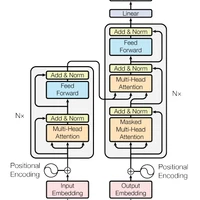

Meta Learning in Decentralized Neural Networks: Towards More General AI
Meta-learning usually refers to a learning algorithm that learns from other learning algorithms. The problem of uncertainty in the predictions of neural networks shows that the world is only partially predictable and a learned neural network cannot generalize to its ever-changing surrounding environments. Therefore, the question is how a predictive model can represent multiple predictions simultaneously. We aim to provide a fundamental understanding of learning to learn in the contents of Decentralized Neural Networks (Decentralized NNs) and we believe this is one of the most important questions and prerequisites to building an autonomous intelligence machine. To this end, we shall demonstrate several pieces of evidence for tackling the problems above with Meta Learning in Decentralized NNs. In particular, we will present three different approaches to building such a decentralized learning system: (1) learning from many replica neural networks, (2) building the hierarchy of neural networks for different functions, and (3) leveraging different modality experts to learn cross-modal representations.
Communication Learning in Multi-Agent Systems from Graph Modeling Perspective
In numerous artificial intelligence applications, the collaborative efforts of multiple intelligent agents are imperative for the successful attainment of target objectives. To enhance coordination among these agents, a distributed communication framework is often employed. However, indiscriminate information sharing among all agents can be resource-intensive, and the adoption of manually pre-defined communication architectures imposes constraints on inter-agent communication, thus limiting the potential for effective collaboration. Moreover, the communication framework often remains static during inference, which may result in sustained high resource consumption, as in most cases, only key decisions necessitate information sharing among agents. In this study, we introduce a novel approach wherein we conceptualize the communication architecture among agents as a learnable graph. We formulate this problem as the task of determining the communication graph while enabling the architecture parameters to update normally, thus necessitating a bi-level optimization process. Utilizing continuous relaxation of the graph representation and incorporating attention units, our proposed approach, CommFormer, efficiently optimizes the communication graph and concurrently refines architectural parameters through gradient descent in an end-to-end manner. Additionally, we introduce a temporal gating mechanism for each agent, enabling dynamic decisions on whether to receive shared information at a given time, based on current observations, thus improving decision-making efficiency. Extensive experiments on a variety of cooperative tasks substantiate the robustness of our model across diverse cooperative scenarios, where agents are able to develop more coordinated and sophisticated strategies regardless of changes in the number of agents.

Flag Aggregator: Scalable Distributed Training under Failures and Augmented Losses using Convex Optimization
Modern ML applications increasingly rely on complex deep learning models and large datasets. There has been an exponential growth in the amount of computation needed to train the largest models. Therefore, to scale computation and data, these models are inevitably trained in a distributed manner in clusters of nodes, and their updates are aggregated before being applied to the model. However, a distributed setup is prone to Byzantine failures of individual nodes, components, and software. With data augmentation added to these settings, there is a critical need for robust and efficient aggregation systems. We define the quality of workers as reconstruction ratios in (0,1], and formulate aggregation as a Maximum Likelihood Estimation procedure using Beta densities. We show that the Regularized form of log-likelihood wrt subspace can be approximately solved using iterative least squares solver, and provide convergence guarantees using recent Convex Optimization landscape results. Our empirical findings demonstrate that our approach significantly enhances the robustness of state-of-the-art Byzantine resilient aggregators. We evaluate our method in a distributed setup with a parameter server, and show simultaneous improvements in communication efficiency and accuracy across various tasks. The code is publicly available at https://github.com/hamidralmasi/FlagAggregator
From MOOC to MAIC: Reshaping Online Teaching and Learning through LLM-driven Agents
Since the first instances of online education, where courses were uploaded to accessible and shared online platforms, this form of scaling the dissemination of human knowledge to reach a broader audience has sparked extensive discussion and widespread adoption. Recognizing that personalized learning still holds significant potential for improvement, new AI technologies have been continuously integrated into this learning format, resulting in a variety of educational AI applications such as educational recommendation and intelligent tutoring. The emergence of intelligence in large language models (LLMs) has allowed for these educational enhancements to be built upon a unified foundational model, enabling deeper integration. In this context, we propose MAIC (Massive AI-empowered Course), a new form of online education that leverages LLM-driven multi-agent systems to construct an AI-augmented classroom, balancing scalability with adaptivity. Beyond exploring the conceptual framework and technical innovations, we conduct preliminary experiments at Tsinghua University, one of China's leading universities. Drawing from over 100,000 learning records of more than 500 students, we obtain a series of valuable observations and initial analyses. This project will continue to evolve, ultimately aiming to establish a comprehensive open platform that supports and unifies research, technology, and applications in exploring the possibilities of online education in the era of large model AI. We envision this platform as a collaborative hub, bringing together educators, researchers, and innovators to collectively explore the future of AI-driven online education.





Secure Distributed Training at Scale
Many areas of deep learning benefit from using increasingly larger neural networks trained on public data, as is the case for pre-trained models for NLP and computer vision. Training such models requires a lot of computational resources (e.g., HPC clusters) that are not available to small research groups and independent researchers. One way to address it is for several smaller groups to pool their computational resources together and train a model that benefits all participants. Unfortunately, in this case, any participant can jeopardize the entire training run by sending incorrect updates, deliberately or by mistake. Training in presence of such peers requires specialized distributed training algorithms with Byzantine tolerance. These algorithms often sacrifice efficiency by introducing redundant communication or passing all updates through a trusted server, making it infeasible to apply them to large-scale deep learning, where models can have billions of parameters. In this work, we propose a novel protocol for secure (Byzantine-tolerant) decentralized training that emphasizes communication efficiency.
Internet of Agentic AI: Incentive-Compatible Distributed Teaming and Workflow
Large language models (LLMs) have enabled a new class of agentic AI systems that reason, plan, and act by invoking external tools. However, most existing agentic architectures remain centralized and monolithic, limiting scalability, specialization, and interoperability. This paper proposes a framework for scalable agentic intelligence, termed the Internet of Agentic AI, in which autonomous, heterogeneous agents distributed across cloud and edge infrastructure dynamically form coalitions to execute task-driven workflows. We formalize a network-native model of agentic collaboration and introduce an incentive-compatible workflow-coalition feasibility framework that integrates capability coverage, network locality, and economic implementability. To enable scalable coordination, we formulate a minimum-effort coalition selection problem and propose a decentralized coalition formation algorithm. The proposed framework can operate as a coordination layer above the Model Context Protocol (MCP). A healthcare case study demonstrates how domain specialization, cloud-edge heterogeneity, and dynamic coalition formation enable scalable, resilient, and economically viable agentic workflows. This work lays the foundation for principled coordination and scalability in the emerging era of Internet of Agentic AI.
SambaNova SN40L: Scaling the AI Memory Wall with Dataflow and Composition of Experts
Monolithic large language models (LLMs) like GPT-4 have paved the way for modern generative AI applications. Training, serving, and maintaining monolithic LLMs at scale, however, remains prohibitively expensive and challenging. The disproportionate increase in compute-to-memory ratio of modern AI accelerators have created a memory wall, necessitating new methods to deploy AI. Composition of Experts (CoE) is an alternative modular approach that lowers the cost and complexity of training and serving. However, this approach presents two key challenges when using conventional hardware: (1) without fused operations, smaller models have lower operational intensity, which makes high utilization more challenging to achieve; and (2) hosting a large number of models can be either prohibitively expensive or slow when dynamically switching between them. In this paper, we describe how combining CoE, streaming dataflow, and a three-tier memory system scales the AI memory wall. We describe Samba-CoE, a CoE system with 150 experts and a trillion total parameters. We deploy Samba-CoE on the SambaNova SN40L Reconfigurable Dataflow Unit (RDU) - a commercial dataflow accelerator architecture that has been co-designed for enterprise inference and training applications. The chip introduces a new three-tier memory system with on-chip distributed SRAM, on-package HBM, and off-package DDR DRAM. A dedicated inter-RDU network enables scaling up and out over multiple sockets. We demonstrate speedups ranging from 2x to 13x on various benchmarks running on eight RDU sockets compared with an unfused baseline. We show that for CoE inference deployments, the 8-socket RDU Node reduces machine footprint by up to 19x, speeds up model switching time by 15x to 31x, and achieves an overall speedup of 3.7x over a DGX H100 and 6.6x over a DGX A100.




Modular Deep Learning
Transfer learning has recently become the dominant paradigm of machine learning. Pre-trained models fine-tuned for downstream tasks achieve better performance with fewer labelled examples. Nonetheless, it remains unclear how to develop models that specialise towards multiple tasks without incurring negative interference and that generalise systematically to non-identically distributed tasks. Modular deep learning has emerged as a promising solution to these challenges. In this framework, units of computation are often implemented as autonomous parameter-efficient modules. Information is conditionally routed to a subset of modules and subsequently aggregated. These properties enable positive transfer and systematic generalisation by separating computation from routing and updating modules locally. We offer a survey of modular architectures, providing a unified view over several threads of research that evolved independently in the scientific literature. Moreover, we explore various additional purposes of modularity, including scaling language models, causal inference, programme induction, and planning in reinforcement learning. Finally, we report various concrete applications where modularity has been successfully deployed such as cross-lingual and cross-modal knowledge transfer. Related talks and projects to this survey, are available at https://www.modulardeeplearning.com/.


FedADP: Unified Model Aggregation for Federated Learning with Heterogeneous Model Architectures
Traditional Federated Learning (FL) faces significant challenges in terms of efficiency and accuracy, particularly in heterogeneous environments where clients employ diverse model architectures and have varying computational resources. Such heterogeneity complicates the aggregation process, leading to performance bottlenecks and reduced model generalizability. To address these issues, we propose FedADP, a federated learning framework designed to adapt to client heterogeneity by dynamically adjusting model architectures during aggregation. FedADP enables effective collaboration among clients with differing capabilities, maximizing resource utilization and ensuring model quality. Our experimental results demonstrate that FedADP significantly outperforms existing methods, such as FlexiFed, achieving an accuracy improvement of up to 23.30%, thereby enhancing model adaptability and training efficiency in heterogeneous real-world settings.
DropNAS: Grouped Operation Dropout for Differentiable Architecture Search
Neural architecture search (NAS) has shown encouraging results in automating the architecture design. Recently, DARTS relaxes the search process with a differentiable formulation that leverages weight-sharing and SGD where all candidate operations are trained simultaneously. Our empirical results show that such procedure results in the co-adaption problem and Matthew Effect: operations with fewer parameters would be trained maturely earlier. This causes two problems: firstly, the operations with more parameters may never have the chance to express the desired function since those with less have already done the job; secondly, the system will punish those underperforming operations by lowering their architecture parameter, and they will get smaller loss gradients, which causes the Matthew Effect. In this paper, we systematically study these problems and propose a novel grouped operation dropout algorithm named DropNAS to fix the problems with DARTS. Extensive experiments demonstrate that DropNAS solves the above issues and achieves promising performance. Specifically, DropNAS achieves 2.26% test error on CIFAR-10, 16.39% on CIFAR-100 and 23.4% on ImageNet (with the same training hyperparameters as DARTS for a fair comparison). It is also observed that DropNAS is robust across variants of the DARTS search space. Code is available at https://github.com/wiljohnhong/DropNAS.
Matrix: Peer-to-Peer Multi-Agent Synthetic Data Generation Framework
Synthetic data has become increasingly important for training large language models, especially when real data is scarce, expensive, or privacy-sensitive. Many such generation tasks require coordinated multi-agent workflows, where specialized agents collaborate to produce data that is higher quality, more diverse, and structurally richer. However, existing frameworks for multi-agent synthesis often depend on a centralized orchestrator, creating scalability bottlenecks, or are hardcoded for specific domains, limiting flexibility. We present Matrix, a decentralized framework that represents both control and data flow as serialized messages passed through distributed queues. This peer-to-peer design eliminates the central orchestrator. Each task progresses independently through lightweight agents, while compute-intensive operations, such as LLM inference or containerized environments, are handled by distributed services. Built on Ray, Matrix scales to tens of thousands of concurrent agentic workflows and provides a modular, configurable design that enables easy adaptation to a wide range of data generation workflows. We evaluate Matrix across diverse synthesis scenarios, such as multi-agent collaborative dialogue, web-based reasoning data extraction, and tool-use trajectory generation in customer service environments. In all cases, Matrix achieves 2--15times higher data generation throughput under identical hardware resources, without compromising output quality.
AutoDistil: Few-shot Task-agnostic Neural Architecture Search for Distilling Large Language Models
Knowledge distillation (KD) methods compress large models into smaller students with manually-designed student architectures given pre-specified computational cost. This requires several trials to find a viable student, and further repeating the process for each student or computational budget change. We use Neural Architecture Search (NAS) to automatically distill several compressed students with variable cost from a large model. Current works train a single SuperLM consisting of millions of subnetworks with weight-sharing, resulting in interference between subnetworks of different sizes. Our framework AutoDistil addresses above challenges with the following steps: (a) Incorporates inductive bias and heuristics to partition Transformer search space into K compact sub-spaces (K=3 for typical student sizes of base, small and tiny); (b) Trains one SuperLM for each sub-space using task-agnostic objective (e.g., self-attention distillation) with weight-sharing of students; (c) Lightweight search for the optimal student without re-training. Fully task-agnostic training and search allow students to be reused for fine-tuning on any downstream task. Experiments on GLUE benchmark against state-of-the-art KD and NAS methods demonstrate AutoDistil to outperform leading compression techniques with upto 2.7x reduction in computational cost and negligible loss in task performance.


INTELLECT-2: A Reasoning Model Trained Through Globally Decentralized Reinforcement Learning
We introduce INTELLECT-2, the first globally distributed reinforcement learning (RL) training run of a 32 billion parameter language model. Unlike traditional centralized training efforts, INTELLECT-2 trains a reasoning model using fully asynchronous RL across a dynamic, heterogeneous swarm of permissionless compute contributors. To enable a training run with this unique infrastructure, we built various components from scratch: we introduce PRIME-RL, our training framework purpose-built for distributed asynchronous reinforcement learning, based on top of novel components such as TOPLOC, which verifies rollouts from untrusted inference workers, and SHARDCAST, which efficiently broadcasts policy weights from training nodes to inference workers. Beyond infrastructure components, we propose modifications to the standard GRPO training recipe and data filtering techniques that were crucial to achieve training stability and ensure that our model successfully learned its training objective, thus improving upon QwQ-32B, the state of the art reasoning model in the 32B parameter range. We open-source INTELLECT-2 along with all of our code and data, hoping to encourage and enable more open research in the field of decentralized training.



Distributed Deep Learning in Open Collaborations
Modern deep learning applications require increasingly more compute to train state-of-the-art models. To address this demand, large corporations and institutions use dedicated High-Performance Computing clusters, whose construction and maintenance are both environmentally costly and well beyond the budget of most organizations. As a result, some research directions become the exclusive domain of a few large industrial and even fewer academic actors. To alleviate this disparity, smaller groups may pool their computational resources and run collaborative experiments that benefit all participants. This paradigm, known as grid- or volunteer computing, has seen successful applications in numerous scientific areas. However, using this approach for machine learning is difficult due to high latency, asymmetric bandwidth, and several challenges unique to volunteer computing. In this work, we carefully analyze these constraints and propose a novel algorithmic framework designed specifically for collaborative training. We demonstrate the effectiveness of our approach for SwAV and ALBERT pretraining in realistic conditions and achieve performance comparable to traditional setups at a fraction of the cost. Finally, we provide a detailed report of successful collaborative language model pretraining with 40 participants.



Towards a Science of Scaling Agent Systems
Agents, language model (LM)-based systems that are capable of reasoning, planning, and acting are becoming the dominant paradigm for real-world AI applications. Despite this widespread adoption, the principles that determine their performance remain underexplored, leaving practitioners to rely on heuristics rather than principled design choices. We address this gap by deriving quantitative scaling principles for agent systems. We evaluate this across four diverse benchmarks: Finance-Agent, BrowseComp-Plus, PlanCraft, and Workbench. Using five canonical architectures (Single, Independent, Centralized, Decentralized, Hybrid) instantiated across three LLM families, we perform a controlled evaluation spanning 180 configurations with standardized tools and token budgets. We derive a predictive model using empirical coordination metrics, including efficiency, overhead, error amplification, and redundancy, that achieves cross-validated R^2=0.513. We identify three dominant effects: (1) a tool-coordination trade-off: under fixed computational budgets, tool-heavy tasks suffer disproportionately from multi-agent overhead. (2) a capability saturation: coordination yields diminishing or negative returns (beta=-0.408, p<0.001) once single-agent baselines exceed ~45%. (3) topology-dependent error amplification: independent agents amplify errors 17.2x through unchecked propagation, while centralized coordination contains this to 4.4x. Centralized coordination improves performance by 80.9% on parallelizable tasks like financial reasoning, while decentralized coordination excels on dynamic web navigation (+9.2% vs. +0.2%). Yet for sequential reasoning tasks, all multi-agent variants degraded performance by 39-70%. The framework predicts the optimal coordination strategy for 87% of held-out configurations, providing a predictive principle of agentic scaling based on measurable task properties.

One Model for All Tasks: Leveraging Efficient World Models in Multi-Task Planning
In heterogeneous multi-task decision-making, tasks not only exhibit diverse observation and action spaces but also vary substantially in their underlying complexities. While conventional multi-task world models like UniZero excel in single-task settings, we find that when handling a broad and diverse suite of tasks, gradient conflicts and the loss of model plasticity often constrain their sample efficiency. In this work, we address these challenges from two complementary perspectives: the single learning iteration and the overall learning process. First, to mitigate the gradient conflicts, we systematically investigate key architectural designs for extending UniZero. Our investigation identifies a Mixture-of-Experts (MoE) architecture as the most effective approach. We demonstrate, both theoretically and empirically, that this architecture alleviates gradient conflicts by routing task-specific representations to specialized sub-networks. This finding leads to our proposed model, ScaleZero. Second, to dynamically allocate model capacity throughout the learning process, we introduce an online Dynamic Parameter Scaling (DPS) strategy. This strategy progressively integrates LoRA adapters in response to task-specific progress, enabling adaptive knowledge retention and parameter expansion. Evaluations on a diverse set of standard benchmarks (Atari, DMC, Jericho) demonstrate that ScaleZero, utilizing solely online reinforcement learning with one model, performs on par with specialized single-task agents. With the DPS strategy, it remains competitive while using just 71.5% of the environment interactions. These findings underscore the potential of ScaleZero for effective multi-task planning. Our code is available at magenta{https://github.com/opendilab/LightZero}.
Parallelizing Over Artificial Neural Network Training Runs with Multigrid
Artificial neural networks are a popular and effective machine learning technique. Great progress has been made parallelizing the expensive training phase of an individual network, leading to highly specialized pieces of hardware, many based on GPU-type architectures, and more concurrent algorithms such as synthetic gradients. However, the training phase continues to be a bottleneck, where the training data must be processed serially over thousands of individual training runs. This work considers a multigrid reduction in time (MGRIT) algorithm that is able to parallelize over the thousands of training runs and converge to the exact same solution as traditional training would provide. MGRIT was originally developed to provide parallelism for time evolution problems that serially step through a finite number of time-steps. This work recasts the training of a neural network similarly, treating neural network training as an evolution equation that evolves the network weights from one step to the next. Thus, this work concerns distributed computing approaches for neural networks, but is distinct from other approaches which seek to parallelize only over individual training runs. The work concludes with supporting numerical results for two model problems.
Effective and Efficient Federated Tree Learning on Hybrid Data
Federated learning has emerged as a promising distributed learning paradigm that facilitates collaborative learning among multiple parties without transferring raw data. However, most existing federated learning studies focus on either horizontal or vertical data settings, where the data of different parties are assumed to be from the same feature or sample space. In practice, a common scenario is the hybrid data setting, where data from different parties may differ both in the features and samples. To address this, we propose HybridTree, a novel federated learning approach that enables federated tree learning on hybrid data. We observe the existence of consistent split rules in trees. With the help of these split rules, we theoretically show that the knowledge of parties can be incorporated into the lower layers of a tree. Based on our theoretical analysis, we propose a layer-level solution that does not need frequent communication traffic to train a tree. Our experiments demonstrate that HybridTree can achieve comparable accuracy to the centralized setting with low computational and communication overhead. HybridTree can achieve up to 8 times speedup compared with the other baselines.



A Unified Convergence Analysis for Semi-Decentralized Learning: Sampled-to-Sampled vs. Sampled-to-All Communication
In semi-decentralized federated learning, devices primarily rely on device-to-device communication but occasionally interact with a central server. Periodically, a sampled subset of devices uploads their local models to the server, which computes an aggregate model. The server can then either (i) share this aggregate model only with the sampled clients (sampled-to-sampled, S2S) or (ii) broadcast it to all clients (sampled-to-all, S2A). Despite their practical significance, a rigorous theoretical and empirical comparison of these two strategies remains absent. We address this gap by analyzing S2S and S2A within a unified convergence framework that accounts for key system parameters: sampling rate, server aggregation frequency, and network connectivity. Our results, both analytical and experimental, reveal distinct regimes where one strategy outperforms the other, depending primarily on the degree of data heterogeneity across devices. These insights lead to concrete design guidelines for practical semi-decentralized FL deployments.
Towards Client Driven Federated Learning
Conventional federated learning (FL) frameworks follow a server-driven model where the server determines session initiation and client participation, which faces challenges in accommodating clients' asynchronous needs for model updates. We introduce Client-Driven Federated Learning (CDFL), a novel FL framework that puts clients at the driving role. In CDFL, each client independently and asynchronously updates its model by uploading the locally trained model to the server and receiving a customized model tailored to its local task. The server maintains a repository of cluster models, iteratively refining them using received client models. Our framework accommodates complex dynamics in clients' data distributions, characterized by time-varying mixtures of cluster distributions, enabling rapid adaptation to new tasks with superior performance. In contrast to traditional clustered FL protocols that send multiple cluster models to a client to perform distribution estimation, we propose a paradigm that offloads the estimation task to the server and only sends a single model to a client, and novel strategies to improve estimation accuracy. We provide a theoretical analysis of CDFL's convergence. Extensive experiments across various datasets and system settings highlight CDFL's substantial advantages in model performance and computation efficiency over baselines.
DeToNATION: Decoupled Torch Network-Aware Training on Interlinked Online Nodes
Training large neural network models requires extensive computational resources, often distributed across several nodes and accelerators. Recent findings suggest that it may be sufficient to only exchange the fast moving components of the gradients, while accumulating momentum locally (Decoupled Momentum, or DeMo). However, DeMo assumes that models fit on a single accelerator. We relax this assumption and introduce FlexDeMo, whereby nodes fully shard model parameters locally between different accelerators, while inter-node communication is reduced by synchronizing only fast-moving components instead of the full gradients -- resulting in a hybrid sharded data parallel training strategy. We further introduce a framework, denoted as DeToNATION, that generalizes DeMo, FlexDeMo, and other popular distributed training schemes such as DiLoCo -- introducing new variations of replication schemes and challenging choices made in DeMo. Our results across language and vision domains show that FlexDeMo attains similar validation loss as hybrid sharded data parallel training employing AdamW and full gradient synchronization, while being substantially faster. FlexDeMo is thus a promising distributed training scheme for the largest machine learning models.

PC-DARTS: Partial Channel Connections for Memory-Efficient Architecture Search
Differentiable architecture search (DARTS) provided a fast solution in finding effective network architectures, but suffered from large memory and computing overheads in jointly training a super-network and searching for an optimal architecture. In this paper, we present a novel approach, namely, Partially-Connected DARTS, by sampling a small part of super-network to reduce the redundancy in exploring the network space, thereby performing a more efficient search without comprising the performance. In particular, we perform operation search in a subset of channels while bypassing the held out part in a shortcut. This strategy may suffer from an undesired inconsistency on selecting the edges of super-net caused by sampling different channels. We alleviate it using edge normalization, which adds a new set of edge-level parameters to reduce uncertainty in search. Thanks to the reduced memory cost, PC-DARTS can be trained with a larger batch size and, consequently, enjoys both faster speed and higher training stability. Experimental results demonstrate the effectiveness of the proposed method. Specifically, we achieve an error rate of 2.57% on CIFAR10 with merely 0.1 GPU-days for architecture search, and a state-of-the-art top-1 error rate of 24.2% on ImageNet (under the mobile setting) using 3.8 GPU-days for search. Our code has been made available at: https://github.com/yuhuixu1993/PC-DARTS.


Distributed Methods with Compressed Communication for Solving Variational Inequalities, with Theoretical Guarantees
Variational inequalities in general and saddle point problems in particular are increasingly relevant in machine learning applications, including adversarial learning, GANs, transport and robust optimization. With increasing data and problem sizes necessary to train high performing models across various applications, we need to rely on parallel and distributed computing. However, in distributed training, communication among the compute nodes is a key bottleneck during training, and this problem is exacerbated for high dimensional and over-parameterized models. Due to these considerations, it is important to equip existing methods with strategies that would allow to reduce the volume of transmitted information during training while obtaining a model of comparable quality. In this paper, we present the first theoretically grounded distributed methods for solving variational inequalities and saddle point problems using compressed communication: MASHA1 and MASHA2. Our theory and methods allow for the use of both unbiased (such as Randk; MASHA1) and contractive (such as Topk; MASHA2) compressors. New algorithms support bidirectional compressions, and also can be modified for stochastic setting with batches and for federated learning with partial participation of clients. We empirically validated our conclusions using two experimental setups: a standard bilinear min-max problem, and large-scale distributed adversarial training of transformers.
Holmes: Towards Distributed Training Across Clusters with Heterogeneous NIC Environment
Large language models (LLMs) such as GPT-3, OPT, and LLaMA have demonstrated remarkable accuracy in a wide range of tasks. However, training these models can incur significant expenses, often requiring tens of thousands of GPUs for months of continuous operation. Typically, this training is carried out in specialized GPU clusters equipped with homogeneous high-speed Remote Direct Memory Access (RDMA) network interface cards (NICs). The acquisition and maintenance of such dedicated clusters is challenging. Current LLM training frameworks, like Megatron-LM and Megatron-DeepSpeed, focus primarily on optimizing training within homogeneous cluster settings. In this paper, we introduce Holmes, a training framework for LLMs that employs thoughtfully crafted data and model parallelism strategies over the heterogeneous NIC environment. Our primary technical contribution lies in a novel scheduling method that intelligently allocates distinct computational tasklets in LLM training to specific groups of GPU devices based on the characteristics of their connected NICs. Furthermore, our proposed framework, utilizing pipeline parallel techniques, demonstrates scalability to multiple GPU clusters, even in scenarios without high-speed interconnects between nodes in distinct clusters. We conducted comprehensive experiments that involved various scenarios in the heterogeneous NIC environment. In most cases, our framework achieves performance levels close to those achievable with homogeneous RDMA-capable networks (InfiniBand or RoCE), significantly exceeding training efficiency within the pure Ethernet environment. Additionally, we verified that our framework outperforms other mainstream LLM frameworks under heterogeneous NIC environment in terms of training efficiency and can be seamlessly integrated with them.
OSGym: Scalable Distributed Data Engine for Generalizable Computer Agents
We introduce OSGym, a scalable distributed Data Engine for training agents across diverse computer use tasks. OSGym efficiently scales to more than a thousand operating system (OS) replicas under academia-affordable cost budget, to serve as agent runtime environments. OSGym has three advantages: 1) Scalability: Despite intensive resource consumption for running OS replicas, OSGym can parallelize a thousand OS replicas while maintaining the operation efficiency under limited resources. Its scalable parallelization enables generating a vast amount of data (1420 multi-turn trajectories per minute). 2) Generality and Customizability: OSGym supports a wide variety of tasks as long as they run on operating systems, including functional tool-use, browser interactions, software engineering, office applications, etc. It also enables easy and flexible customization of model training algorithms. 3) Economic Viability for Academia Use: Only costs 0.2 to 0.3 USD per day per OS replica on easily accessible on-demand compute providers. Our experiments demonstrate the effectiveness of OSGym for implementing comprehensive pipelines for data collection, supervised fine-tuning, and reinforcement learning for computer use agents. We believe OSGym will push the scalability and universality in future agent research.
GraphMASAL: A Graph-based Multi-Agent System for Adaptive Learning
The advent of Intelligent Tutoring Systems (ITSs) has marked a paradigm shift in education, enabling highly personalized learning pathways. However, true personalization requires adapting to learners' complex knowledge states (multi-source) and diverse goals (multi-sink); existing ITSs often lack the necessary structural-reasoning capability and knowledge dynamism to generate genuinely effective learning paths, and they lack scientifically rigorous validation paradigms. In this paper we propose GraphMASAL (A Graph-based Multi-Agent System for Adaptive Learning), which integrates (i) a dynamic knowledge graph for persistent, stateful learner modeling; (ii) a LangGraph-orchestrated trio of agents (Diagnostician, Planner, Tutor); (iii) a knowledge-graph-grounded two-stage neural IR component (dual-encoder dense retrieval with cross-encoder listwise re-ranking and calibrated score fusion); and (iv) a multi-source multi-sink (MSMS) planning engine with a cognitively grounded cost and an approximation guarantee via greedy set cover. Under blinded automated evaluations with matched inputs and inference settings across diverse student profiles, GraphMASAL consistently outperforms LLM prompting and structured ablations in planning--achieving stronger structural/sequence alignment of learning paths, higher coverage of weak concepts, and lower learning cost--while also surpassing prompt-based baselines in cognitive diagnosis. Agreement with expert/LLM-proxy ratings further supports the validity of our evaluation protocol. These findings indicate that grounding LLM agents in a dynamic knowledge graph, coupled with optimization under educational constraints, yields reliable, interpretable, and pedagogically plausible learning plans, advancing personalized and goal-oriented education.
FedASMU: Efficient Asynchronous Federated Learning with Dynamic Staleness-aware Model Update
As a promising approach to deal with distributed data, Federated Learning (FL) achieves major advancements in recent years. FL enables collaborative model training by exploiting the raw data dispersed in multiple edge devices. However, the data is generally non-independent and identically distributed, i.e., statistical heterogeneity, and the edge devices significantly differ in terms of both computation and communication capacity, i.e., system heterogeneity. The statistical heterogeneity leads to severe accuracy degradation while the system heterogeneity significantly prolongs the training process. In order to address the heterogeneity issue, we propose an Asynchronous Staleness-aware Model Update FL framework, i.e., FedASMU, with two novel methods. First, we propose an asynchronous FL system model with a dynamical model aggregation method between updated local models and the global model on the server for superior accuracy and high efficiency. Then, we propose an adaptive local model adjustment method by aggregating the fresh global model with local models on devices to further improve the accuracy. Extensive experimentation with 6 models and 5 public datasets demonstrates that FedASMU significantly outperforms baseline approaches in terms of accuracy (0.60% to 23.90% higher) and efficiency (3.54% to 97.98% faster).
Paris: A Decentralized Trained Open-Weight Diffusion Model
We present Paris, the first publicly released diffusion model pre-trained entirely through decentralized computation. Paris demonstrates that high-quality text-to-image generation can be achieved without centrally coordinated infrastructure. Paris is open for research and commercial use. Paris required implementing our Distributed Diffusion Training framework from scratch. The model consists of 8 expert diffusion models (129M-605M parameters each) trained in complete isolation with no gradient, parameter, or intermediate activation synchronization. Rather than requiring synchronized gradient updates across thousands of GPUs, we partition data into semantically coherent clusters where each expert independently optimizes its subset while collectively approximating the full distribution. A lightweight transformer router dynamically selects appropriate experts at inference, achieving generation quality comparable to centrally coordinated baselines. Eliminating synchronization enables training on heterogeneous hardware without specialized interconnects. Empirical validation confirms that Paris's decentralized training maintains generation quality while removing the dedicated GPU cluster requirement for large-scale diffusion models. Paris achieves this using 14times less training data and 16times less compute than the prior decentralized baseline.
One-for-All: Bridge the Gap Between Heterogeneous Architectures in Knowledge Distillation
Knowledge distillation~(KD) has proven to be a highly effective approach for enhancing model performance through a teacher-student training scheme. However, most existing distillation methods are designed under the assumption that the teacher and student models belong to the same model family, particularly the hint-based approaches. By using centered kernel alignment (CKA) to compare the learned features between heterogeneous teacher and student models, we observe significant feature divergence. This divergence illustrates the ineffectiveness of previous hint-based methods in cross-architecture distillation. To tackle the challenge in distilling heterogeneous models, we propose a simple yet effective one-for-all KD framework called OFA-KD, which significantly improves the distillation performance between heterogeneous architectures. Specifically, we project intermediate features into an aligned latent space such as the logits space, where architecture-specific information is discarded. Additionally, we introduce an adaptive target enhancement scheme to prevent the student from being disturbed by irrelevant information. Extensive experiments with various architectures, including CNN, Transformer, and MLP, demonstrate the superiority of our OFA-KD framework in enabling distillation between heterogeneous architectures. Specifically, when equipped with our OFA-KD, the student models achieve notable performance improvements, with a maximum gain of 8.0% on the CIFAR-100 dataset and 0.7% on the ImageNet-1K dataset. PyTorch code and checkpoints can be found at https://github.com/Hao840/OFAKD.

Anchor Sampling for Federated Learning with Partial Client Participation
Compared with full client participation, partial client participation is a more practical scenario in federated learning, but it may amplify some challenges in federated learning, such as data heterogeneity. The lack of inactive clients' updates in partial client participation makes it more likely for the model aggregation to deviate from the aggregation based on full client participation. Training with large batches on individual clients is proposed to address data heterogeneity in general, but their effectiveness under partial client participation is not clear. Motivated by these challenges, we propose to develop a novel federated learning framework, referred to as FedAMD, for partial client participation. The core idea is anchor sampling, which separates partial participants into anchor and miner groups. Each client in the anchor group aims at the local bullseye with the gradient computation using a large batch. Guided by the bullseyes, clients in the miner group steer multiple near-optimal local updates using small batches and update the global model. By integrating the results of the two groups, FedAMD is able to accelerate the training process and improve the model performance. Measured by epsilon-approximation and compared to the state-of-the-art methods, FedAMD achieves the convergence by up to O(1/epsilon) fewer communication rounds under non-convex objectives. Empirical studies on real-world datasets validate the effectiveness of FedAMD and demonstrate the superiority of the proposed algorithm: Not only does it considerably save computation and communication costs, but also the test accuracy significantly improves.

Glia: A Human-Inspired AI for Automated Systems Design and Optimization
Can an AI autonomously design mechanisms for computer systems on par with the creativity and reasoning of human experts? We present Glia, an AI architecture for networked systems design that uses large language models (LLMs) in a human-inspired, multi-agent workflow. Each agent specializes in reasoning, experimentation, and analysis, collaborating through an evaluation framework that grounds abstract reasoning in empirical feedback. Unlike prior ML-for-systems methods that optimize black-box policies, Glia generates interpretable designs and exposes its reasoning process. When applied to a distributed GPU cluster for LLM inference, it produces new algorithms for request routing, scheduling, and auto-scaling that perform at human-expert levels in significantly less time, while yielding novel insights into workload behavior. Our results suggest that by combining reasoning LLMs with structured experimentation, an AI can produce creative and understandable designs for complex systems problems.
Leeroo Orchestrator: Elevating LLMs Performance Through Model Integration
In this paper, we propose an architecture to harness the collective knowledge of multiple trained LLMs to create a new state-of-the-art. At the core of this framework is a LLM-based orchestrator that is adept at picking the right underlying LLM experts for optimal task execution. Inspired by self-play in reinforcement learning, we created a loop of query generation, orchestration, and evaluation to generate training data for the orchestrator. Our evaluation focused on the MMLU benchmark, employing models with 7B, 13B, and 34B parameters available on Hugging Face. The results demonstrate new state-of-the-art open-source models: Our Leeroo orchestrator achieves performance on par with the Mixtral model while incurring only two-thirds of its cost. Moreover, increasing the allowed cost surpasses Mixtral's accuracy by over 5% at the same cost level, reaching an accuracy of 75.9%. Further enhancements were observed when integrating GPT4 into the underlying model pool. The Leeroo orchestrator nearly matches GPT4's performance at half the cost and even exceeds GPT4's results with a 25% cost reduction. These findings illustrate the potential of our architecture in creating state-of-the-art and cost-effective LLMs by optimizing the synergy between multiple LLMs to achieve superior performance outcomes.

Improving Differentiable Architecture Search via Self-Distillation
Differentiable Architecture Search (DARTS) is a simple yet efficient Neural Architecture Search (NAS) method. During the search stage, DARTS trains a supernet by jointly optimizing architecture parameters and network parameters. During the evaluation stage, DARTS discretizes the supernet to derive the optimal architecture based on architecture parameters. However, recent research has shown that during the training process, the supernet tends to converge towards sharp minima rather than flat minima. This is evidenced by the higher sharpness of the loss landscape of the supernet, which ultimately leads to a performance gap between the supernet and the optimal architecture. In this paper, we propose Self-Distillation Differentiable Neural Architecture Search (SD-DARTS) to alleviate the discretization gap. We utilize self-distillation to distill knowledge from previous steps of the supernet to guide its training in the current step, effectively reducing the sharpness of the supernet's loss and bridging the performance gap between the supernet and the optimal architecture. Furthermore, we introduce the concept of voting teachers, where multiple previous supernets are selected as teachers, and their output probabilities are aggregated through voting to obtain the final teacher prediction. Experimental results on real datasets demonstrate the advantages of our novel self-distillation-based NAS method compared to state-of-the-art alternatives.
Learning Latency-Aware Orchestration for Parallel Multi-Agent Systems
Multi-agent systems (MAS) enable complex reasoning by coordinating multiple agents, but often incur high inference latency due to multi-step execution and repeated model invocations, severely limiting their scalability and usability in time-sensitive scenarios. Most existing approaches primarily optimize task performance and inference cost, and explicitly or implicitly assume sequential execution, making them less optimal for controlling latency under parallel execution. In this work, we investigate learning-based orchestration of multi-agent systems with explicit latency supervision under parallel execution. We propose Latency-Aware Multi-agent System (LAMaS), a latency-aware multi-agent orchestration framework that enables parallel execution and explicitly optimizes the critical execution path, allowing the controller to construct execution topology graphs with lower latency under parallel execution. Our experiments show that our approach reduces critical path length by 38-46% compared to the state-of-the-art baseline for multi-agent architecture search across multiple benchmarks, while maintaining or even improving task performance. These results highlight the importance of explicitly optimizing latency under parallel execution when designing efficient multi-agent systems. The code is available at https://github.com/xishi404/LAMaS
Turning the TIDE: Cross-Architecture Distillation for Diffusion Large Language Models
Diffusion large language models (dLLMs) offer parallel decoding and bidirectional context, but state-of-the-art dLLMs require billions of parameters for competitive performance. While existing distillation methods for dLLMs reduce inference steps within a single architecture, none address cross-architecture knowledge transfer, in which the teacher and student differ in architecture, attention mechanism, and tokenizer. We present TIDE, the first framework for cross-architecture dLLM distillation, comprising three modular components: (1) TIDAL, which jointly modulates distillation strength across training progress and diffusion timestep to account for the teacher's noise-dependent reliability; (2) CompDemo, which enriches the teacher's context via complementary mask splitting to improve predictions under heavy masking; and (3) Reverse CALM, a cross-tokenizer objective that inverts chunk-level likelihood matching, yielding bounded gradients and dual-end noise filtering. Distilling 8B dense and 16B MoE teachers into a 0.6B student via two heterogeneous pipelines outperforms the baseline by an average of 1.53 points across eight benchmarks, yielding notable gains in code generation, where HumanEval scores reach 48.78 compared to 32.3 for the AR baseline.

LLM-Powered Decentralized Generative Agents with Adaptive Hierarchical Knowledge Graph for Cooperative Planning
Developing intelligent agents for long-term cooperation in dynamic open-world scenarios is a major challenge in multi-agent systems. Traditional Multi-agent Reinforcement Learning (MARL) frameworks like centralized training decentralized execution (CTDE) struggle with scalability and flexibility. They require centralized long-term planning, which is difficult without custom reward functions, and face challenges in processing multi-modal data. CTDE approaches also assume fixed cooperation strategies, making them impractical in dynamic environments where agents need to adapt and plan independently. To address decentralized multi-agent cooperation, we propose Decentralized Adaptive Knowledge Graph Memory and Structured Communication System (DAMCS) in a novel Multi-agent Crafter environment. Our generative agents, powered by Large Language Models (LLMs), are more scalable than traditional MARL agents by leveraging external knowledge and language for long-term planning and reasoning. Instead of fully sharing information from all past experiences, DAMCS introduces a multi-modal memory system organized as a hierarchical knowledge graph and a structured communication protocol to optimize agent cooperation. This allows agents to reason from past interactions and share relevant information efficiently. Experiments on novel multi-agent open-world tasks show that DAMCS outperforms both MARL and LLM baselines in task efficiency and collaboration. Compared to single-agent scenarios, the two-agent scenario achieves the same goal with 63% fewer steps, and the six-agent scenario with 74% fewer steps, highlighting the importance of adaptive memory and structured communication in achieving long-term goals. We publicly release our project at: https://happyeureka.github.io/damcs.
Training Machine Learning models at the Edge: A Survey
Edge Computing (EC) has gained significant traction in recent years, promising enhanced efficiency by integrating Artificial Intelligence (AI) capabilities at the edge. While the focus has primarily been on the deployment and inference of Machine Learning (ML) models at the edge, the training aspect remains less explored. This survey delves into Edge Learning (EL), specifically the optimization of ML model training at the edge. The objective is to comprehensively explore diverse approaches and methodologies in EL, synthesize existing knowledge, identify challenges, and highlight future trends. Utilizing Scopus' advanced search, relevant literature on EL was identified, revealing a concentration of research efforts in distributed learning methods, particularly Federated Learning (FL). This survey further provides a guideline for comparing techniques used to optimize ML for edge learning, along with an exploration of different frameworks, libraries, and simulation tools available for EL. In doing so, the paper contributes to a holistic understanding of the current landscape and future directions in the intersection of edge computing and machine learning, paving the way for informed comparisons between optimization methods and techniques designed for edge learning.
WikiDBGraph: Large-Scale Database Graph of Wikidata for Collaborative Learning
Tabular data, ubiquitous and rich in informational value, is an increasing focus for deep representation learning, yet progress is hindered by studies centered on single tables or isolated databases, which limits model capabilities due to data scale. While collaborative learning approaches such as federated learning, transfer learning, split learning, and tabular foundation models aim to learn from multiple correlated databases, they are challenged by a scarcity of real-world interconnected tabular resources. Current data lakes and corpora largely consist of isolated databases lacking defined inter-database correlations. To overcome this, we introduce WikiDBGraph, a large-scale graph of 100,000 real-world tabular databases from WikiData, interconnected by 17 million edges and characterized by 13 node and 12 edge properties derived from its database schema and data distribution. WikiDBGraph's weighted edges identify both instance- and feature-overlapped databases. Experiments on these newly identified databases confirm that collaborative learning yields superior performance, thereby offering considerable promise for structured foundation model training while also exposing key challenges and future directions for learning from interconnected tabular data.
Pretraining A Large Language Model using Distributed GPUs: A Memory-Efficient Decentralized Paradigm
Pretraining large language models (LLMs) typically requires centralized clusters with thousands of high-memory GPUs (e.g., H100/A100). Recent decentralized training methods reduce communication overhead by employing federated optimization; however, they still need to train the entire model on each node, remaining constrained by GPU memory limitations. In this work, we propose SParse Expert Synchronization (SPES), a memory-efficient decentralized framework for pretraining mixture-of-experts (MoE) LLMs. SPES trains only a subset of experts per node, substantially lowering the memory footprint. Each node updates its local experts and periodically synchronizes with other nodes, eliminating full-parameter transmission while ensuring efficient knowledge sharing. To accelerate convergence, we introduce an expert-merging warm-up strategy, where experts exchange knowledge early in training, to rapidly establish foundational capabilities. With SPES, we train a 2B-parameter MoE LLM using 16 standalone 48GB GPUs over internet connections, which achieves competitive performance with centrally trained LLMs under similar computational budgets. We further demonstrate scalability by training a 7B model from scratch and a 9B model upcycled from a dense checkpoint, both of which match prior centralized baselines. Our code is available at https://github.com/zjr2000/SPES.

Federated Hybrid Model Pruning through Loss Landscape Exploration
As the era of connectivity and unprecedented data generation expands, collaborative intelligence emerges as a key driver for machine learning, encouraging global-scale model development. Federated learning (FL) stands at the heart of this transformation, enabling distributed systems to work collectively on complex tasks while respecting strict constraints on privacy and security. Despite its vast potential, specially in the age of complex models, FL encounters challenges such as elevated communication costs, computational constraints, and the heterogeneous data distributions. In this context, we present AutoFLIP, a novel framework that optimizes FL through an adaptive hybrid pruning approach, grounded in a federated loss exploration phase. By jointly analyzing diverse non-IID client loss landscapes, AutoFLIP efficiently identifies model substructures for pruning both at structured and unstructured levels. This targeted optimization fosters a symbiotic intelligence loop, reducing computational burdens and boosting model performance on resource-limited devices for a more inclusive and democratized model usage. Our extensive experiments across multiple datasets and FL tasks show that AutoFLIP delivers quantifiable benefits: a 48.8% reduction in computational overhead, a 35.5% decrease in communication costs, and a notable improvement in global accuracy. By significantly reducing these overheads, AutoFLIP offer the way for efficient FL deployment in real-world applications for a scalable and broad applicability.
Instructional Agents: Reducing Teaching Faculty Workload through Multi-Agent Instructional Design
Preparing high-quality instructional materials remains a labor-intensive process that often requires extensive coordination among teaching faculty, instructional designers, and teaching assistants. In this work, we present Instructional Agents, a multi-agent large language model framework designed to automate end-to-end course material generation, including syllabi creation, LaTeX-based slides, lecture scripts, and assessments. Unlike prior tools focused on isolated tasks, Instructional Agents simulates role-based collaboration to ensure pedagogical coherence. The system operates in four modes: Autonomous, Catalog-Guided, Feedback-Guided, and Full Co-Pilot mode, enabling flexible control over the degree of human involvement. We evaluate Instructional Agents across five university-level courses and show that it produces high-quality instructional materials that are reviewed and refined by teaching faculty prior to use, while significantly reducing the time required to prepare classroom-ready content. By supporting institutions with limited instructional design capacity, Instructional Agents provides a scalable and cost-effective framework to democratize access to high-quality education, particularly in underserved or resource-constrained settings. The project website, including source code, is available at https://darl-genai.github. io/instructional_agents_homepage/

EDiT: A Local-SGD-Based Efficient Distributed Training Method for Large Language Models
Distributed training methods are crucial for large language models (LLMs). However, existing distributed training methods often suffer from communication bottlenecks, stragglers, and limited elasticity, particularly in heterogeneous or large-scale environments. Local SGD methods have been proposed to address these issues, but their effectiveness remains limited to small-scale training due to additional memory overhead and lack of concerns on efficiency and stability. To tackle these issues, we propose EDiT, an innovative Efficient Distributed Training method that combines a tailored Local SGD approach with model sharding techniques to enhance large-scale training efficiency. EDiT performs layer-wise parameter synchronization during forward pass, reducing communication and memory overhead and enabling overlap. Besides, EDiT employs a pseudo gradient penalty strategy to suppress loss spikes, which ensures training stability and improves performance. Additionally, we introduce A-EDiT, a fully asynchronous variant of EDiT that accommodates heterogeneous clusters. Building on EDiT/A-EDiT, we conduct a series of experiments to validate large-scale asynchronous training for LLMs, accompanied by comprehensive analyses. Experimental results demonstrate the superior performance of EDiT/A-EDiT, establishing them as robust solutions for distributed LLM training in diverse computational ecosystems. The code is available at Atorch codebase: https://github.com/intelligent-machine-learning/atorch/tree/main/atorch/local_sgd.

Large Language Models over Networks: Collaborative Intelligence under Resource Constraints
Large language models (LLMs) are transforming society, powering applications from smartphone assistants to autonomous driving. Yet cloud-based LLM services alone cannot serve a growing class of applications, including those operating under intermittent connectivity, sub-second latency budgets, data-residency constraints, or sustained high-volume inference. On-device deployment is in turn constrained by limited computation and memory. No single endpoint can deliver high-quality service across this spectrum. This article focuses on collaborative intelligence, a paradigm in which multiple independent LLMs distributed across device and cloud endpoints collaborate at the task level through natural language or structured messages. Such collaboration strives for superior response quality under heterogeneous resource constraints spanning computation, memory, communication, and cost across network tiers. We present collaborative inference along two complementary and composable dimensions: vertical device-cloud collaboration and horizontal multi-agent collaboration, which can be combined into hybrid topologies in practice. We then examine learning to collaborate, addressing the training of routing policies and the development of cooperative capabilities among LLMs. Finally, we identify open research challenges including scaling under resource heterogeneity and trustworthy collaborative intelligence.
DisWOT: Student Architecture Search for Distillation WithOut Training
Knowledge distillation (KD) is an effective training strategy to improve the lightweight student models under the guidance of cumbersome teachers. However, the large architecture difference across the teacher-student pairs limits the distillation gains. In contrast to previous adaptive distillation methods to reduce the teacher-student gap, we explore a novel training-free framework to search for the best student architectures for a given teacher. Our work first empirically show that the optimal model under vanilla training cannot be the winner in distillation. Secondly, we find that the similarity of feature semantics and sample relations between random-initialized teacher-student networks have good correlations with final distillation performances. Thus, we efficiently measure similarity matrixs conditioned on the semantic activation maps to select the optimal student via an evolutionary algorithm without any training. In this way, our student architecture search for Distillation WithOut Training (DisWOT) significantly improves the performance of the model in the distillation stage with at least 180times training acceleration. Additionally, we extend similarity metrics in DisWOT as new distillers and KD-based zero-proxies. Our experiments on CIFAR, ImageNet and NAS-Bench-201 demonstrate that our technique achieves state-of-the-art results on different search spaces. Our project and code are available at https://lilujunai.github.io/DisWOT-CVPR2023/.


FedAST: Federated Asynchronous Simultaneous Training
Federated Learning (FL) enables edge devices or clients to collaboratively train machine learning (ML) models without sharing their private data. Much of the existing work in FL focuses on efficiently learning a model for a single task. In this paper, we study simultaneous training of multiple FL models using a common set of clients. The few existing simultaneous training methods employ synchronous aggregation of client updates, which can cause significant delays because large models and/or slow clients can bottleneck the aggregation. On the other hand, a naive asynchronous aggregation is adversely affected by stale client updates. We propose FedAST, a buffered asynchronous federated simultaneous training algorithm that overcomes bottlenecks from slow models and adaptively allocates client resources across heterogeneous tasks. We provide theoretical convergence guarantees for FedAST for smooth non-convex objective functions. Extensive experiments over multiple real-world datasets demonstrate that our proposed method outperforms existing simultaneous FL approaches, achieving up to 46.0% reduction in time to train multiple tasks to completion.
Just One Byte (per gradient): A Note on Low-Bandwidth Decentralized Language Model Finetuning Using Shared Randomness
Language model training in distributed settings is limited by the communication cost of gradient exchanges. In this short note, we extend recent work from Malladi et al. (2023), using shared randomness to perform distributed fine-tuning with low bandwidth. The method is a natural decentralized extension of memory-efficient Simultaneous Perturbation Stochastic Approximation (SPSA). Each iteration, each machine seeds a Random Number Generator (RNG) to perform local reproducible perturbations on model weights and calculate and exchange scalar projected gradients, which are then used to update each model. By using a (machine, sample) identifier as the random seed, each model can regenerate one another's perturbations. As machines only exchange single-byte projected gradients, this is highly communication efficient. There are also potential privacy benefits, as projected gradients may be calculated on different training data, and models never access the other's data. Our approach not only drastically reduces communication bandwidth requirements but also accommodates dynamic addition or removal of machines during the training process and retains the memory-efficient and inference-only advantages of recent work. We perform proof-of-concept experiments to demonstrate the potential usefulness of this method, building off of rich literature on distributed optimization and memory-efficient training.


RLinf-USER: A Unified and Extensible System for Real-World Online Policy Learning in Embodied AI
Online policy learning directly in the physical world is a promising yet challenging direction for embodied intelligence. Unlike simulation, real-world systems cannot be arbitrarily accelerated, cheaply reset, or massively replicated, which makes scalable data collection, heterogeneous deployment, and long-horizon effective training difficult. These challenges suggest that real-world policy learning is not only an algorithmic issue but fundamentally a systems problem. We present USER, a Unified and extensible SystEm for Real-world online policy learning. USER treats physical robots as first-class hardware resources alongside GPUs through a unified hardware abstraction layer, enabling automatic discovery, management, and scheduling of heterogeneous robots. To address cloud-edge communication, USER introduces an adaptive communication plane with tunneling-based networking, distributed data channels for traffic localization, and streaming-multiprocessor-aware weight synchronization to regulate GPU-side overhead. On top of this infrastructure, USER organizes learning as a fully asynchronous framework with a persistent, cache-aware buffer, enabling efficient long-horizon experiments with robust crash recovery and reuse of historical data. In addition, USER provides extensible abstractions for rewards, algorithms, and policies, supporting online imitation or reinforcement learning of CNN/MLP, generative policies, and large vision-language-action (VLA) models within a unified pipeline. Results in both simulation and the real world show that USER enables multi-robot coordination, heterogeneous manipulators, edge-cloud collaboration with large models, and long-running asynchronous training, offering a unified and extensible systems foundation for real-world online policy learning.

TarMAC: Targeted Multi-Agent Communication
We propose a targeted communication architecture for multi-agent reinforcement learning, where agents learn both what messages to send and whom to address them to while performing cooperative tasks in partially-observable environments. This targeting behavior is learnt solely from downstream task-specific reward without any communication supervision. We additionally augment this with a multi-round communication approach where agents coordinate via multiple rounds of communication before taking actions in the environment. We evaluate our approach on a diverse set of cooperative multi-agent tasks, of varying difficulties, with varying number of agents, in a variety of environments ranging from 2D grid layouts of shapes and simulated traffic junctions to 3D indoor environments, and demonstrate the benefits of targeted and multi-round communication. Moreover, we show that the targeted communication strategies learned by agents are interpretable and intuitive. Finally, we show that our architecture can be easily extended to mixed and competitive environments, leading to improved performance and sample complexity over recent state-of-the-art approaches.
Aligning Teacher with Student Preferences for Tailored Training Data Generation
Large Language Models (LLMs) have shown significant promise as copilots in various tasks. Local deployment of LLMs on edge devices is necessary when handling privacy-sensitive data or latency-sensitive tasks. The computational constraints of such devices make direct deployment of powerful large-scale LLMs impractical, necessitating the Knowledge Distillation from large-scale models to lightweight models. Lots of work has been done to elicit diversity and quality training examples from LLMs, but little attention has been paid to aligning teacher instructional content based on student preferences, akin to "responsive teaching" in pedagogy. Thus, we propose ARTE, dubbed Aligning TeacheR with StudenT PreferencEs, a framework that aligns the teacher model with student preferences to generate tailored training examples for Knowledge Distillation. Specifically, we elicit draft questions and rationales from the teacher model, then collect student preferences on these questions and rationales using students' performance with in-context learning as a proxy, and finally align the teacher model with student preferences. In the end, we repeat the first step with the aligned teacher model to elicit tailored training examples for the student model on the target task. Extensive experiments on academic benchmarks demonstrate the superiority of ARTE over existing instruction-tuning datasets distilled from powerful LLMs. Moreover, we thoroughly investigate the generalization of ARTE, including the generalization of fine-tuned student models in reasoning ability and the generalization of aligned teacher models to generate tailored training data across tasks and students. In summary, our contributions lie in proposing a novel framework for tailored training example generation, demonstrating its efficacy in experiments, and investigating the generalization of both student & aligned teacher models in ARTE.



Federated Reconnaissance: Efficient, Distributed, Class-Incremental Learning
We describe federated reconnaissance, a class of learning problems in which distributed clients learn new concepts independently and communicate that knowledge efficiently. In particular, we propose an evaluation framework and methodological baseline for a system in which each client is expected to learn a growing set of classes and communicate knowledge of those classes efficiently with other clients, such that, after knowledge merging, the clients should be able to accurately discriminate between classes in the superset of classes observed by the set of clients. We compare a range of learning algorithms for this problem and find that prototypical networks are a strong approach in that they are robust to catastrophic forgetting while incorporating new information efficiently. Furthermore, we show that the online averaging of prototype vectors is effective for client model merging and requires only a small amount of communication overhead, memory, and update time per class with no gradient-based learning or hyperparameter tuning. Additionally, to put our results in context, we find that a simple, prototypical network with four convolutional layers significantly outperforms complex, state of the art continual learning algorithms, increasing the accuracy by over 22% after learning 600 Omniglot classes and over 33% after learning 20 mini-ImageNet classes incrementally. These results have important implications for federated reconnaissance and continual learning more generally by demonstrating that communicating feature vectors is an efficient, robust, and effective means for distributed, continual learning.
